
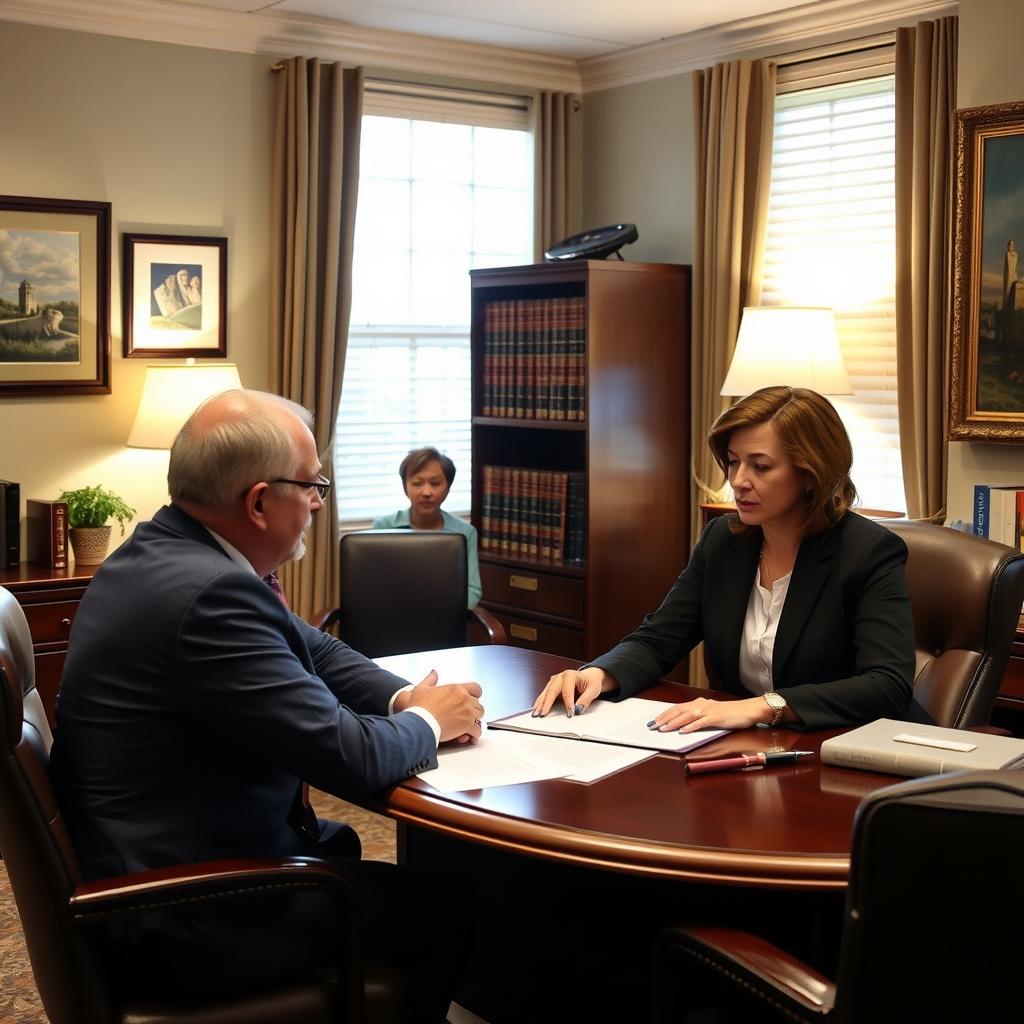
Visitation Modification Lawyer Chesterfield County
You need a Visitation Modification Lawyer Chesterfield County to change a court-ordered parenting schedule. Virginia law requires proving a material change in circumstances affecting the child’s welfare. The Chesterfield County Juvenile and Domestic Relations District Court handles these petitions. Law Offices Of SRIS, P.C. —Advocacy Without Borders. Our attorneys know the local judges and procedural rules. (Confirmed by SRIS, P.C.)
Statutory Definition of Visitation Modification in Virginia
Virginia Code § 20-108 modifies custody and visitation orders based on a material change in circumstances affecting the child’s welfare. The statute does not specify a fixed penalty but grants judges broad discretion to alter parenting arrangements. A judge can change primary custody, visitation schedules, and other terms. The legal standard is the child’s best interests. This is the core statute for any visitation modification lawyer Chesterfield County uses.
The petitioning parent bears the burden of proof. You must show a substantial change since the last order. Minor disagreements are insufficient grounds for court intervention. The change must impact the child’s life significantly. Courts look at factors like parental relocation, job changes, or school performance. Evidence of parental alienation or neglect can also support modification. A skilled attorney presents this evidence clearly.
What Constitutes a Material Change in Circumstances?
A material change is a significant shift affecting the child’s well-being. Common examples include a parent moving out of the school district. A parent’s new work schedule that conflicts with visitation is another. Evidence of a parent’s substance abuse or criminal activity qualifies. A child’s expressed preference, if mature enough, can be considered. The change must not have been reasonably anticipated when the last order was entered. Proving this element is the first major hurdle.
How Does Virginia Law Define the Child’s Best Interests?
Virginia Code § 20-124.3 lists ten specific best interest factors. The court considers the child’s age and physical and mental condition. The relationship between the child and each parent is evaluated. Each parent’s ability to meet the child’s needs is assessed. The court reviews the child’s role in home, school, and community. The parents’ willingness to support a close relationship with the other parent matters. Any history of family abuse is a critical factor. A judge weighs all these elements together.
Can Visitation Be Modified Without Going to Court?
Parents can agree to modify visitation without a court order. This requires a written and signed agreement between both parties. However, an informal agreement is not enforceable by the court. To make it legally binding, you must file a consent order with the Chesterfield County court. The judge will review the agreement to ensure it serves the child’s best interests. If approved, it becomes a new court order. An attorney drafts agreements to avoid future disputes. Learn more about Virginia legal services.
The Insider Procedural Edge in Chesterfield County
File your petition at the Chesterfield County Juvenile and Domestic Relations District Court at 7900 Courthouse Road. This court has exclusive original jurisdiction over family law matters involving minors. The clerk’s Location is located on the first floor. Procedural specifics for Chesterfield County are reviewed during a Consultation by appointment at our Chesterfield County Location. The filing fee for a motion to modify is set by Virginia law. You must serve the other parent with the petition and a court date.
Expect the process to take several months from filing to hearing. The court docket in Chesterfield County is often crowded. Initial hearings may be set for status conferences or mediation. Local rules require parents to attempt mediation before a contested hearing. The court’s Family Mediation Program is often the first step. If mediation fails, the case proceeds to an evidentiary hearing. Knowing this local procedure is essential for efficiency.
What is the Typical Timeline for a Modification Case?
A direct agreed modification can take 60 to 90 days. A contested case typically lasts four to eight months. The timeline starts with filing and serving the petition. A mediation session is usually scheduled within 30 to 45 days. If unresolved, a final hearing date is set several months out. Delays occur if continuances are requested or discovery is needed. Having an attorney who prepares the case thoroughly from day one avoids unnecessary delays.
What Are the Local Court’s Preferences for Parenting Plans?
Chesterfield County judges prefer detailed, specific parenting plans. Vague schedules like “reasonable visitation” are discouraged. The plan should outline holiday, summer, and school year schedules. It should include pick-up and drop-off locations and procedures. Provisions for communication between visits are important. The plan must address how future disputes will be resolved. Judges want plans that minimize conflict and provide stability for the child. We draft plans that meet these local expectations. Learn more about criminal defense representation.
How Does Mediation Work in Chesterfield County?
The court often orders parents into mediation before a hearing. Mediation is conducted by a neutral third-party facilitator. The goal is to reach a voluntary agreement without a judge’s order. Sessions are confidential and cannot be used as evidence later. If an agreement is reached, it is drafted into a consent order. If mediation fails, the mediator reports only that no agreement was reached. An attorney advises you on strategy and realistic goals before mediation.
Penalties & Defense Strategies for Modification Cases
The most common outcome is a revised court order dictating new visitation terms. The court has wide authority to craft a solution it deems fit. This can include changing the primary physical custodian. The judge can alter the visitation schedule significantly. The court can impose specific conditions on visitation. In extreme cases, supervised visitation may be ordered. The table below outlines potential judicial actions.
| Judicial Action | Typical Application | Notes |
|---|---|---|
| Revised Visitation Schedule | Alters days, times, holidays, summer. | Most common result of a successful petition. |
| Change in Primary Custody | Awards primary physical custody to the other parent. | Requires strong evidence of detriment with current custodian. |
| Implementation of Supervised Visitation | Visits occur with a neutral third party present. | Ordered for concerns about safety, substance abuse, or alienation. |
| Specific Conditions Ordered | Drug testing, parenting classes, no overnight guests. | Used to address specific risks while preserving parent-child contact. |
| Denial of Petition | Current order remains in full effect. | Occurs if material change is not proven. |
[Insider Insight] Chesterfield County prosecutors in child support cases often review custody orders. A parent seeking to modify support may face a counter-petition to modify visitation. Local judges are skeptical of modification petitions filed immediately after a support enforcement action. They view timing as evidence of retaliatory motive rather than child-focused concern. Your attorney must frame the petition around the child’s needs, not parental conflict.
What Are the Risks of Losing a Modification Case?
Losing the case means the existing order remains binding. The court may order the petitioning parent to pay the other side’s attorney’s fees. A failed petition can damage your credibility with the court for future filings. It can escalate conflict between co-parents. The child may experience stress from the litigation process. A strong initial case assessment by your lawyer is critical to avoid these risks. We only advise filing when the evidence clearly supports a material change. Learn more about DUI defense services.
How Can a Parent Defend Against a Modification Petition?
The defense strategy is to show no material change exists. Argue that any change is minor or was anticipated. Demonstrate that the current arrangement is working well for the child. Provide evidence of the child’s stability and success. Highlight the petitioning parent’s motive as punitive or obstructive. File a counter-petition if you have grounds for a different change. An effective defense requires organized documentation and witness testimony. We gather this evidence proactively.
What if a Parent Denies Court-Ordered Visitation?
Denying court-ordered visitation is a violation of the order. The denied parent can file a Motion for Rule to Show Cause. This is a contempt proceeding. The violating parent must explain why they should not be held in contempt. Penalties can include makeup visitation, attorney’s fees, or even jail time. However, courts are reluctant to jail a parent if it harms the child. The primary remedy is to enforce the existing order, not necessarily modify it. These are separate legal actions.
Why Hire SRIS, P.C. for Your Chesterfield County Case
Our lead family law attorney has over 15 years of Virginia court experience. This attorney has handled hundreds of custody and visitation modification cases. Specific credentials and case result counts for Chesterfield County are reviewed during a Consultation by appointment. Our team understands the nuances of Chesterfield County’s court system. We know the judges, commissioners, and local rules of procedure. This local knowledge provides a significant advantage.
SRIS, P.C. assigns a dedicated attorney and paralegal to each case. We prepare every case as if it is going to a contested trial. This preparation often leads to favorable settlements. We focus on clear, factual arguments that align with the child’s best interests. Our firm has resources for investigations and experienced consultations if needed. We communicate directly with you, without layers of bureaucracy. You get strategic advice from an experienced lawyer. Learn more about our experienced legal team.
Localized FAQs for Chesterfield County Parents
How long does a visitation modification take in Chesterfield County?
A contested modification case typically takes four to eight months. An agreed consent order can be finalized in about 60 to 90 days. The court’s mediation requirement and docket schedule affect the timeline.
Can I modify visitation if the other parent moves away?
A parental relocation is often a material change in circumstances. You can petition to modify the visitation schedule. The new plan must address travel, holidays, and long-distance communication.
What evidence do I need to change a visitation order?
You need documentation of the changed circumstance. This includes school records, medical reports, or communication logs. Witness statements about the child’s welfare are also valuable evidence.
How much does it cost to hire a lawyer for this?
Legal fees depend on case complexity and whether it is contested. We discuss fee structures during your initial Consultation by appointment. Costs include filing fees and potential mediation expenses.
Can a child decide which parent to live with in Virginia?
A child’s preference is one factor a judge may consider. The child’s age and maturity determine the weight given. A judge is not bound by a child’s wish but will listen to reasoned preferences.
Proximity, CTA & Disclaimer
Our Chesterfield County Location serves clients throughout the region. Procedural specifics for Chesterfield County are reviewed during a Consultation by appointment at our Location. If you need to change a parenting time order, you need a lawyer who knows the local court. Contact a Visitation Modification Lawyer Chesterfield County trusts. Consultation by appointment. Call 888-437-7747. 24/7.
Law Offices Of SRIS, P.C. —Advocacy Without Borders.
Past results do not predict future outcomes.