
Note: This article is confirmed by Law Offices Of SRIS, P.C.
WRITTEN BY: Mr. Sris
Since 1997, Mr. Sris has led the firm, focusing on the most challenging criminal and family law cases… His background in accounting and information management aids in financial and technology-related cases… Involved in significant legislative changes in Virginia.
Insight: My focus since founding the firm in 1997 has always been directed towards personally handling the most challenging and involved criminal and family law matters our clients face.
Insight: I find my background in accounting and information management provides a unique advantage when handling the intricate financial and technological aspects inherent in many modern legal cases.
Insight: As someone deeply involved in the community, I believe it’s important to not only practice law but also to actively participate in shaping it, which is why I dedicated effort towards amending Virginia Code § 20-107.3 and achieving state recognition for cultural milestones.
Family Law Lawyer Virginia
What is Family Law in Virginia
Family law represents the legal framework governing family relationships and domestic matters. In Virginia, this area of law encompasses divorce proceedings, child custody determinations, spousal support arrangements, and division of marital property. The Virginia Code contains specific provisions that dictate how these matters should be handled in court proceedings.
Virginia family law operates under both statutory requirements and established case law precedents. The legal process begins with understanding the specific circumstances of each case. Different types of divorce exist in Virginia, including no-fault and fault-based options. Child custody decisions focus on the best interests of the child, considering factors like parental relationships and living arrangements.
Property division follows equitable distribution principles in Virginia. This means marital property gets divided fairly, though not necessarily equally. The court considers various factors including each spouse’s contributions, economic circumstances, and the duration of the marriage. Support arrangements, whether spousal or child support, follow established guidelines while allowing for case-specific adjustments.
Legal representation helps ensure proper procedures get followed throughout the process. Attorneys prepare necessary documentation, represent clients in court hearings, and negotiate settlements when possible. They also help clients understand their rights and obligations under Virginia law.
Reality Check: Family law proceedings can be emotionally difficult. Having clear legal guidance helps manage expectations and reduce uncertainty during this challenging time.
How to Handle Family Law Matters in Virginia
Addressing family law matters in Virginia requires understanding the legal process and available options. The first step involves gathering relevant documentation, including financial records, marriage certificates, and any existing agreements. This information helps establish the facts of your situation and provides necessary evidence for legal proceedings.
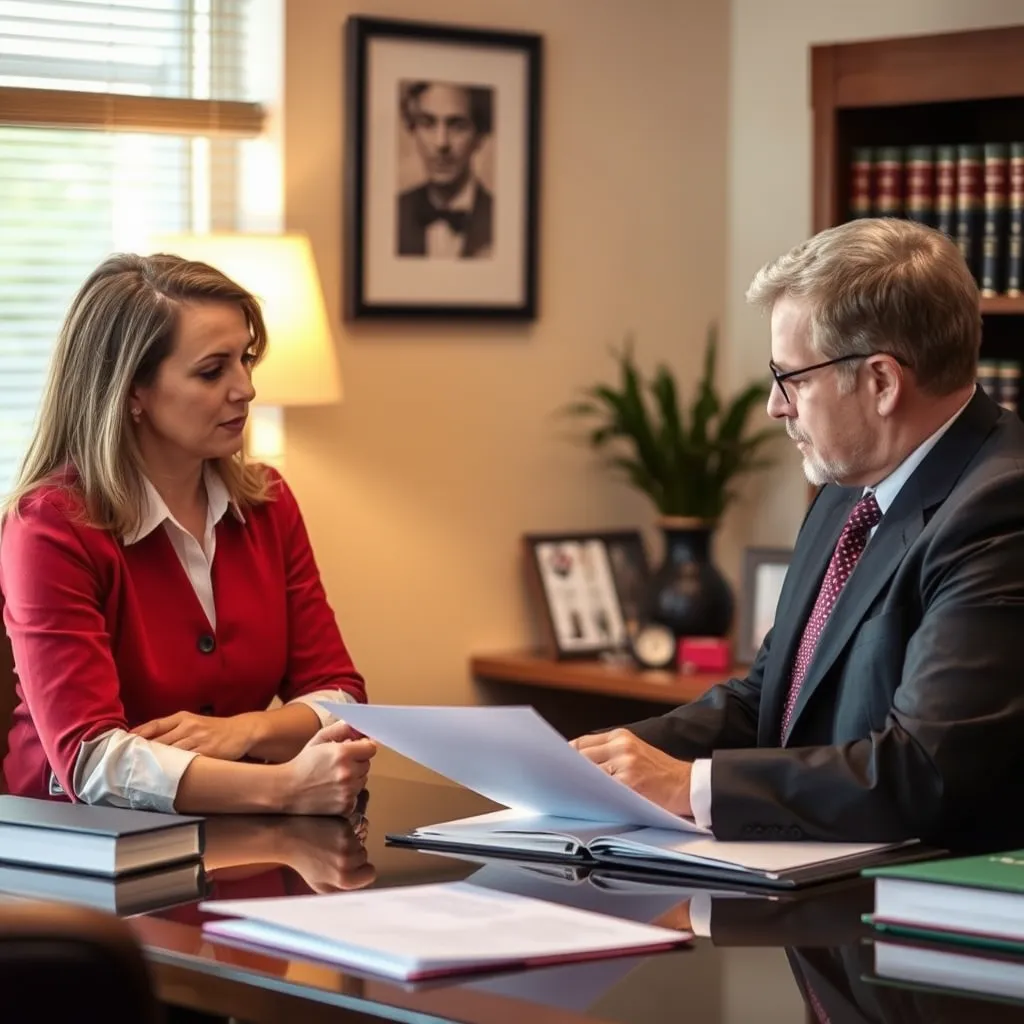
Consultation with legal counsel represents an important early step. During this meeting, you’ll discuss your specific circumstances and learn about Virginia’s applicable laws. The attorney will explain different approaches to resolving your matter, whether through negotiation, mediation, or litigation. They’ll also outline potential timelines and costs associated with each option.
Document preparation follows the initial consultation. Your attorney will help draft necessary legal papers, including petitions, responses, and supporting documents. These filings must comply with Virginia’s specific formatting and content requirements. Proper documentation ensures your case proceeds through the court system correctly.
Court proceedings may involve hearings, conferences, and potentially a trial. Your attorney will represent you during these events, presenting evidence and legal arguments on your behalf. They’ll also handle communications with opposing counsel and the court, working to protect your interests throughout the process.
Resolution can occur through settlement agreements or court decisions. Settlement negotiations often provide more control over outcomes and can reduce costs and time. When settlement isn’t possible, the court will make determinations based on Virginia law and presented evidence.
Straight Talk: The legal process takes time and requires patience. Working with experienced counsel helps ensure proper procedures get followed at each stage.
Can I Manage Family Law Issues Without an Attorney
Virginia law allows individuals to represent themselves in family court proceedings, known as proceeding pro se. This option exists for those who choose to manage their own cases without attorney representation. However, family law matters involve specific legal requirements and procedures that can present challenges for those without legal training.
The Virginia court system operates under established rules of procedure and evidence. These rules govern how cases get filed, what documentation gets submitted, and how hearings get conducted. Missing deadlines or failing to follow proper procedures can negatively affect case outcomes. Court staff can provide general information but cannot offer legal advice about specific situations.
Document preparation requires understanding legal terminology and formatting requirements. Family law forms must include specific information and follow particular structures. Incomplete or incorrect filings can delay proceedings or result in unfavorable rulings. Financial disclosures and support calculations involve mathematical formulas established by Virginia guidelines.
Court appearances involve presenting evidence and legal arguments effectively. Judges expect parties to understand relevant laws and procedures. Without proper preparation, individuals may struggle to present their cases clearly or respond to opposing arguments. Settlement negotiations require understanding legal positions and potential outcomes.
Legal representation provides knowledge of Virginia’s family law statutes and case precedents. Attorneys understand how courts typically interpret and apply laws in similar situations. They can anticipate potential issues and develop strategies to address them effectively.
Blunt Truth: Family law involves technical legal requirements. Mistakes in procedure or documentation can have lasting consequences for your case outcomes.
Why Hire Legal Help for Family Law Matters
Professional legal representation offers several advantages when addressing family law matters in Virginia. Attorneys bring knowledge of Virginia’s specific statutes, court rules, and legal precedents. This understanding helps ensure proper procedures get followed and legal arguments get presented effectively. Family law involves emotional situations where objective legal guidance can provide clarity and direction.
Legal counsel helps identify relevant issues and develop appropriate strategies. They analyze your specific circumstances against Virginia’s legal framework to determine the best approach. This might involve negotiation, mediation, or litigation depending on the situation. Attorneys can anticipate potential challenges and prepare responses in advance.
Document preparation and filing represent important aspects of legal representation. Attorneys ensure all necessary paperwork gets completed correctly and submitted on time. They handle communications with the court and opposing parties, reducing administrative burdens on clients. Proper documentation helps establish facts and support legal positions.
Court representation involves presenting evidence and arguments effectively. Attorneys understand courtroom procedures and how to communicate with judges and other legal professionals. They can object to improper evidence or arguments and ensure your position gets heard clearly. Settlement negotiations benefit from legal knowledge of typical outcomes and negotiation strategies.
Long-term considerations often factor into family law decisions. Attorneys can help structure agreements that account for future changes in circumstances. They understand how court orders might affect taxes, estate planning, and other legal matters beyond the immediate case.
Reality Check: Family law decisions can have lasting effects on your life and relationships. Professional guidance helps ensure informed choices get made during this important process.
FAQ:
What does a family law lawyer do in Virginia?
A family law lawyer in Virginia handles legal matters like divorce, child custody, and support. They help with paperwork, court appearances, and negotiations.
How long does divorce take in Virginia?
Divorce timelines vary in Virginia. Uncontested cases may resolve faster than contested ones requiring court decisions.
What factors affect child custody in Virginia?
Virginia courts consider the child’s best interests. Factors include parental relationships, home environments, and child’s needs.
How is property divided in Virginia divorce?
Virginia follows equitable distribution principles. Marital property gets divided fairly based on various factors considered by the court.
What is spousal support in Virginia?
Spousal support involves financial payments between spouses. Virginia has guidelines but allows for case-specific adjustments.
Can custody arrangements get modified later?
Yes, custody arrangements can get modified in Virginia. Changes require showing changed circumstances affecting the child’s best interests.
What documents do I need for family law matters?
Important documents include financial records, marriage certificates, and existing agreements. Your attorney will specify what’s needed.
How much do family law services cost?
Costs vary based on case challenge and resolution method. Many attorneys offer initial consultations to discuss fees.
What is mediation in family law?
Mediation involves neutral third-party assistance to reach agreements. It can be an alternative to court proceedings in some cases.
Can grandparents get visitation rights in Virginia?
Virginia law allows grandparents to seek visitation under certain circumstances. Specific requirements must get met for court consideration.
What happens if we agree on everything?
When parties agree, they can submit settlement agreements to the court. The judge reviews and approves if terms meet legal requirements.
How do I enforce court orders in Virginia?
Court orders can get enforced through legal procedures. This may involve filing motions with the court that issued the original order.
Past results do not predict future outcomes