
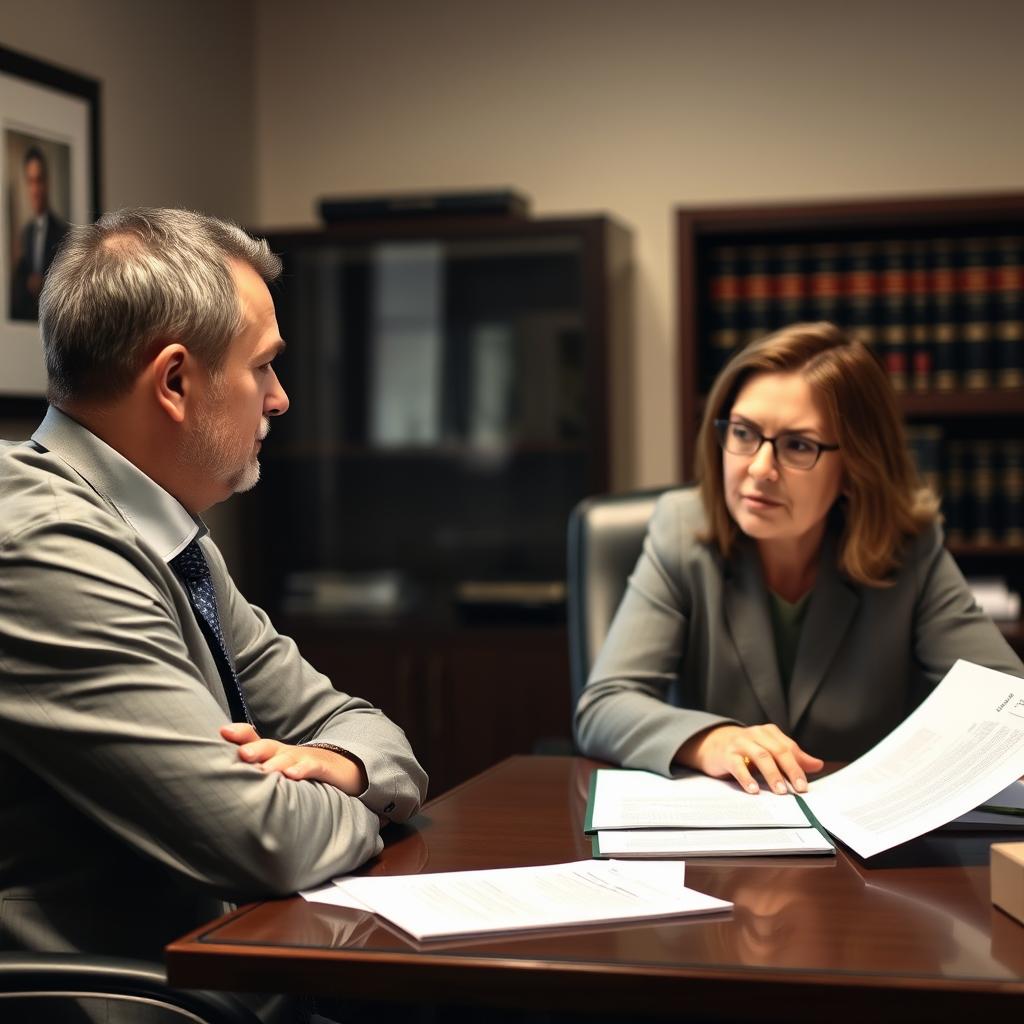
Military Divorce Lawyer James City County, VA
If you are a service member or military spouse in James City County, Virginia, navigating a divorce that involves the unique demands of military life requires counsel who understands both family law and the laws that protect those who serve. Law Offices Of SRIS, P.C. Concentrates its family law practice on the intersection of military service and divorce, representing clients throughout James City County—including Williamsburg, Norge, Toano, and Lightfoot—from the firm’s Richmond location. Mr. Sris, Owner and Founder, and his Of Counsel bring over 120 years of combined legal experience and 4,739+ documented firm-wide results to military divorce matters. Results may vary. They appear regularly before the James City County Circuit Court and the James City County Juvenile & Domestic Relations District Court, where divorce, equitable distribution, custody, and support issues are heard. Reach Law Offices Of SRIS, P.C. at (888) 437-7747 to request a consultation. Law Offices Of SRIS, P.C. – Advocacy Without Borders.
What a Military Divorce Involves in James City County, Virginia
James City County sits in Virginia’s Ninth Judicial District and is home to a significant military-affiliated population, given its proximity to installations such as Joint Base Langley-Eustis, Naval Station Norfolk, and other Hampton Roads commands. A divorce involving one or both spouses who are active-duty, reserve, or retired service members is governed by the same Virginia Code Title 20 framework that applies to all divorces, but several federal statutes and local court practices add layers of procedural and substantive complexity. The James City County Circuit Court, located at 5201 Monticello Avenue, Suite 4, in Williamsburg, has exclusive original jurisdiction over the dissolution of the marriage, while the Juvenile & Domestic Relations District Court handles related custody, visitation, and support disputes that arise while the divorce is pending.
Virginia is an equitable distribution state under Va. Code § 20‑107.3, meaning that marital property is divided fairly—though not necessarily equally—based on the eleven statutory factors the court weighs. When a military career is one of the largest marital assets, the division of a military pension under the Uniformed Services Former Spouses’ Protection Act (USFSPA) and the treatment of survivorship benefits, including the Survivor Benefit Plan (SBP), become critical. Service members may also benefit from the Servicemembers Civil Relief Act (SCRA), 50 U.S.C. § 3901 et seq., which can stay court proceedings during active duty. Mr. Sris testified before the Virginia House Courts of Justice Committee in support of 2019 HB 635 (chief patron Del. David Bulova), a bill that revised Va. Code § 20‑107.3(g) concerning the direct payment of retirement benefits—a provision that directly affects how military pensions are divided in Virginia divorce proceedings.
How Mr. Sris and His Of Counsel Handle Military Divorce Cases
Military divorces present challenges that civilian divorces rarely do: jurisdictional issues when a service member is stationed in Virginia but claims legal residence elsewhere, calculation of a twenty-year retirement that has not yet vested, and custody schedules that must account for deployment cycles, temporary duty assignments (TDYs), and the possibility of a permanent change of station (PCS). Mr. Sris and his Of Counsel approach every military divorce by first identifying which assets are marital under Virginia law, then working with qualified financial professionals—when the case warrants—to value the marital share of a military pension. They handle both contested and uncontested divorces, and they help clients structure separation agreements that incorporate the special protections the SCRA affords to service members who cannot appear in court because of military duties.
The team also addresses issues unique to military families, such as whether a spouse remains entitled to continued military benefits—including medical care and base access—after the divorce, and how child support is calculated when a service member’s income includes non-taxable allowances like Basic Allowance for Housing (BAH) and Basic Allowance for Subsistence (BAS). Because the James City County Circuit Court requires at least one corroborating witness for an uncontested divorce hearing, Mr. Sris and his Of Counsel prepare clients thoroughly for that testimony and handle all procedural requirements to keep the case moving forward, including matters that may need to be resolved on a pendente lite basis while the divorce is pending.
About Mr. Sris and His Of Counsel Team
Mr. Sris, Owner and Founder of Law Offices Of SRIS, P.C., has practiced family law since founding the firm in 1997. A former prosecutor, he brings an understanding of courtroom dynamics to every case, and his legislative testimony concerning the equitable distribution of retirement assets gives him a particularly informed perspective on military pension division. Mr. Sris is admitted to practice in Virginia, Maryland, the District of Columbia, New Jersey, and New York. He leads a team of Of Counsel attorneys—non-employee professionals engaged through Excella—who collectively bring over 120 years of combined legal experience and 4,739+ documented firm-wide results. Results may vary. The team appears regularly in the courts of James City County and coordinates with the firm’s Richmond location, at 7400 Beaufont Springs Drive, Suite 300, Room 395, Richmond, VA 23225, to serve clients across the Williamsburg region.
Frequently Asked Questions
How does military service affect a divorce in James City County?
Military service introduces special rules about jurisdiction, the division of military pensions, and the ability to pause court proceedings while a service member is deployed. Virginia courts follow the USFSPA for dividing disposable retired pay, and the SCRA may allow a service member to request a stay of the case so they are not penalized for missing court dates while on active duty. In James City County, the Circuit Court handles the divorce itself, while custody and support issues can be addressed in the Juvenile & Domestic Relations District Court.
Can my military pension be divided in a Virginia divorce?
Yes, under the Uniformed Services Former Spouses’ Protection Act, a Virginia court may treat a service member’s military retired pay as marital property subject to equitable distribution. The court will determine the marital share—typically based on the years of marriage that overlap with the service member’s creditable service years—and can award a portion directly to the former spouse under certain conditions. The 2019 revision to Va. Code § 20‑107.3(g) refined how such retirement payments are structured, a change that was informed by testimony Mr. Sris provided to the House Courts of Justice Committee.
What custody issues arise when a military parent deploys?
Deployment can trigger specific custody and visitation concerns, but Virginia law requires that a parent’s military obligations not be held against them in a custody determination simply because they serve. A family care plan, often required by a service member’s command, can address temporary care arrangements. Mr. Sris and his Of Counsel work with parents to craft custody orders that accommodate deployment schedules, temporary duty assignments, and the possibility of a permanent change of station, all while keeping the child’s best interests as the court’s guiding principle.
Do I need a lawyer for a military divorce in Virginia?
You are not legally required to retain an attorney to file for divorce in Virginia, but the intersection of state family law, federal military statutes, and complex financial issues makes legal guidance especially important in a military divorce. The equitable distribution of a military pension, the application of the SCRA, and the coordination of benefits through the Defense Finance and Accounting Service (DFAS) can create traps for those who navigate the process alone. For guidance on your specific situation, reach Law Offices Of SRIS, P.C. at (888) 437-7747.
How does the Servicemembers Civil Relief Act protect me during a divorce?
The SCRA provides service members the right to request a stay—or postponement—of court proceedings when their military duties materially affect their ability to appear or respond. The stay is not automatic; it must be requested and properly documented. The SCRA also offers protections against default judgments. In a James City County divorce, Mr. Sris and his Of Counsel can help service members or their spouses understand how the SCRA may apply, whether the service member is seeking a stay or the civilian spouse is trying to keep the case moving despite a deployment.
What should I bring to a consultation about a military divorce?
Bringing key financial documents and your military service records helps an attorney give you a clearer picture of the issues ahead. Useful materials include your most recent Leave and Earnings Statement (LES), information about any Thrift Savings Plan (TSP) accounts, copies of existing separation agreements or court orders, and a summary of your service history, including dates of entry and any credits toward retirement. For a consultation with Mr. Sris and his Of Counsel, contact Law Offices Of SRIS, P.C. at (888) 437-7747.
York County family law attorney · Williamsburg divorce lawyer · Fairfax County family law representation
Virginia Code · Virginia Courts
Attorney advertising. Prior results do not guarantee a similar outcome.
Case results depend on a variety of factors unique to each case.