
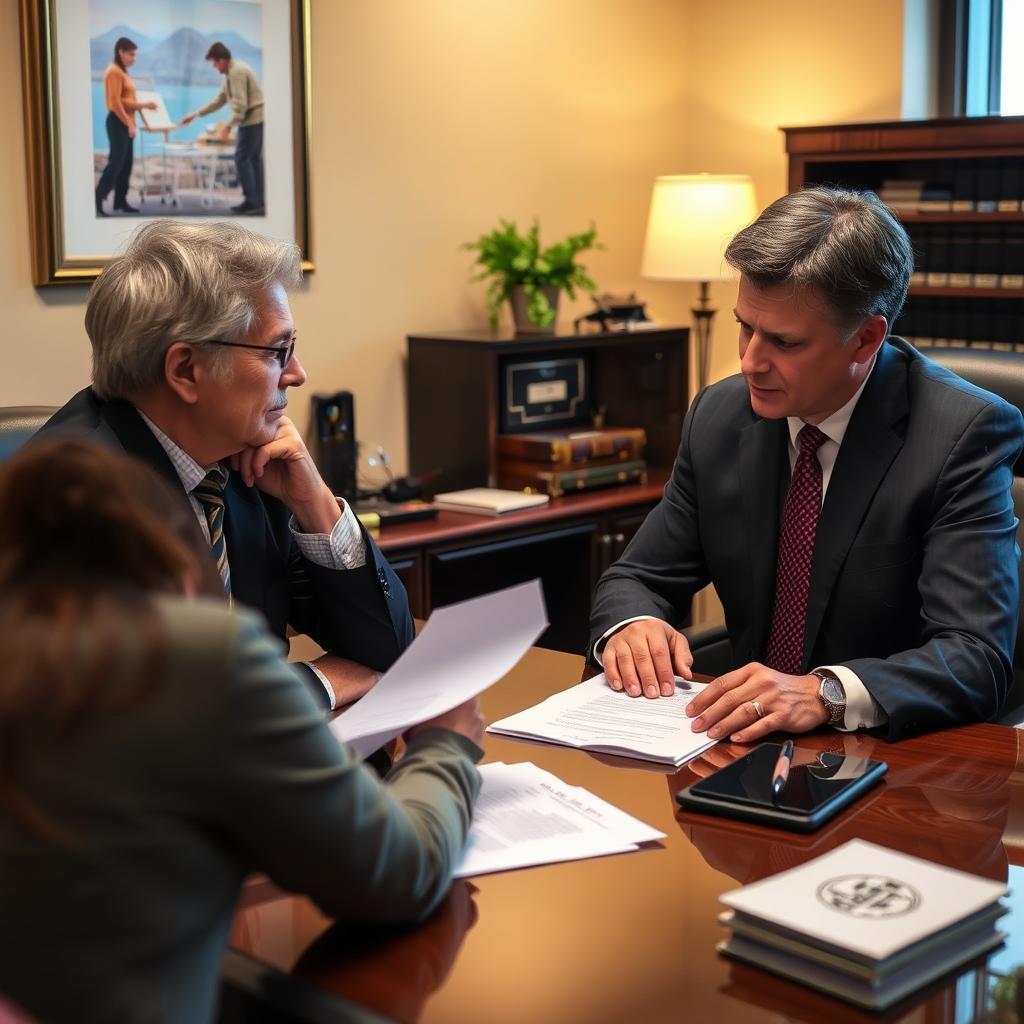
Armed Forces Divorce Lawyer Rockingham County, VA
For service members and military families in Rockingham County, the end of a marriage raises questions that civilian divorces rarely address. Pension division, deployment-related custody schedules, and the interplay between Virginia equitable distribution law and the Servicemembers Civil Relief Act all shape how an armed forces divorce unfolds. Mr. Sris, Owner and Founder of Law Offices Of SRIS, P.C., represents clients through the Family Law process in the Rockingham County Juvenile and Domestic Relations District Court and the Rockingham County Circuit Court. Contact (888) 437-7747 to request a consultation. Law Offices Of SRIS, P.C. – Advocacy Without Borders.
What Armed Forces Divorce Means in Rockingham County, Virginia
An armed forces divorce in Rockingham County follows the same Virginia statutes that govern any dissolution of marriage—but layered on top are federal protections, pension valuation rules, and scheduling challenges unique to military life. Virginia is an equitable distribution state under Va. Code § 20-107.3, meaning the court divides marital property fairly, not necessarily equally, after considering 11 statutory factors. For a service member, marital property often includes a military pension, Thrift Savings Plan accounts, and survivor benefit entitlements, all of which require specialized handling.
Rockingham County spans the central Shenandoah Valley, with the historic judicial complex at 53 Court Square in Harrisonburg handling all divorce and equitable distribution matters. Families also appear in the Juvenile and Domestic Relations District Court for custody, visitation, and support issues before a final decree is entered. The county’s location along the I-81 corridor, presence of James Madison University, and proximity to major military installations make it a common jurisdiction for active-duty and reserve personnel stationed elsewhere who meet Virginia’s six-month residency requirement under Va. Code § 20-97.
How Mr. Sris and His Of Counsel Handle Armed Forces Divorce Cases
Mr. Sris and his Of Counsel begin by identifying which court will hear each component of the matter—the Circuit Court for dissolution and property division, and the Juvenile and Domestic Relations District Court for support and parenting arrangements. They evaluate whether the Servicemembers Civil Relief Act stays any proceedings while a spouse is on active duty and work to keep the case moving forward without violating that protection. A property settlement agreement signed by both parties, which can address military retirement division through a qualified domestic relations order, often resolves the matter without a contested trial.
Virginia procedural requirements apply fully to armed forces divorce: a corroborating witness is needed at an uncontested hearing, and no-fault divorce is available after either one year of separation or six months of separation if the couple has no minor children and has entered into a written separation agreement. Fault grounds such as adultery—which carries no waiting period—may also be alleged. Mr. Sris and his Of Counsel navigate these options while accounting for the practical realities of deployment, permanent change of station moves, and out-of-state service.
About Mr. Sris and His Of Counsel Team
Mr. Sris, Owner and Founder of Law Offices Of SRIS, P.C., has been practicing since 1997. A former prosecutor, he brings a trial-tested perspective to every Family Law matter he handles. Mr. Sris is admitted in Virginia, Maryland, the District of Columbia, New Jersey, and New York, and he has testified before the Virginia House Courts of Justice Committee in support of 2019 HB 635 (chief patron Del. David Bulova).
Mr. Sris and his Of Counsel bring over 120 years of combined legal experience. Results may vary. They have documented 4,739+ case results across all practice areas since 1997. For armed forces families, they draw on a thorough understanding of how Virginia courts handle military divorce issues and on a network of financial professionals who value military retirement benefits accurately.
Frequently Asked Questions
How does military service affect divorce in Virginia?
Military service affects divorce by triggering federal protections, pension-division rules, and scheduling challenges that overlay Virginia’s standard divorce process. The Servicemembers Civil Relief Act can stay proceedings for active-duty members who cannot appear in court. Additionally, the Uniformed Services Former Spouses’ Protection Act governs how military retirement pay is divided as marital property. Rockingham County Circuit Court issues final decrees that incorporate these federal considerations and ensure the decree is enforceable against the Defense Finance and Accounting Service.
What are the grounds for armed forces divorce in Virginia?
Virginia offers no-fault and fault grounds for divorce, and the choice can affect property division and the waiting period before a decree is entered. No-fault grounds require a one-year separation, or six months if there are no minor children and the couple has signed a separation agreement. Fault grounds—such as adultery, cruelty, or desertion—can be pursued without any waiting period. Adultery, under Va. Code § 20-91(1), can also bar a spouse from receiving spousal support. Mr. Sris and his Of Counsel help clients assess which ground aligns with their circumstances.
Can I file for divorce while my spouse is deployed?
Yes, a divorce can be filed while a spouse is deployed, but procedural protections under the Servicemembers Civil Relief Act may delay the timeline. The act allows a service member to request a stay of proceedings if military duties materially affect their ability to respond. The court must be satisfied that the service member received proper notice and an opportunity to be heard. Mr. Sris and his Of Counsel structure filings to comply with both Virginia service-of-process rules and these federal safeguards.
How does equitable distribution handle a military pension in Rockingham County?
The military pension is treated as marital property under Virginia’s equitable distribution statute, and the court determines a fair division using the factors listed in Va. Code § 20-107.3. Typically, the marital share of the pension is the portion earned during the marriage. A qualified domestic relations order or, for military retirement, a court order acceptable to the Defense Finance and Accounting Service is needed to divide the benefit directly. Rockingham County Circuit Court handles all property division, and Mr. Sris and his Of Counsel work with financial attorneys to value military retirement assets accurately.
How long does an armed forces divorce take in Rockingham County?
An uncontested armed forces divorce with a signed separation agreement can take 2 to 4 months from filing to final decree; a contested case normally takes 9 to 18 months. Complex equitable distribution, especially when a military pension or other substantial assets are involved, may extend the timeline depending on the court’s calendar and whether the Servicemembers Civil Relief Act imposes any stay. Pendente lite hearings for temporary support or custody are typically set within 21 to 60 days of a motion. These timelines reflect the general experience at the Rockingham County Juvenile and Domestic Relations District Court and Circuit Court.
Do I need a lawyer for an armed forces divorce in Rockingham County?
Virginia does not require a lawyer to file for divorce, but the intersection of federal military rules and state equitable distribution law makes legal guidance essential for protecting your long-term interests. Mistakes in valuing a military pension, mishandling the Servicemembers Civil Relief Act, or overlooking jurisdictional requirements under Va. Code § 20-97 can lead to an unenforceable decree or an unfair property division. Mr. Sris and his Of Counsel handle every stage of the armed forces divorce process in Rockingham County and protect the rights of service members and their spouses.
Legal representation across the Shenandoah Valley:
Clarke County ·
Shenandoah County ·
Frederick County ·
Warren County ·
Augusta County
Virginia primary sources:
Virginia Code Title 20 (Domestic Relations)
Virginia Circuit Courts
Virginia State Bar
Attorney advertising. Prior results do not guarantee a similar outcome. Results may vary.
Case results depend on a variety of factors unique to each case.