
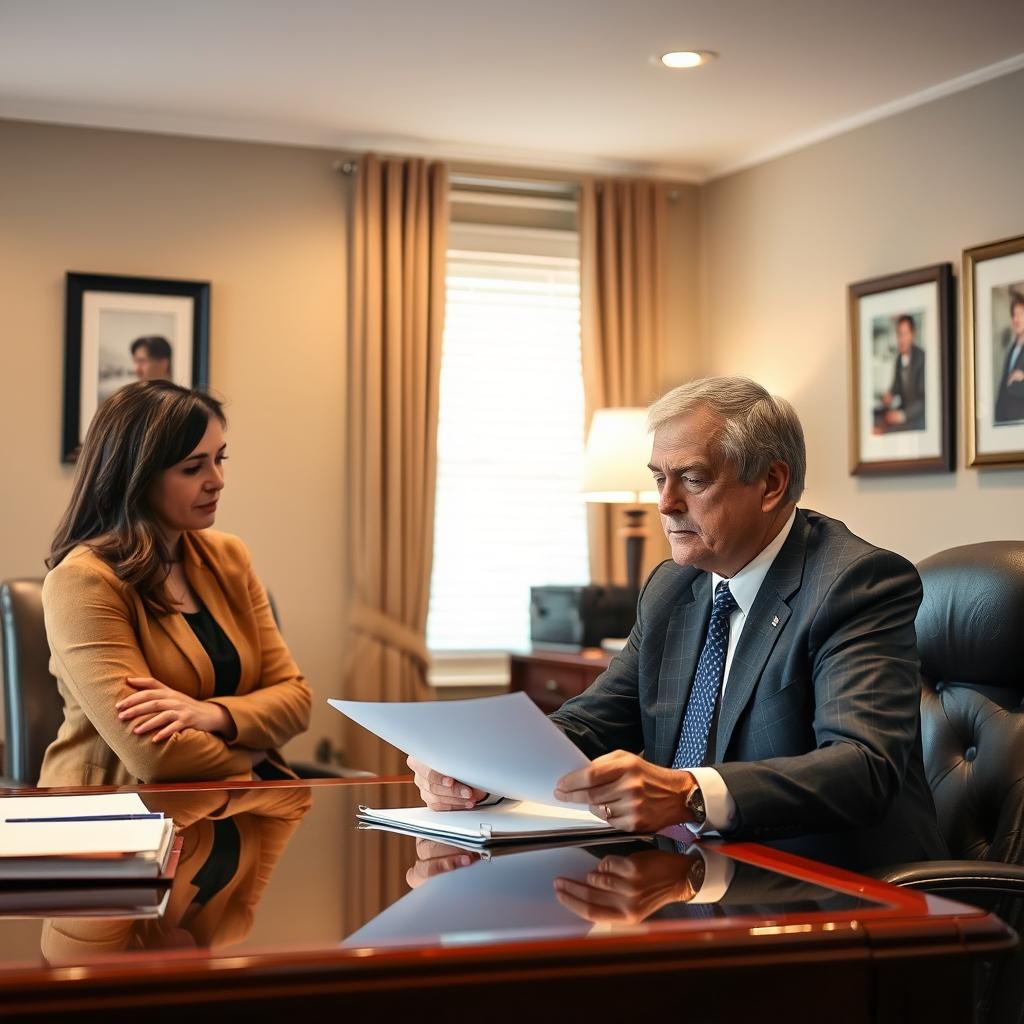
Legal Separation Lawyer Prince George County, VA
You and your spouse have reached a point where living apart seems best, but you aren’t sure what that means under Virginia law. Maybe you are in Prince George County, just south of Richmond along I‑295, and you want to protect your finances, your parenting time, and your future before filing for divorce. A thoughtfully prepared separation agreement can give both of you clear ground rules about property, support, and custody while you live separately. Law Offices Of SRIS, P.C. works with individuals throughout Prince George County, Hopewell, and the surrounding communities to draft enforceable separation agreements and handle related family law matters. Reach our firm at (888) 437‑7747 to schedule a consultation. Law Offices Of SRIS, P.C. – Advocacy Without Borders.
What Legal Separation Means in Prince George County
Prince George County General District Court is currently presided over by Hon. Thomas Stark IV. Court hours: Mon‑Fri 8:30AM‑4:30PM. Counsel appearing on family law matters should plan filings accordingly.
Virginia does not have a formal court proceeding called “legal separation.” Instead, couples who decide to live apart may enter into a written separation agreement that addresses property division, spousal support, child custody, visitation, and child support. That agreement can be filed with the court later as part of an uncontested divorce. Prince George County matters involving separation agreements and related family law issues are ultimately heard in the Prince George County Circuit Court for divorce and equitable distribution, while standalone custody, support, and protective orders are handled in the Prince George County Juvenile and Domestic Relations District Court. Both courts are located at 6601 Courts Drive, Prince George, VA 23875.
Under Virginia Code § 20‑91(9)(a), spouses may obtain a no‑fault divorce after living separate and apart continuously for one year, or for six months if no minor children are involved and the parties have a signed separation agreement. The separation must be physical and accompanied by the intent that the separation be permanent. A well‑drafted agreement helps both spouses avoid disputes and clarifies financial responsibilities during the separation period. Prince George County residents often work with an attorney to draft an agreement that can be presented to the Circuit Court when the divorce is sought.
How Mr. Sris and His Of Counsel Handle Separation Matters
When a client comes to Law Offices Of SRIS, P.C. Seeking help with a separation, the first step is a confidential consultation to understand the family’s situation and goals. Mr. Sris, Owner and Founder of the firm, and his Of Counsel team review the couple’s assets, debts, income, and parenting dynamics. They then draft or negotiate a separation agreement that reflects the parties’ understanding while protecting the client’s legal position. If a spouse is uncooperative, the firm advises on strategies to document the separation and, when necessary, litigates issues in the Prince George County courts.
The separation process in Prince George County is shaped by the same statutory framework that governs divorce elsewhere in Virginia: equitable distribution of marital property under Va. Code § 20‑107.3, spousal support factors under § 20‑107.1, child custody best‑interest factors under § 20‑124.3, and child support guidelines under § 20‑108.1. The firm’s attorneys are familiar with how the Prince George County Circuit Court and Juvenile and Domestic Relations District Court apply these statutes and can help clients anticipate likely outcomes based on the court’s practices.
What to Expect During a Separation in Prince George County
Separation is not just moving to a different address. Under Virginia law, the parties must genuinely view the separation as permanent. A separation agreement clarifies when physical separation began, how household bills and debts are handled, who stays in the family home, and how parenting time is shared. Once the agreement is signed and notarized, both parties must comply with its terms. If a dispute arises, the agreement can be enforced in the Prince George County Circuit Court.
If the couple later decides to divorce, the signed separation agreement serves as the foundation for an uncontested divorce filing. The Circuit Court will review the agreement to ensure it is fair and was entered into voluntarily. The process typically involves filing a Complaint for divorce, presenting the separation agreement and a corroborating witness (often a family member or friend who can testify to the separation) at a brief hearing. The court then enters a final decree incorporating the agreement. Contested matters concerning custody, support, or property go through additional hearings and may take longer, depending on the court’s calendar.
Consequences of Not Having a Separation Agreement
Couples who separate without a written agreement risk confusion and conflict. For example, without a clear designation of marital versus separate property, a spouse who incurs debt during separation could expose the other spouse to liability. Without a written custody schedule, conflicts over parenting time can escalate. A separation agreement also locks in the date of separation, which matters for equitable distribution and for calculating the length of marriage. The Prince George County courts will look to the date of separation when dividing retirement accounts, business interests, and other assets. Mr. Sris and his Of Counsel help clients avoid these pitfalls by creating agreements tailored to each family’s circumstances.
About Mr. Sris and His Of Counsel Team
Mr. Sris is Owner and Founder of Law Offices Of SRIS, P.C. and has been practicing since 1997. A former prosecutor, he is admitted in Virginia, Maryland, the District of Columbia, New Jersey, and New York. His legislative involvement includes testifying before the Virginia House Courts of Justice Committee in support of 2019 HB 635 (chief patron Del. David Bulova). Mr. Sris and his Of Counsel bring over 120 years of combined legal experience to family law matters, with over 4,739+ documented firm-wide results. Results may vary.
Frequently Asked Questions
Is Virginia a community property state?
No. Virginia is an equitable distribution state, meaning marital property is divided fairly but not necessarily 50/50. The court considers 11 factors under Va. Code § 20‑107.3. Separate property—assets owned before marriage, inheritances, and gifts—stays with the owning spouse. The Prince George County Circuit Court handles property division in divorce. If you have questions about what constitutes marital property, an attorney can review your specific assets.
How long does a divorce take in Prince George County, Virginia?
Uncontested divorces in Virginia generally resolve within two to six months after filing, depending on mandatory separation periods and the court’s calendar. Contested divorces involving custody, support, or property disputes routinely take longer. For an uncontested divorce with a signed separation agreement and no minor children, the process from filing to final decree may take two to four months. Complex equitable distribution matters can extend the timeline. Contact Law Offices Of SRIS, P.C. at (888) 437‑7747 to discuss your particular circumstances.
How much does a divorce cost in Prince George County?
Divorce costs vary widely and depend on whether the case is contested, the complexity of property division, and the need for experienced attorney valuations. Filing fees, service of process, and potential guardian ad litem expenses for custody disputes can add up. Mediation fees also apply if the parties use a mediator. For a specific estimate on your matter, call (888) 437‑7747 and ask about our consultation process.
How is child custody decided in Prince George County?
Custody in Prince George County is based on the best interests of the child under Va. Code § 20‑124.3, which lists ten factors the court must consider. These include each parent’s role in the child’s life, the child’s relationship with each parent, any history of abuse, and the child’s preference if of suitable age. The Prince George County Juvenile and Domestic Relations District Court hears standalone custody matters, while the Circuit Court addresses custody within divorce proceedings. A separation agreement can include a parenting plan, which the court may adopt if it serves the child’s best interests. India is not a signatory to the 1980 Hague Convention on Civil Aspects of International Child Abduction.
What are the grounds for divorce in Virginia?
Virginia permits both fault and no‑fault grounds for divorce. No‑fault grounds include living separate and apart for one year, or for six months if there are no minor children and the parties have a signed separation agreement. Fault grounds include adultery, cruelty, desertion for one year, and felony conviction with imprisonment for at least one year. Adultery eliminates the waiting period. All divorces are filed in the Circuit Court. For more details about the grounds that may apply in your situation, consult an experienced family law attorney.
What is a separation agreement and why is it important?
A separation agreement is a legally binding contract between spouses who have decided to live apart. It addresses property division, spousal support, child custody, visitation, and child support while the separation continues. It also establishes the date of separation, which matters for equitable distribution and the length of marriage. The agreement can be incorporated into a final divorce decree, making it enforceable by the Circuit Court. Having an attorney draft or review the agreement helps ensure it is fair and will withstand court scrutiny.
Can a separation agreement be modified later?
Modifications are possible, but they generally require mutual consent of both spouses or a court order if the agreement was incorporated into a divorce decree. If circumstances change—for example, a job loss or relocation—the parties can negotiate an addendum. For child‑related provisions, a court may modify custody and support upon a showing of a material change in circumstances. An attorney can help determine whether a modification is feasible under Virginia law.
Do I need a lawyer for a separation in Prince George County?
You are not legally required to have a lawyer to enter into a separation agreement, but handling it without legal guidance creates substantial risk. A poorly drafted agreement can leave assets unprotected, create unexpected tax consequences, or fail to meet Virginia’s legal requirements. An experienced family law attorney can ensure the agreement correctly addresses all marital property, support, and custody issues. Reach Law Offices Of SRIS, P.C. at (888) 437‑7747 to discuss how we can assist.
Does Virginia have a “legal separation” status like some other states?
No. Virginia does not create a formal “legal separation” status through the courts. Instead, couples rely on a signed separation agreement and the concept of “living separate and apart” as the foundation for a no‑fault divorce. Some states provide for a court‑ordered legal separation, but in Virginia, the agreement between the spouses is the primary tool. An attorney can explain how to structure your separation to satisfy Virginia’s divorce grounds.
Request a Consultation with a Legal Separation Lawyer in Prince George County
Call (888) 437‑7747 or reach our Richmond location at (804) 201‑9009. Law Offices Of SRIS, P.C. serves clients in Prince George County, Hopewell, and across central Virginia. Our Richmond location is at 7400 Beaufont Springs Drive, Suite 300, Room 395, Richmond, VA 23225. Consultations are by appointment; phones are answered during business hours.
Related family law pages: Fairfax County Family Law · Prince William County Family Law · Manassas City Family Law
Virginia primary sources: Virginia Code Title 20 · Virginia Circuit Courts · Virginia Judicial System
Attorney advertising. Prior results do not guarantee a similar outcome.
Results may vary. Case results depend on a variety of factors unique to each case.