
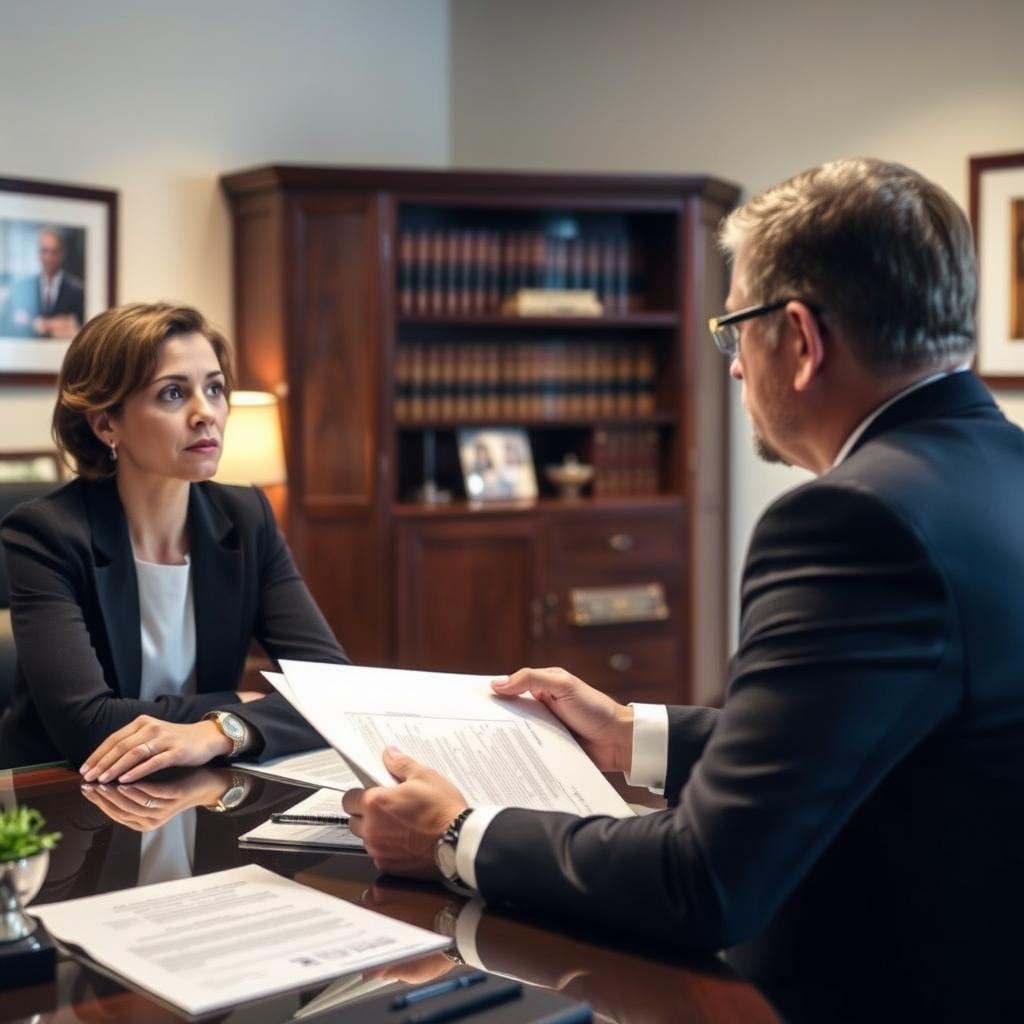
Rehabilitative Alimony Lawyer Powhatan County, VA
Rehabilitative alimony is a form of spousal support designed to help a financially dependent spouse obtain the education, training, or experience needed to become self-supporting after a divorce. In Powhatan County, Virginia, these matters are handled in the Powhatan County Circuit Court, which has exclusive jurisdiction over divorce and equitable distribution, while related support and custody issues may also be addressed in the Powhatan County Juvenile and Domestic Relations District Court. Law Offices Of SRIS, P.C., founded in 1997, has represented individuals in family law matters throughout Virginia, including rehabilitative alimony cases in Powhatan County. Mr. Sris, Owner and Founder, and his Of Counsel bring extensive combined legal experience to these proceedings, working to protect clients’ financial interests while navigating the statutory factors set forth in Va. Code § 20-107.1. To request a consultation about rehabilitative alimony in Powhatan County, contact the firm at (888) 437-7747. Law Offices Of SRIS, P.C. – Advocacy Without Borders.
What Rehabilitative Alimony Means in Powhatan County
Rehabilitative alimony is a time-limited spousal support award that gives a recipient spouse the opportunity to gain skills or credentials necessary to re-enter the workforce or improve earning capacity. Under Virginia law, courts consider thirteen statutory factors when determining whether to award rehabilitative support and the amount and duration of the award. These factors include each spouse’s earning capacity, education, training, age, health, the standard of living during the marriage, and the contributions of each party to the family. The goal is to place the recipient in a position to become self-sufficient within a defined period, after which the support obligation typically ends unless circumstances prevent self-sufficiency.
Powhatan County is part of Virginia’s Twelfth Judicial District, and its Circuit Court at 3834 Old Buckingham Road, Suite C, Powhatan, VA 23139 hears all divorce and spousal support matters. Many rehabilitative alimony disputes in Powhatan County arise when the supported spouse claims a need for training or education, while the paying spouse argues that the recipient already has marketable skills or that the requested period is excessive. The court evaluates evidence of each spouse’s vocational history, current job opportunities, and the feasibility of proposed educational plans. Because the court may also consider the equitable distribution of marital property when setting support, a comprehensive approach that addresses both property and support issues is often necessary.
How Mr. Sris and His Of Counsel Handle Rehabilitative Alimony Cases
Mr. Sris and his Of Counsel approach rehabilitative alimony matters with a focus on building a factual record that addresses each of the statutory factors under Va. Code § 20-107.1. This often involves gathering employment records, vocational assessments, educational enrollment documents, and evidence of the parties’ historical financial arrangements. The team works to present the court with a clear narrative of each spouse’s current economic situation and realistic future prospects, so that any support award is grounded in verifiable information rather than conjecture.
In Powhatan County Circuit Court proceedings, counsel prepares motions and responses that frame the key issues—whether rehabilitative support is appropriate, what length of time is reasonable, and what amount will allow the recipient to obtain necessary training without imposing an unreasonable burden on the payor. When a case involves concurrent property division, the team coordinates the support argument with the equitable distribution presentation to avoid double-counting assets or income streams. If a temporary (pendente lite) support order is needed while the divorce is pending, Mr. Sris and his Of Counsel can seek that relief promptly. Every case strategy is tailored to the specific facts, because rehabilitative alimony determinations are fact‑intensive and the outcome can significantly affect both parties’ post‑divorce financial stability.
About Mr. Sris and His Of Counsel Team
Mr. Sris, Owner and Founder of Law Offices Of SRIS, P.C., is a former prosecutor who has been practicing law since 1997. He is admitted in Virginia, Maryland, the District of Columbia, New Jersey, and New York. Throughout his career, Mr. Sris has handled a wide range of family law matters, including divorces involving complex financial issues and support disputes. His legislative experience includes having testified before the Virginia House Courts of Justice Committee in support of 2019 HB 635 (chief patron Del. David Bulova), a bill that addressed family law pension-division procedures.
The firm’s Of Counsel attorneys work alongside Mr. Sris to serve clients in Powhatan County and across Virginia. Together, they bring extensive combined legal experience to rehabilitative alimony cases, ensuring that each client receives guidance grounded in years of court-focused practice. The firm has documented case results across all practice areas since 1997. Results may vary. To discuss your situation with Mr. Sris and his Of Counsel, call (888) 437-7747.
Frequently Asked Questions
What is the difference between rehabilitative alimony and permanent spousal support in Virginia?
Rehabilitative alimony is time-limited support intended to help a dependent spouse become self-supporting, while permanent (indefinite) support continues without a set end date, typically reserved for long marriages where the recipient cannot reasonably achieve self-sufficiency. Virginia courts prefer rehabilitative support where possible, but will award indefinite support if the recipient’s age, health, or other circumstances make rehabilitation impracticable. The determination depends on the evidence presented and the application of the statutory factors. For guidance on your specific situation, reach Law Offices Of SRIS, P.C. at (888) 437-7747.
What factors does a Powhatan County judge consider when deciding rehabilitative alimony?
The judge considers the thirteen factors listed in Va. Code § 20-107.1, including each spouse’s financial resources, earning capacity, education, age, physical and mental condition, and the contributions made to the family’s well‑being. The court also looks at the duration of the marriage, the standard of living established, and the time and expense needed for the receiving spouse to acquire education or training. Because these factors are fact‑intensive, presenting a detailed evidentiary record is critical. To discuss the details of your matter, contact Law Offices Of SRIS, P.C. at (888) 437-7747.
How long can rehabilitative alimony last in Virginia?
A rehabilitative alimony award lasts only as long as the court determines is reasonably necessary for the recipient spouse to attain self-sufficiency, and the award typically includes a specific end date. The duration can vary widely depending on the recipient’s educational background, work history, the type of training sought, and local job market conditions. The court retains jurisdiction to modify the award if circumstances change materially. For a consultation, reach Mr. Sris and his Of Counsel at (888) 437-7747.
Can rehabilitative alimony be modified after the divorce?
Yes, a court may modify a rehabilitative alimony award upon a showing of a material change in circumstances, unless the award was made non-modifiable by agreement of the parties. A substantial change in income, employment status, or health can justify a modification, but the moving party must present updated financial evidence. The Powhatan County Circuit Court hears modification requests, and representation by experienced counsel is important to present the change convincingly. For guidance on modification, reach Law Offices Of SRIS, P.C. at (888) 437-7747.
Does rehabilitative alimony end if the recipient remarries?
Under Virginia law, spousal support—including rehabilitative alimony—automatically terminates upon the remarriage of the recipient spouse, unless the parties have agreed otherwise in a written contract. Cohabitation in a relationship analogous to marriage may also be a ground for termination, but the paying spouse must prove the existence and nature of the cohabiting relationship. If you are seeking to terminate or modify support based on remarriage, it is advisable to bring the matter before the court promptly. To discuss enforcement or modification, contact Law Offices Of SRIS, P.C. at (888) 437-7747.
Do I need a lawyer for a rehabilitative alimony case in Powhatan County?
You are not legally required to hire a lawyer, but rehabilitative alimony cases involve complex financial evidence and statutory factors that are difficult to navigate without experienced counsel. An attorney familiar with the Powhatan County Circuit Court and the Virginia spousal support framework can help you gather the right evidence, formulate a persuasive argument, and protect your long-term financial interests. Law Offices Of SRIS, P.C. offers consultations by appointment—call (888) 437-7747 to discuss how we can assist.
Additional family law pages that may be helpful:
Fairfax County Family Law Lawyer ·
Fairfax City Family Law Lawyer ·
Falls Church Family Law Lawyer ·
Prince William County Family Law Lawyer ·
Manassas City Family Law Lawyer
Virginia law resources:
Virginia Code Title 20 (Domestic Relations) ·
Powhatan County Circuit Court
Attorney advertising. Prior results do not guarantee a similar outcome. Case results depend on a variety of factors unique to each case. Results may vary.