
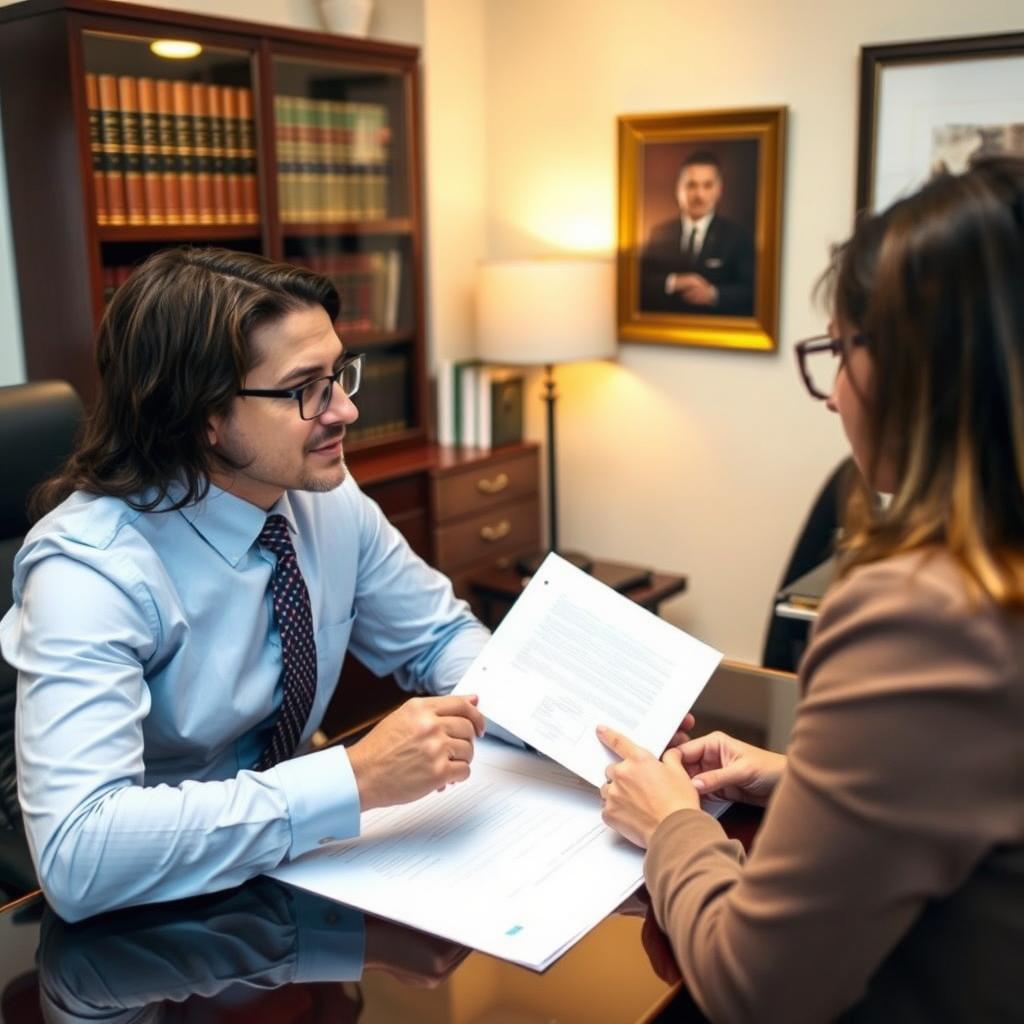
Alimony Enforcement Lawyer Rockingham County, VA
You have a court order awarding you spousal support, but months pass without a single payment. You have sold belongings, borrowed money, and still the bills keep coming. You feel as if the system left you behind — but you are not alone. In Rockingham County, Virginia, the law gives you tools to enforce alimony obligations, and Law Offices Of SRIS, P.C. stands ready to help. Mr. Sris, Owner and Founder, and his Of Counsel team guide clients from Harrisonburg, Bridgewater, Dayton, Elkton, Timberville, and Broadway through alimony enforcement proceedings. Reach our location at (888) 437-7747 to request a consultation. Law Offices Of SRIS, P.C. – Advocacy Without Borders.
What Are Your Options When an Ex‑Spouse Ignores an Alimony Order?
When the person ordered to pay spousal support stops paying, a handful of legal remedies can make the order real. The path you choose depends on the facts of your case and the type of order you hold. In Virginia, an alimony order entered as part of a divorce decree is enforceable through the Rockingham County Circuit Court; a standalone order for spousal support falls under the Rockingham County Juvenile and Domestic Relations District Court. The same basic enforcement mechanisms are available regardless of which court issued the order, though the procedures differ slightly.
Frequently, the first step is a rule to show cause. You ask the court to issue an order directing the non‑paying party to appear and explain why they should not be held in contempt. If the court finds that the person had the ability to pay and willfully refused, it may impose sanctions. Other options include wage garnishment, where a portion of the payer’s earnings is sent directly to you, and liens against real estate or personal property. In some situations, a court can order the suspension of a driver’s license or professional license until the arrears are satisfied. Mr. Sris and his Of Counsel evaluate which approach fits your situation and present it clearly, so you can make an informed decision.
It is important to remember that the burden is on you to demonstrate that the order exists and that payments were missed. Keeping meticulous records — payment receipts, bank statements, correspondence, and court orders — strengthens your position. The firm helps clients organize this evidence and presents it to the court in a way that focuses on the financial facts.
What to Expect When You Go to Court in Rockingham County
Alimony enforcement matters in Rockingham County are typically heard at the Juvenile and Domestic Relations District Court at 53 Court Square, Harrisonburg, Virginia. If the support order originates from a divorce decree, the Circuit Court may also be involved. Hearings are scheduled on the court’s calendar, and you should be prepared to discuss the history of the order, the missed payments, and the payer’s circumstances.
The judge will want to know whether the payor had the means to pay and whether the failure was willful. This is not a trial about the fairness of the original alimony award; it is a proceeding about compliance. You can expect the court to examine financial documents, employment records, and any evidence of attempts to avoid payment. The judge may ask both sides questions directly, and parties often appear without a jury. Because these hearings move quickly, having an attorney who knows the local court’s rhythm can make the difference between a successful outcome and a frustrating delay.
Depending on the evidence, the court may issue a new order setting a payment schedule for the arrears, impose a fine, or, in cases of willful contempt, even order jail time until the back support is paid. The enforcement process can take weeks or months, depending on the court’s calendar and the complexity of the payer’s financial situation. Mr. Sris and his Of Counsel attend hearings with clients, present evidence, and advocate for the enforcement terms that make sense for your household.
What Penalties Can a Virginia Court Impose for Non‑Payment of Alimony?
Virginia law gives courts broad power to enforce alimony orders. Under Va. Code § 20‑115, a court may enter an order directing the payment of unpaid support and, if non‑payment is found to be willful, hold the non‑paying party in contempt. Contempt of court in a family law context is not a criminal charge — it is a civil remedy designed to compel compliance — but the consequences can be serious. A judge may order the payor to serve time in jail, though the court typically allows for release upon payment of a purge amount toward the arrearage. The goal is to get money into your hands, not to punish for its own sake.
Beyond contempt, a court may impose interest on unpaid installments, require the payor to cover your attorney fees and court costs, and, in appropriate cases, garnish wages or attach bank accounts. The judge determines the penalty based on the payor’s ability to pay, the history of the case, and the efforts made to collect. There is no flat dollar penalty listed in the statute; consequences are tailored to the facts. Mr. Sris and his Of Counsel work to ensure the court sees a complete picture of the payor’s finances and the impact of non‑payment on your family.
How Mr. Sris and His Of Counsel Team Approach Alimony Enforcement
Mr. Sris, Owner and Founder of Law Offices Of SRIS, P.C., has practiced law since 1997. A former prosecutor, he brings experience analyzing financial records, questioning witnesses, and presenting evidence — skills that transfer directly to enforcement proceedings where credibility and documentation are key. The firm’s Of Counsel attorneys contribute extensive combined legal experience. Results may vary.
The team begins by reviewing the existing alimony order, the payment history, and the payor’s employment and asset situation. If a motion for a rule to show cause is the right tool, they prepare a petition that lays out the missed payments and the legal basis for enforcement. Throughout the process, they keep you informed of what to expect at each stage, from the initial filing to the final hearing. Should the payor attempt to modify the underlying alimony order as a defense, the firm is prepared to respond, keeping the focus on the enforcement of the existing obligation.
Because the Rockingham County courts are familiar to the firm, Mr. Sris and his Of Counsel know the filing procedures and the expectations of the bench. They handle the paperwork, the service of process, and the court appearances, allowing you to concentrate on your family and your finances.
Frequently Asked Questions
How is alimony enforcement different from seeking a modification?
Enforcement asks the court to compel payment of an existing order; modification asks the court to change the amount or duration of future payments. If your ex‑spouse has fallen behind, you are not asking to alter the order — you are demanding that it be obeyed. A payor’s request for a modification, on the other hand, requires proof of a material change in circumstances. In an enforcement action, the payor’s financial difficulties may be considered, but the focus remains on compliance.
Can a Rockingham County court enforce an alimony order issued in another state?
Yes, under the Uniform Interstate Family Support Act, a valid spousal support order from another state can be registered and enforced in Virginia. The process involves filing the foreign order with the clerk of the Rockingham County court that has jurisdiction over family support matters. Once registered, you can seek the same remedies — garnishment, contempt, liens — as if the order were issued locally. Our firm handles the registration and enforcement of out‑of‑state alimony orders for clients living in the Harrisonburg area and throughout Rockingham County.
What should I do if I am accused of falling behind on alimony?
If you receive a show cause summons or a motion for contempt, contact an attorney immediately and gather your financial records. Do not ignore the court date. The court will want to see proof of your income, expenses, and any payments you have made. An inability‑to‑pay defense may be available if you can show that your financial situation changed through no fault of your own and that you made a good‑faith effort to comply. Mr. Sris and his Of Counsel represent both parties in alimony enforcement proceedings, so whether you are seeking enforcement or defending against it, you can discuss your situation with an experienced attorney.
How long does it take to enforce an alimony order in Rockingham County?
The timeline depends on the court’s calendar and the complexity of the payer’s finances. A straightforward show cause case may be heard in a matter of weeks, while a contested matter involving assets, income discovery, or a parallel modification request can take longer. The court schedules hearings based on available docket space, and Mr. Sris and his Of Counsel prepare each case to move as efficiently as the facts allow.
Will the court make my ex‑spouse pay my attorney fees?
A Virginia court has the authority to order a non‑paying spouse to pay the other side’s reasonable attorney fees and costs in enforcement proceedings. The decision is in the judge’s discretion and usually turns on whether the payor’s behavior was willful or unjustified. If you prevail in showing contempt, an award of fees is a common remedy. Our firm presents the evidence needed to support such a request.
Do I need a lawyer to enforce an alimony order?
You are not legally required to have a lawyer, but the procedural rules — evidence presentation, subpoenaing financial records, and arguing contempt — can be difficult to navigate without one. The payor is likely to have representation, and the court will expect you to follow the same rules. Having an experienced family law attorney helps ensure your rights are fully asserted. For a consultation about your alimony enforcement matter in Rockingham County, reach Law Offices Of SRIS, P.C. at (888) 437-7747.
Get Help Enforcing Your Alimony Order
When spousal support goes unpaid, the stress goes beyond finances. You deserve to have the order honored. To discuss your situation and learn what enforcement options are available to you, call (888) 437-7747 or reach our location online to request a consultation. Appointments are available, and our phones are answered 24 hours a day, every day. Mr. Sris and his Of Counsel are ready to assist clients in Harrisonburg, Bridgewater, Dayton, Elkton, Timberville, Broadway, and throughout Rockingham County.
Additional family law resources: Clarke County Family Law Lawyer · Shenandoah County Family Law Lawyer · Frederick County Family Law Lawyer · Warren County Family Law Lawyer · Augusta County Family Law Lawyer
Attorney advertising. Prior results do not guarantee a similar outcome. Results may vary.
Case results depend on a variety of factors unique to each case.