
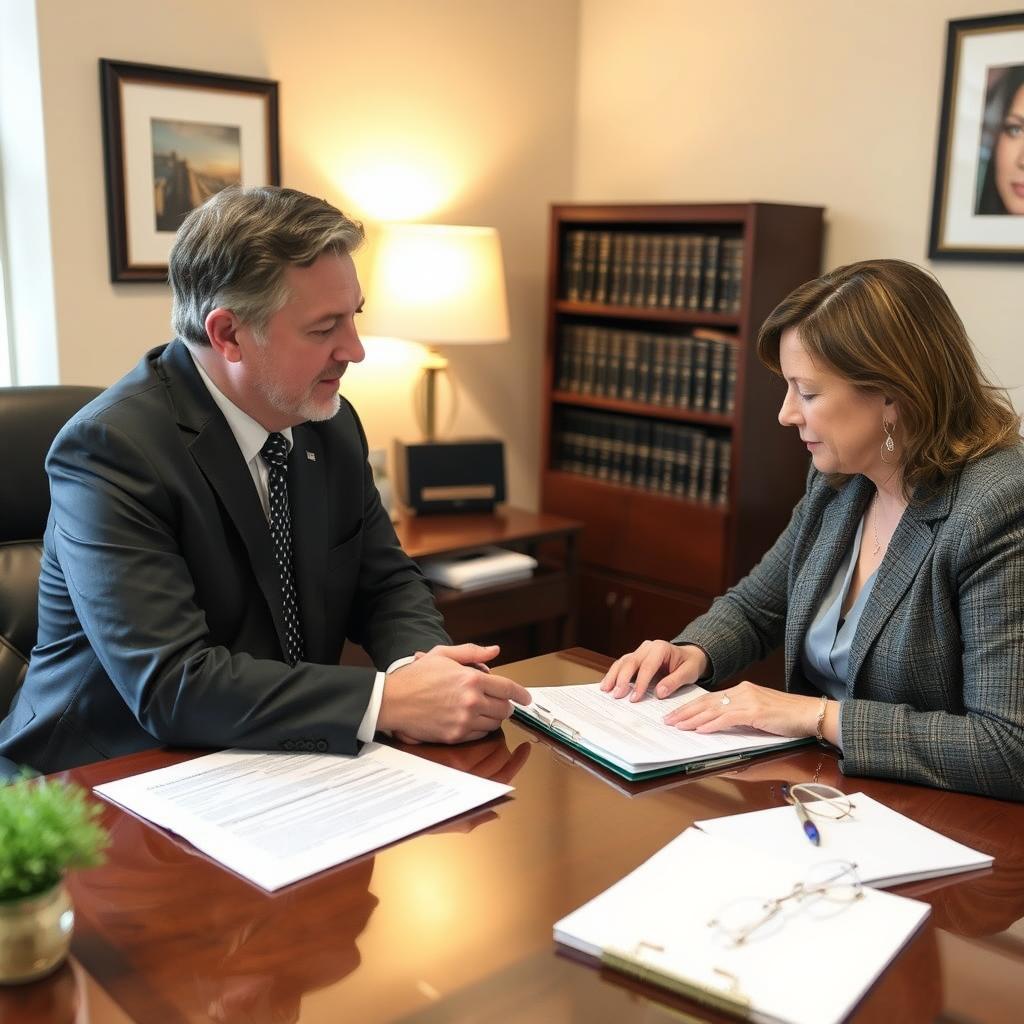
Divorce Decree Modification Lawyer Roanoke County, VA
The divorce decree that once resolved your marriage may no longer reflect the circumstances of your life today. A job loss, a significant change in income, a relocation to a different part of Virginia, or a shift in your child’s needs can leave you with support obligations that feel unworkable or a custody arrangement that no longer serves your family’s best interests. In Roanoke County, the courts recognize that final orders sometimes need to be revisited. Law Offices Of SRIS, P.C. represents clients who are seeking to modify spousal support, child support, custody, or visitation provisions of an existing divorce decree. Our Shenandoah Location serves communities throughout the Roanoke Valley—Salem, Vinton, Cave Spring, Hollins, Catawba, and beyond. To discuss whether a modification is appropriate in your situation, call (888) 437-7747 to schedule a consultation. Law Offices Of SRIS, P.C. – Advocacy Without Borders.
What Divorce Decree Modification Means in Roanoke County
A modification proceeding is not a new divorce case; it is a request to the court that entered the original decree to change one or more of its terms because a material change in circumstances has occurred since the order was entered. The Roanoke County Circuit Court, located at 305 East Main Street in Salem, handles modifications to divorce-related equitable distribution, spousal support, and, when bundled with a divorce, custody or child support. Standalone custody, visitation, and child support modification petitions are typically heard by the Roanoke County Juvenile and Domestic Relations District Court. The legal standard is demanding: the party seeking the change must demonstrate that the alteration is warranted by a substantial change in facts and that the proposed modification serves the best interests of any children involved.
The firm’s attorneys understand the local procedural landscape. The Twenty-third Judicial District covers a broad geographic area, and familiarity with the expectations of the Roanoke County bench is a practical asset. Whether the original order was entered by agreement or after a contested trial, Mr. Sris and the firm’s Of Counsel attorneys evaluate each case individually, identifying whether the threshold for a modification can be met under Virginia law.
Strategy Options for Modifying a Divorce Decree
There is no single path to a decree modification. The most efficient resolution often comes when both former spouses agree that a change is necessary and can present a consent order to the court. When agreement is not possible, a formal motion to modify is filed, and the matter proceeds to an evidentiary hearing. The types of evidence that may be relevant include financial records, pay stubs, tax returns, medical documentation, school records, and testimony from parties or third-party witnesses.
Depending on the nature of the modification sought, different statutory factors guide the court’s analysis. For child support, Virginia applies statutory guidelines that consider the gross incomes of both parents and the cost of health insurance and work-related child care. For spousal support, the court weighs the factors enumerated in Va. Code § 20-107.1. Custody and visitation determinations are governed by the trusted-interests-of-the-child standard under Va. Code § 20-124.3. Mr. Sris and the firm’s Of Counsel attorneys prepare each modification case with these statutory frameworks in mind, working to present a clear, fact-based argument for why the requested change is justified under the circumstances that now exist.
What to Expect During a Modification Proceeding
After a modification petition is filed and served on the opposing party, the court will set a hearing date. The timeframe for a hearing depends on the court’s calendar and the complexity of the issues. At the hearing, each side has the opportunity to present evidence and cross-examine witnesses. The proceeding is formal and governed by the Virginia Rules of Evidence. A judge will then issue a ruling that either grants the modification in whole or in part, or denies it.
In many instances, the court may encourage the parties to attempt to resolve the matter through negotiation or mediation before a final hearing. While not mandatory, a negotiated resolution can reduce conflict and give the parties more control over the outcome. Mr. Sris and the firm’s Of Counsel attorneys have experience in both negotiation and courtroom advocacy, and they tailor their approach to the specific dynamics of each case.
How Mr. Sris and the Firm’s Of Counsel Attorneys Handle Modification Cases
Every modification case begins with a careful review of the existing decree and the facts that have changed since it was entered. The firm’s attorneys focus on building a detailed record that connects the evidence to the legal standard. Because modification law is fact-intensive, thorough preparation is essential. Clients are guided through each step, from gathering documentation to preparing for testimony.
Mr. Sris, the firm’s Owner and Founder, has practiced family law since 1997 and has appeared in courts throughout Virginia. The firm’s Of Counsel attorneys bring backgrounds that include prosecution, law enforcement, and extensive family law litigation. This combined experience allows the firm to approach modification cases from multiple angles, whether the matter involves straightforward support adjustments or complex disputes over custody and property.
About Mr. Sris and the Firm’s Of Counsel Attorneys
Mr. Sris is a former prosecutor who founded Law Offices Of SRIS, P.C. in 1997. He is admitted to practice in Virginia, as well as Maryland, the District of Columbia, New Jersey, and New York. Mr. Sris testified before the Virginia House Courts of Justice Committee in support of 2019 HB 635 (chief patron Del. David Bulova), legislation that revised certain procedures related to equitable distribution of retirement assets.
The firm’s Of Counsel attorneys are experienced litigators who concentrate their practices in family law, among other areas. The collective knowledge of the team gives clients access to a broad base of legal insight. When you work with Law Offices Of SRIS, P.C., your modification case receives the attention of attorneys who understand both the substantive law and the practical realities of the Roanoke County courts.
Frequently Asked Questions
When can I modify a divorce decree in Virginia?
You can seek to modify a divorce decree when there has been a material change in circumstances that was not contemplated at the time the original order was entered. Examples include a substantial change in income, a job loss, a medical condition that affects a parent’s ability to work, a planned relocation, or a change in the child’s needs. Child support may also be reviewed every three years at the request of either parent, even without a specific showing of changed circumstances. The change must be significant, not merely temporary or minor, to warrant court intervention.
How do I modify child support in Roanoke County?
A parent requesting a child support modification must file a motion with the Roanoke County Juvenile and Domestic Relations District Court and demonstrate that a material change has occurred. Common grounds include a job change that alters gross income by a significant percentage, a change in the cost of health insurance, or a change in the child’s living arrangements. The Virginia child support guidelines will be applied to the current financial circumstances. For a consultation about your specific situation, contact Law Offices Of SRIS, P.C. at (888) 437-7747.
Can spousal support be modified after the divorce?
Spousal support can be modified if the original order permits modification and the requesting party proves a material change in circumstances. Some decrees specify that spousal support is non-modifiable, so the language of the original order is critical. Even when modifiable, the party seeking the change must show that the change is substantial and ongoing. The court considers the same statutory factors that governed the initial award, including the earning capacity, financial resources, and needs of each party.
What is the process for modifying custody or visitation?
Modifying custody or visitation requires filing a petition in the appropriate Roanoke County court and proving that a change in circumstances makes the modification necessary to serve the child’s best interests. The court evaluates factors such as the child’s relationship with each parent, each parent’s willingness to support contact with the other parent, and any history of abuse or neglect. A guardian ad litem may be appointed to represent the child’s interests. Modification cases involving custody are often among the most emotionally charged; experienced legal guidance can help manage the process.
Do I need a lawyer to modify a divorce decree?
You are not legally required to have a lawyer, but the modification process involves strict evidentiary standards and procedural rules that can be difficult to navigate without legal training. The party seeking the modification bears the burden of proof, and the outcome often depends on the quality of the evidence presented and the legal arguments made. An attorney can evaluate whether the facts support a modification, gather the necessary documentation, and present a persuasive case to the court. To speak with an attorney about your modification matter, call (888) 437-7747.
Learn more about family law representation in other Virginia localities: Fairfax County | Prince William County | Manassas City | Falls Church City | Fairfax City
For official Virginia legal resources, visit the Virginia Code Title 20 (Domestic Relations) or the Virginia Judicial System website. For information about Roanoke County courts, see the Roanoke County Circuit Court page.
Attorney advertising. Prior results do not guarantee a similar outcome. Results may vary.
Case results depend on a variety of factors unique to each case.