
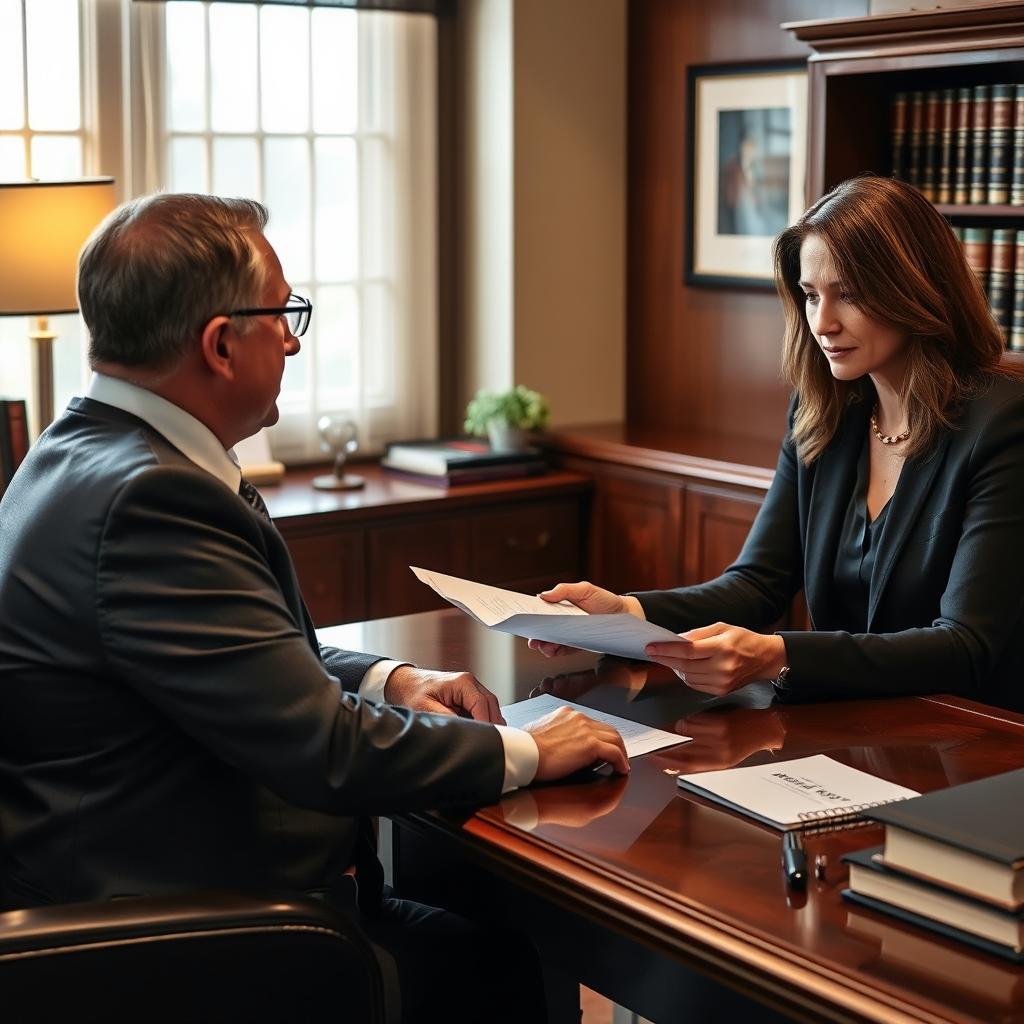
Restraining Order Lawyer Virginia, VA
You’re concerned for your safety. You need legal protection — and you need it without delay. A restraining order in Virginia can provide that shield, but the process involves strict procedural requirements and a hearing before a judge. Law Offices Of SRIS, P.C., founded in 1997, serves individuals throughout the Commonwealth seeking protective orders. Whether you are dealing with threats, harassment, stalking, or domestic abuse, our firm helps you understand your options and take immediate legal action. Reach us at (888) 437-7747 to discuss your situation. Law Offices Of SRIS, P.C. – Advocacy Without Borders.
Your Options for Obtaining a Restraining Order in Virginia
Virginia law provides three types of protective orders designed to address different stages of an emergency. Knowing which one applies to your circumstances is the first step in securing the protection you need.
An Emergency Protective Order (EPO) is the fastest response. Law enforcement or a magistrate can issue an EPO when a person is in immediate danger, often at the scene of an incident. An EPO typically expires after three days, giving you time to seek a longer-term order. A Preliminary Protective Order (PPO) is the next stage. You may petition the Juvenile and Domestic Relations District Court for a PPO without the other party present. If the judge finds evidence of family abuse, they can grant the PPO, which lasts for 15 days or until a full hearing. The Protective Order (PO) is the final order, issued after a hearing where both sides have an opportunity to present evidence and testimony. A PO can remain in effect for up to two years and may be extended if circumstances warrant. Each type of order can include specific conditions, such as prohibiting contact, requiring the respondent to stay away from your home or workplace, granting temporary custody, and ordering the respondent to surrender firearms.
In Virginia, protective orders are most often sought in the Juvenile and Domestic Relations District Court when the parties have a family or household member relationship — for example, spouses, ex‑spouses, co‑parents, or persons who have lived together. For situations that do not involve a family or household member, other civil remedies may apply, and our attorneys can advise on the appropriate court and legal theory.
What to Expect in a Virginia Restraining Order Case
The process begins when you file a petition with the clerk of the Juvenile and Domestic Relations District Court, which handles protective-order cases in most Virginia localities. You will complete a form describing the reason for your request and any history of abuse or threats. The judge may then review your petition and issue a Preliminary Protective Order on an ex parte basis — meaning the other party does not need to be present.
Once a PPO is entered, law enforcement serves the order on the respondent. A full hearing is scheduled promptly, typically within 15 days. At the hearing, both sides may present evidence, call witnesses, and cross‑examine. The court considers factors such as physical injury, threats of violence, property damage, and any pattern of abusive conduct. After the hearing, if the judge determines that family abuse has occurred, a final Protective Order is issued with specific conditions.
It is important to remember that a protective order is a civil order, but a violation of the order is a separate criminal offense. Therefore, both the petitioner and the respondent should take the proceedings seriously. Our attorneys help clients prepare for the hearing, gather relevant evidence, and present a clear, credible account to the court.
Consequences of Violating a Virginia Protective Order
When a court issues a protective order, the respondent is legally bound to comply with every condition. Violating a protective order in Virginia is a serious matter. Under Va. Code § 18.2‑60.4, a violation of a protective order is a Class 1 misdemeanor, punishable by up to 12 months in jail and a fine of up to $2,500. Multiple violations can be charged as additional offenses, and the court may impose stricter conditions or extend the protective order.
In addition to criminal penalties, a protective-order violation can have collateral consequences unrelated to the criminal case. It can affect child‑custody determinations, firearm‑possession rights, and employment background checks. For respondents who are non‑U.S. Citizens, a protective‑order violation can also carry immigration consequences. Because the stakes are high, it is critical to seek legal guidance whether you are seeking protection or have been served with an order.
Experienced Virginia Family Law Attorneys for Restraining Order Matters
Mr. Sris, Owner and Founder of Law Offices Of SRIS, P.C., is a former prosecutor with experience in criminal and family law. His background gives him insight into how both sides of a protective‑order case are built — a distinct perspective when preparing for a hearing. Mr. Sris guides individuals through all phases of a Virginia protective‑order matter, from the initial petition to the final hearing.
Mr. Sris and the firm’s Of Counsel attorneys bring extensive combined legal experience to family law and restraining order matters. The firm’s attorneys understand Virginia courtroom dynamics and work to present a compelling case while safeguarding clients’ rights at every stage. Admitted in Virginia, Maryland, the District of Columbia, New Jersey, and New York, the firm has the multi‑state perspective to handle cases that cross jurisdictional lines.
If you are facing a protective‑order hearing, or if you need help filing a petition to protect yourself or a family member, reach our firm at (888) 437-7747. Consultations are available by appointment.
Frequently Asked Questions About Virginia Restraining Orders
What is a restraining order in Virginia?
A restraining order, also called a protective order, is a court order that tells a person to stop certain behaviors, such as contacting or being near the person who requested the order. In Virginia, protective orders can include no‑contact provisions, stay‑away orders, temporary custody arrangements, and firearm‑surrender requirements. They are issued under Va. Code § 16.1‑253.1 (preliminary) and § 16.1‑279.1 (permanent) and are intended to provide immediate legal protection from family abuse.
How do I get a restraining order in Virginia?
You can start by filing a petition at the Juvenile and Domestic Relations District Court in the county or city where you live, where the other person lives, or where the abuse occurred. The clerk will provide the necessary forms. If you are in immediate danger, you can request an Emergency Protective Order through law enforcement. An attorney can help you prepare the petition, gather evidence, and represent you at the hearing.
How long does a restraining order last in Virginia?
The duration depends on the type of order: an Emergency Protective Order typically expires after three days, a Preliminary Protective Order lasts up to 15 days or until a full hearing, and a final Protective Order can remain in effect for up to two years, with the possibility of extension. Extensions may be granted if the court finds continued need for protection.
Can I get a restraining order against a family member I live with?
Yes, if the person is a family or household member as defined by Virginia law, you can seek a protective order in the Juvenile and Domestic Relations District Court. Family or household members include spouses, former spouses, parents, children, siblings, in‑laws, and individuals who have lived together in the past year. If the respondent does not fall into one of those categories, other legal remedies may be available, and an attorney can advise on the appropriate filing.
Do I need a lawyer to get a restraining order in Virginia?
You are not legally required to have a lawyer, but having experienced counsel can improve the outcome. The petition and hearing process involve evidentiary rules, witness preparation, and cross‑examination. An attorney can help you present a clear, credible case to the judge while protecting your interests. For a consultation, reach Mr. Sris and the firm’s Of Counsel attorneys at (888) 437-7747.
For more information about related family law matters in Virginia, visit our pages on:
Family Law Lawyer Fairfax County VA | Family Law Lawyer Richmond VA | Family Law Lawyer Norfolk VA | Family Law Lawyer Portsmouth VA
For a full statutory breakdown of Virginia protective orders and the legal standards governing them, see our comprehensive analysis on srislawyer.com.
Attorney advertising. Prior results do not guarantee a similar outcome.
Results may vary.
Case results depend on a variety of factors unique to each case.