
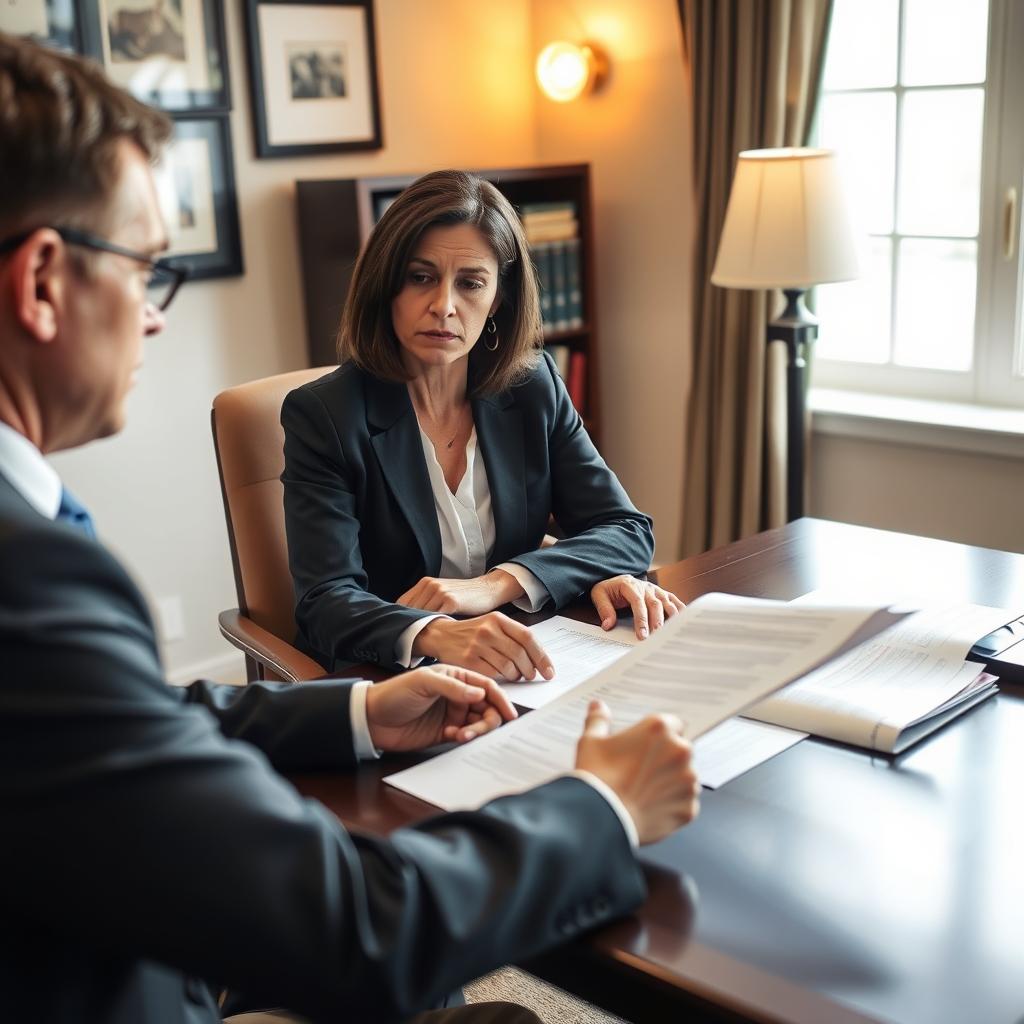
Equitable Distribution Lawyer Fluvanna County, VA
Facing a divorce in Fluvanna County leaves many people worried about what will happen to their home, retirement accounts, and other assets. You may have worked hard to build a life, and now you’re unsure how Virginia’s equitable distribution laws will divide what you’ve accumulated. An experienced family law attorney can help you understand the process and work toward a fair outcome. Law Offices Of SRIS, P.C. represents individuals throughout Fluvanna County in property division matters. Law Offices Of SRIS, P.C. – Advocacy Without Borders.
How a Lawyer Can Help With Equitable Distribution
Equitable distribution doesn’t automatically mean a 50/50 split. A family law attorney identifies which assets are marital property—subject to division—and which are separate property, like gifts or inheritances. Your lawyer can gather financial records, work with appraisers to value businesses or real estate, and negotiate a property settlement agreement. If an agreement can’t be reached, the matter proceeds to the Fluvanna County Circuit Court, where the judge considers the factors in Virginia Code § 20-107.3. Having an attorney who understands the local court’s expectations can make a significant difference in protecting what matters to you.
What to Expect in Fluvanna County Equitable Distribution Cases
Divorce and equitable distribution are handled by the Fluvanna County Circuit Court at 72 Main Street, Suite B, Palmyra, VA 22963. The process starts with filing a Complaint, after which both sides exchange financial disclosures and other evidence. If support or custody issues arise before the divorce is final, the Fluvanna County Juvenile and Domestic Relations Court may enter temporary orders. Mediation is available but not mandatory. Many cases resolve through negotiation or a settlement agreement; when they don’t, the Circuit Court conducts a final hearing and applies the 11 statutory factors to reach a fair division of marital property. The timeline varies based on case complexity and court scheduling.
Consequences of an Unfair Property Division
Under Va. Code § 20-107.3, a judge weighs factors such as each spouse’s monetary and non‑monetary contributions, the length of the marriage, the age and health of the parties, and how and when property was acquired. An outcome that overlooks hidden assets, undervalues a business, or misclassifies separate property can leave you with far less than you deserve. Because Virginia courts have broad discretion, presenting a thorough financial picture and a clear argument tied to the statutory factors is critical. A flawed classification or valuation can linger for years, affecting retirement security, debt obligations, and long‑term financial plans. Working with a knowledgeable attorney gives you the trusted chance of a result that reflects the full picture.
About Mr. Sris and the Firm’s Of Counsel Attorneys
Mr. Sris, Owner and Founder of Law Offices Of SRIS, P.C., is a former prosecutor who has practiced since 1997. He is admitted in Virginia, Maryland, the District of Columbia, New Jersey, and New York. Mr. Sris testified before the Virginia House Courts of Justice Committee in support of 2019 HB 635 (chief patron Del. David Bulova), a bill that revised a key subsection of Virginia’s equitable distribution statute. The firm’s Of Counsel attorneys bring extensive combined legal experience to family law matters. Results may vary. in your case.
Frequently Asked Questions
How is property divided in a Fluvanna County divorce?
Virginia is an equitable distribution state, meaning the court divides marital property fairly—but not necessarily equally—based on 11 statutory factors. Separate property such as pre‑marital assets, gifts, and inheritances typically remains with the original owner. Marital property includes income, real estate, and retirement accounts acquired during the marriage. The Fluvanna County Circuit Court classifies and values each asset before applying the factors in Va. Code § 20-107.3. The process can be complex when a business, professional practice, or stock options are involved. An attorney can help you present a complete financial picture and advocate for a result that reflects the reality of your marriage.
What factors does the court consider in equitable distribution?
The judge examines 11 factors, including each spouse’s monetary and non‑monetary contributions, the length of the marriage, the age and health of the parties, and the circumstances that led to the divorce. The court also looks at how and when property was acquired, the debts and liabilities of each spouse, the liquid or non‑liquid nature of the assets, and any tax consequences of a proposed division. No single factor controls; the goal is a fair overall outcome. Presenting clear financial evidence and tying it to these factors can greatly influence the judge’s decision.
Do I need a lawyer for equitable distribution in Fluvanna County?
You are not legally required to have a lawyer, but handling an equitable distribution case without one puts you at a serious disadvantage. The Fluvanna County Circuit Court expects proper pleadings, accurate financial disclosures, and well‑supported arguments. Misclassifying an asset or overlooking a retirement account can lead to a division that shortchanges you. An experienced family law attorney knows the local court’s procedures, can engage forensic accountants when needed, and can negotiate a settlement that protects your interests. Most people find that professional guidance more than pays for itself in the long run.
How long does an equitable distribution case take in Fluvanna County?
The timeline depends on whether the parties can agree on a settlement and on the court’s calendar. An uncontested case with a signed separation agreement may resolve within a few months after the mandatory separation period ends. Contested matters that require discovery, appraisals, and a trial can take considerably longer. Complex marital estates—those involving businesses, multiple properties, or overseas assets—often extend the process. Your attorney can give you a realistic sense of how long your particular situation may take after learning the facts.
How does the court handle a business owned by one spouse?
If a business was started or grew during the marriage, it is generally considered marital property to the extent the value was acquired through marital effort. The court may order a business valuation to determine its worth. Even if one spouse runs the business, the other spouse may be entitled to a share. The judge can award the business to one spouse while offsetting the value with other assets, or order a payout. A lawyer can work with financial attorneys to ensure the valuation is accurate and that your interests are protected.
Is it possible to settle equitable distribution out of court?
Yes, many couples resolve property division through a written separation agreement without a trial. The agreement, signed by both parties, can settle all financial issues and then be incorporated into the final divorce decree. Settling out of court often saves time and reduces conflict, but you should never sign an agreement without independent legal review. An attorney can help you negotiate terms that are fair and comply with Virginia law, and can advise whether any proposed settlement adequately protects your financial future.
What court handles equitable distribution in Fluvanna County?
The Fluvanna County Circuit Court has exclusive jurisdiction over divorce and the division of marital property. Its address is 72 Main Street, Suite B, Palmyra, VA 22963. The court also hears related matters such as spousal support. If minor children are involved, the Fluvanna County Juvenile and Domestic Relations Court may handle custody, visitation, and child support, either separately or in conjunction with the Circuit Court action.
Can the court divide retirement accounts in Fluvanna County?
Yes, retirement accounts, including 401(k) plans and pensions, are subject to equitable distribution to the extent they were earned during the marriage. The court may use a Qualified Domestic Relations Order (QDRO) to direct a portion of a retirement plan to the other spouse. Determining the marital share and drafting a QDRO that the plan administrator will accept requires careful legal and financial work. An attorney can ensure the order complies with both Virginia law and the specific plan’s requirements.
What if my spouse is hiding assets?
If you suspect hidden assets, your attorney can use formal discovery tools—such as interrogatories, requests for production of documents, and depositions—to uncover financial information. Forensic accountants may be engaged to trace transactions and identify unreported income or concealed accounts. A court can also draw adverse inferences against a spouse who fails to fully disclose assets. Catching hidden property early can significantly change the division of the marital estate.
How do I get started with an equitable distribution lawyer in Fluvanna County?
To discuss your situation, reach Law Offices Of SRIS, P.C. at (888) 437-7747. An initial consultation allows you to explain your goals, learn how Virginia’s equitable distribution laws apply to your assets, and understand your options moving forward. The firm’s attorneys appear regularly in Fluvanna County courts and can guide you from the first filing through the final decree.
Related Family Law Pages:
- Fairfax County Family Law Lawyer
- Prince William County Family Law Lawyer
- Manassas Family Law Lawyer
- For a full statutory analysis, see our comprehensive guide on srislawyer.com.
Contact Law Offices Of SRIS, P.C. at (888) 437-7747 to request a consultation about equitable distribution in Fluvanna County. By appointment only.
Law Offices Of SRIS, P.C. — Shenandoah Location
505 N Main St, Suite 103
Woodstock, VA 22664
Phone: (888) 437-7747
Attorney advertising. Prior results do not guarantee a similar outcome.
Results may vary.
Case results depend on a variety of factors unique to each case.