
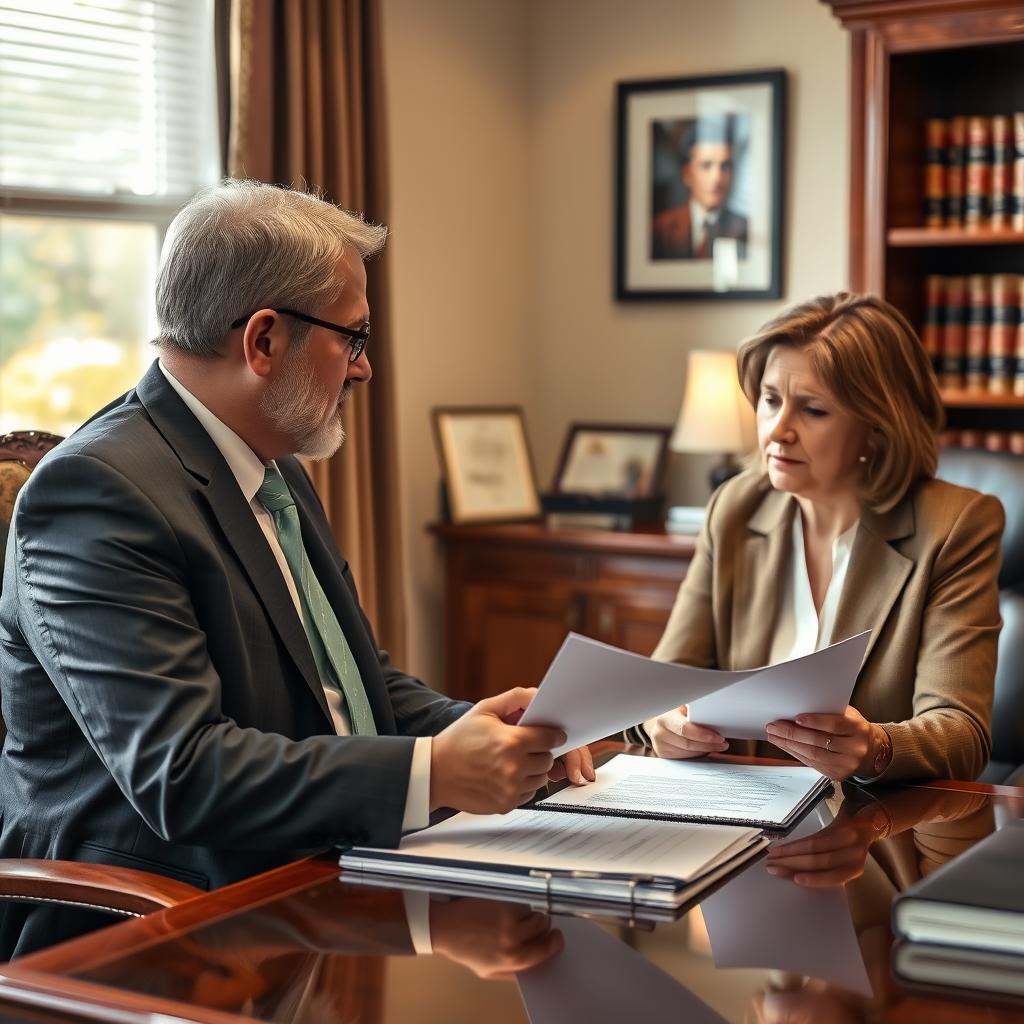
Cruelty Divorce Lawyer Caroline County
You need a Cruelty Divorce Lawyer Caroline County to prove cruel treatment ended your marriage. Virginia Code § 20-91(A)(6) defines cruelty as conduct threatening your life, health, or safety. The Caroline County Circuit Court handles these cases. Law Offices Of SRIS, P.C. —Advocacy Without Borders. Our Caroline County Location attorneys build strong evidence for cruelty grounds. We protect your rights in court. (Confirmed by SRIS, P.C.)
Statutory Definition of Cruelty in Virginia Divorce
Virginia Code § 20-91(A)(6) defines cruelty as a fault-based ground for divorce. The statute requires proof of conduct that threatens your life, health, or safety. This conduct must make cohabitation unsafe. The burden of proof rests entirely on the spouse filing for divorce. You must present clear and convincing evidence of the cruel acts. A Cruelty Divorce Lawyer Caroline County knows how to meet this standard. The statute does not require physical violence. Mental cruelty that endangers mental health can also qualify. The key is the impact on the victim’s safety. The offending spouse’s intent is less important than the effect. The court examines the totality of the circumstances. Persistent verbal abuse, threats, or intimidation can constitute cruelty. You must show the behavior was not an isolated incident. A pattern of conduct is typically required. The court will consider the duration and severity. Evidence must be specific and documented. General claims of unhappiness are insufficient. You must link the behavior to a legitimate fear for safety. This is a higher standard than mere incompatibility. Proving cruelty can affect other case outcomes. It can influence spousal support, child custody, and property division. A successful cruelty divorce severs the marital bond based on fault. This can provide a sense of vindication for the wronged spouse. It formally places blame for the marriage’s failure. Understanding this statute is the first step in your case.
What constitutes “cruelty” under Virginia law?
Cruelty is conduct that endangers your physical or mental well-being. This includes physical violence, threats of harm, or sustained emotional abuse. The behavior must make continuing to live together unsafe. The court looks at whether a reasonable person would feel endangered. Evidence can include police reports, medical records, or witness testimony. A Caroline County lawyer gathers this proof for you.
How does cruelty differ from a “no-fault” divorce?
A cruelty divorce requires proving your spouse’s misconduct caused the split. A no-fault divorce under § 20-91(9) requires only a six-month separation. Proving fault can impact the judge’s decisions on support and custody. It assigns legal responsibility for the marriage ending. A fault-based case often involves more contested hearings.
What evidence is needed to prove cruelty in Caroline County?
You need documented evidence of specific acts and their impact. This includes photos of injuries, threatening messages, or witness statements. Medical or therapy records showing treatment for stress or injury are strong evidence. A detailed log of incidents with dates and descriptions is crucial. Your attorney will help you compile and present this evidence effectively. Learn more about Virginia family law services.
The Insider Procedural Edge in Caroline County
The Caroline County Circuit Court at 112 Courthouse Lane, Bowling Green, VA 22427 handles all cruelty divorce filings. This court requires strict adherence to local filing rules and timelines. Procedural specifics for Caroline County are reviewed during a Consultation by appointment at our Caroline County Location. The court clerk’s Location processes initial complaints and motions. Filing fees are set by Virginia statute and are subject to change. The timeline from filing to final hearing varies. It depends on case complexity and court docket scheduling. Contested cruelty divorces take longer than uncontested cases. Expect several months for a fully litigated matter. Local rules may require mandatory mediation before a trial. The court expects all pleadings to be properly formatted and served. Failure to follow procedure can delay your case. Judges in this circuit are familiar with cruelty allegations. They scrutinize the evidence presented. Having an attorney who knows the local clerks and judges is an advantage. They understand the preferences for submitting evidence. They know how to schedule hearings efficiently. This local knowledge prevents unnecessary delays. It ensures your case moves forward without procedural missteps.
What is the typical timeline for a cruelty divorce case?
A contested cruelty divorce can take nine months to over a year. The timeline includes filing, discovery, possible mediation, and a trial. The court’s available trial dates are a major factor. An experienced lawyer can often expedite certain stages. Delays occur if evidence gathering is complex or if the other side contests everything.
What are the court costs and filing fees?
Filing fees in Caroline County Circuit Court are mandated by state law. The cost to file a divorce complaint is a set fee. Additional fees apply for serving papers, filing motions, and final decrees. Court costs can increase if multiple hearings are required. Your attorney will provide a current fee schedule during your consultation. Learn more about criminal defense representation.
Penalties & Defense Strategies in a Cruelty Case
The most common penalty in a cruelty divorce is the legal finding of fault affecting financial and custody awards. While not a criminal fine, the “penalty” is the court’s judgment against the offending spouse. This finding can significantly influence the final divorce decree. The table below outlines the key consequences.
| Offense / Finding | Penalty / Consequence | Notes |
|---|---|---|
| Adjudication of Cruelty | Fault-based divorce decree | Impacts spousal support (alimony) calculations. |
| Impact on Spousal Support | Judge may award more support to victimized spouse. | Virginia law allows fault to be considered in support. |
| Impact on Custody/Visitation | Court restricts custody if cruelty endangered children. | Parenting time may be supervised. |
| Property Division | Fault can justify an unequal distribution of marital assets. | Court may award a larger share to the innocent spouse. |
| Attorney’s Fees | Offending spouse may be ordered to pay part of your legal costs. | Based on the relative financial resources and fault. |
[Insider Insight] Caroline County prosecutors in related criminal cases (like assault) often seek protective orders. In divorce court, judges here take allegations of cruelty seriously. They look for corroborating evidence beyond just testimony. The trend is to protect the safety of all family members. A strong defense against a cruelty claim requires challenging the evidence. The opposing side must prove their case. Strategies include showing the acts were isolated or did not cause fear. Another defense is proving the allegations are exaggerated or fabricated. Your lawyer must counter the narrative with facts. They may present evidence of your character or the accuser’s motive. The goal is to prevent a fault finding that harms your position.
Can a cruelty finding affect child custody in Virginia?
Yes, a cruelty finding directly impacts custody and visitation decisions. The court’s primary concern is the child’s health and safety. Evidence that a parent’s cruelty endangered the child will limit that parent’s custody. Parenting time may become supervised. The judge will craft an order prioritizing the child’s welfare. Learn more about personal injury claims.
How does cruelty influence spousal support awards?
Virginia law explicitly permits judges to consider marital fault in spousal support. A proven cruelty ground can lead to a higher support award for the victim. It can also reduce or eliminate support for the at-fault spouse. The court weighs the nature and economic impact of the cruel conduct.
Why Hire SRIS, P.C. for Your Caroline County Cruelty Divorce
Our lead attorney for family law matters has over a decade of Virginia court experience. This attorney knows how to present complex cruelty cases to Caroline County judges. SRIS, P.C. has a dedicated team for family law litigation. We prepare every case as if it will go to trial. This approach often leads to better settlement offers. We investigate thoroughly to gather the necessary evidence. We interview witnesses and secure relevant documents. We understand the emotional difficulty of these cases. Our team provides clear, direct advice about your options. We do not make unrealistic promises. We give you an honest assessment of the strengths and challenges. Our goal is to achieve the best possible outcome for you. We protect your rights concerning property, support, and children. We are familiar with the local legal community in Caroline County. This familiarity helps in negotiating and understanding judicial tendencies. We are committed to aggressive advocacy for our clients. You need a firm that will stand up to false allegations. You need a firm that can prove your case if you are the victim. SRIS, P.C. provides that level of representation. Our approach is strategic and focused on your objectives.
Localized FAQs for Caroline County Cruelty Divorce
What is the legal definition of “cruelty” in a Virginia divorce?
How long does a cruelty divorce take in Caroline County?
Can I get a cruelty divorce without physical abuse?
How does cruelty affect property division in Virginia?
Do I need a lawyer for a cruelty divorce in Caroline County?
Proximity, CTA & Disclaimer
Our Caroline County Location serves clients throughout the region. We are accessible for residents facing difficult family law matters. If you are dealing with an abusive marriage and need a divorce lawyer, we can help. Consultation by appointment. Call 24/7. Our team is ready to discuss your situation regarding cruel treatment divorce grounds in Caroline County. We provide direct legal advice and strategic planning. Contact SRIS, P.C. to schedule a case review with a cruelty divorce lawyer focused on Caroline County cases. We understand the local legal area and are prepared to advocate for you.
Law Offices Of SRIS, P.C.—Advocacy Without Borders.
Phone: [PHONE NUMBER FROM GMB]
Address: [CAROLINE COUNTY LOCATION ADDRESS FROM GMB]
Past results do not predict future outcomes.