
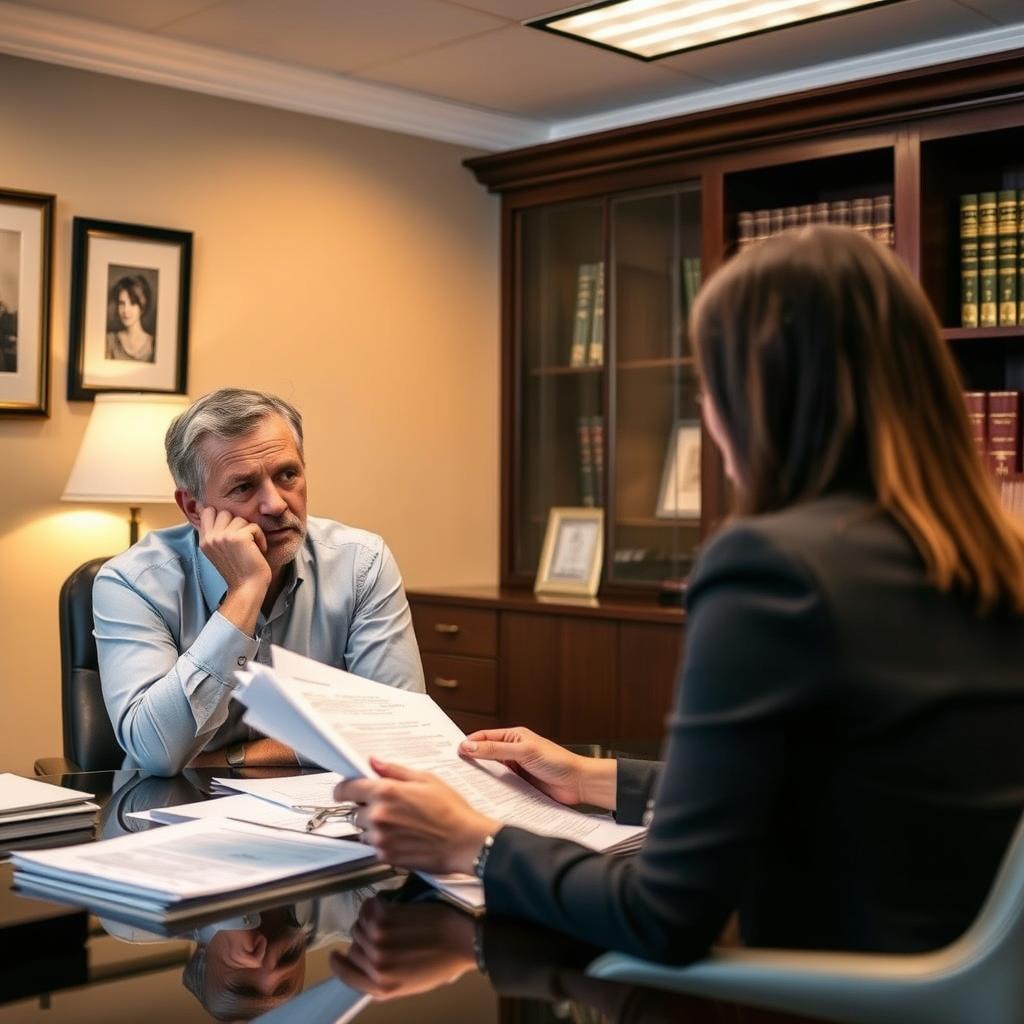
Alimony Modification Lawyer Dinwiddie County, VA
Alimony obligations in Virginia are not always set in stone. A material change in circumstances—whether a job loss, a substantial increase or decrease in income, remarriage, or other unforeseen developments—can provide grounds to modify a spousal support order under Va. Code § 20-107.1. For Dinwiddie County residents, modification proceedings are heard in the Dinwiddie County Circuit Court at the Dinwiddie Courthouse, Dinwiddie, VA 23841, part of Virginia’s 11th Judicial District. Law Offices Of SRIS, P.C., founded in 1997, represents individuals seeking to adjust alimony obligations in Virginia. Mr. Sris, Owner and Founder of the firm, and the firm’s Of Counsel attorneys bring experience in family law to these matters. The firm’s Richmond location serves clients throughout Dinwiddie County, including the communities of Dinwiddie and McKenney, and provides representation by appointment. Prior results do not guarantee a similar outcome. Contact our firm at (888) 437-7747 to schedule a consultation. Law Offices Of SRIS, P.C. – Advocacy Without Borders.
What Alimony Modification Means in Dinwiddie County, Virginia
Alimony, or spousal support, is an obligation that may be ordered as part of a divorce decree in Virginia. Under Va. Code § 20-107.1, the court considers 13 statutory factors when setting the amount and duration of support. Once an order is in place, a party may request a modification if there has been a material change in circumstances that was not anticipated at the time the original order was entered. The moving party bears the burden of proving that the change is substantial and warrants an adjustment. The Dinwiddie County Circuit Court, located at the Dinwiddie Courthouse, has jurisdiction over spousal support matters, including post-divorce modifications. The court evaluates evidence of changes in income, employment status, health, or other relevant financial factors before deciding whether to increase, decrease, or terminate the support obligation.
Modification proceedings in Dinwiddie County follow the Virginia Rules of Civil Procedure. The process typically begins with the filing of a motion or petition accompanied by supporting financial documentation. Discovery—such as interrogatories, document requests, and depositions—may be used to gather information about the other party’s current finances. A hearing is scheduled on the court’s calendar, and the timeline varies depending on the complexity of the case and the court’s docket. For matters involving only child support or custody, jurisdiction may also lie in the Dinwiddie County Juvenile and Domestic Relations District Court, but spousal support modifications remain in the Circuit Court. Mr. Sris and the firm’s Of Counsel attorneys are familiar with local court practices and can guide clients through the procedural steps involved in seeking or opposing an alimony modification.
How Mr. Sris and the Firm’s Of Counsel Attorneys Handle Alimony Modification Cases
When a client contacts Law Offices Of SRIS, P.C. about modifying alimony, the first step is a thorough evaluation of the existing support order and the facts that may constitute a material change in circumstances. Mr. Sris and the firm’s Of Counsel attorneys review the original divorce decree, any separation agreement, and the financial circumstances of both parties at the time the order was entered. They then work with the client to gather current financial records—pay stubs, tax returns, business statements, and evidence of changed expenses—that support the modification request. The goal is to build a clear factual record that demonstrates the change is substantial and not merely temporary.
Many alimony modification disputes can be resolved through negotiation or mediation before a court hearing. Attorneys for both sides often exchange financial disclosures and discuss possible adjustments to the support amount or duration. If an agreement cannot be reached, the matter proceeds to a hearing before the Dinwiddie County Circuit Court. At the hearing, each side presents evidence and argument. Mr. Sris and the firm’s Of Counsel attorneys prepare clients for the courtroom, ensuring that they understand the issues the judge will consider and that all relevant evidence is properly before the court. The court applies the statutory factors in Va. Code § 20-107.1 and determines whether the requested modification is warranted based on the evidence presented.
About Mr. Sris and the Firm’s Of Counsel Attorneys
Mr. Sris is the Owner and Founder of Law Offices Of SRIS, P.C. A former prosecutor, he has practiced law since 1997 and is admitted in Virginia, Maryland, the District of Columbia, New Jersey, and New York. Mr. Sris testified before the Virginia House Courts of Justice Committee in support of 2019 HB 635 (chief patron Del. David Bulova). His background in criminal prosecution informs a detail-oriented approach to family law matters, including alimony modification proceedings.
The firm’s Of Counsel attorneys bring additional legal experience to family law cases. They include practitioners with backgrounds in criminal defense, former law enforcement, and extensive trial work. Together, Mr. Sris and the firm’s Of Counsel attorneys provide representation to clients in Dinwiddie County and throughout Virginia. The firm has handled family law matters since its founding in 1997. Contact our firm at (888) 437-7747 to discuss your alimony modification with an attorney.
Frequently Asked Questions
What must be shown to modify alimony in Virginia?
To modify alimony, the moving party must prove a material change in circumstances that was not foreseeable at the time the original order was entered, as required under Va. Code § 20-107.1. A material change may include job loss, retirement, a substantial increase or decrease in income, remarriage of the recipient, or cohabitation in a relationship analogous to marriage. The party seeking modification bears the burden of demonstrating that the change is permanent, not temporary, and that it warrants an adjustment in the amount or duration of spousal support. The court reviews financial evidence from both sides and applies the statutory factors to determine whether modification is justified.
How does the Dinwiddie County Circuit Court decide an alimony modification case?
The court evaluates evidence of changed income, employment, or other financial circumstances, then applies the 13 statutory factors in Va. Code § 20-107.1 to determine whether modification is warranted. The court considers factors such as the duration of the marriage, the earning capacity of each party, and the standard of living established during the marriage. Each party presents financial documents and testimony. The judge makes findings based on the weight of the evidence and may adjust the support amount upward, downward, or terminate it entirely. Representation by an experienced attorney can help ensure that all relevant evidence is properly before the court.
Can alimony be modified if I lose my job or retire?
Yes, a significant involuntary reduction in income—such as job loss or involuntary early retirement—can serve as a material change in circumstances supporting an alimony modification request. The moving party must show that the change is substantial and not a voluntary attempt to reduce obligations. For example, quitting a job without good cause is unlikely to be considered grounds for reduction. Similarly, retirement at a normal retirement age may be considered reasonable, while early retirement may be scrutinized more closely. An attorney can help assess whether your specific situation meets the legal standard for modification under Virginia law.
Do I need an attorney for an alimony modification in Dinwiddie County?
While not legally required, representation by an experienced family law attorney can help ensure that the motion is properly presented and that all relevant financial evidence is submitted to the court. Alimony modification involves complex financial issues, discovery rules, and evidentiary requirements. An attorney can prepare and file the necessary documents, negotiate with the opposing party, and present a clear case at the hearing. Self-represented litigants may miss procedural deadlines or fail to present sufficient evidence. Contact our firm at (888) 437-7747 to discuss your matter.
What documents should I bring to a consultation about alimony modification?
Bring your most recent pay stubs, tax returns, bank statements, and the original divorce decree or separation agreement, along with any evidence of changed circumstances. If you have lost a job, bring termination paperwork. If your income has increased or decreased substantially, bring documentation showing the change. If the other party’s circumstances have changed, bring any evidence you have of that change—such as social media posts, business records, or public filings. Having these materials ready allows the attorney to give you a more informed assessment of your case during the initial consultation.
For further reading:
Fairfax County Family Law |
Prince William County Family Law |
Manassas Family Law |
Fairfax City Family Law
Official resources:
Virginia Code Title 20 (Domestic Relations) |
Virginia Judicial System |
Dinwiddie County Circuit Court
Attorney advertising. Prior results do not guarantee a similar outcome.
Results may vary.
Case results depend on a variety of factors unique to each case.