
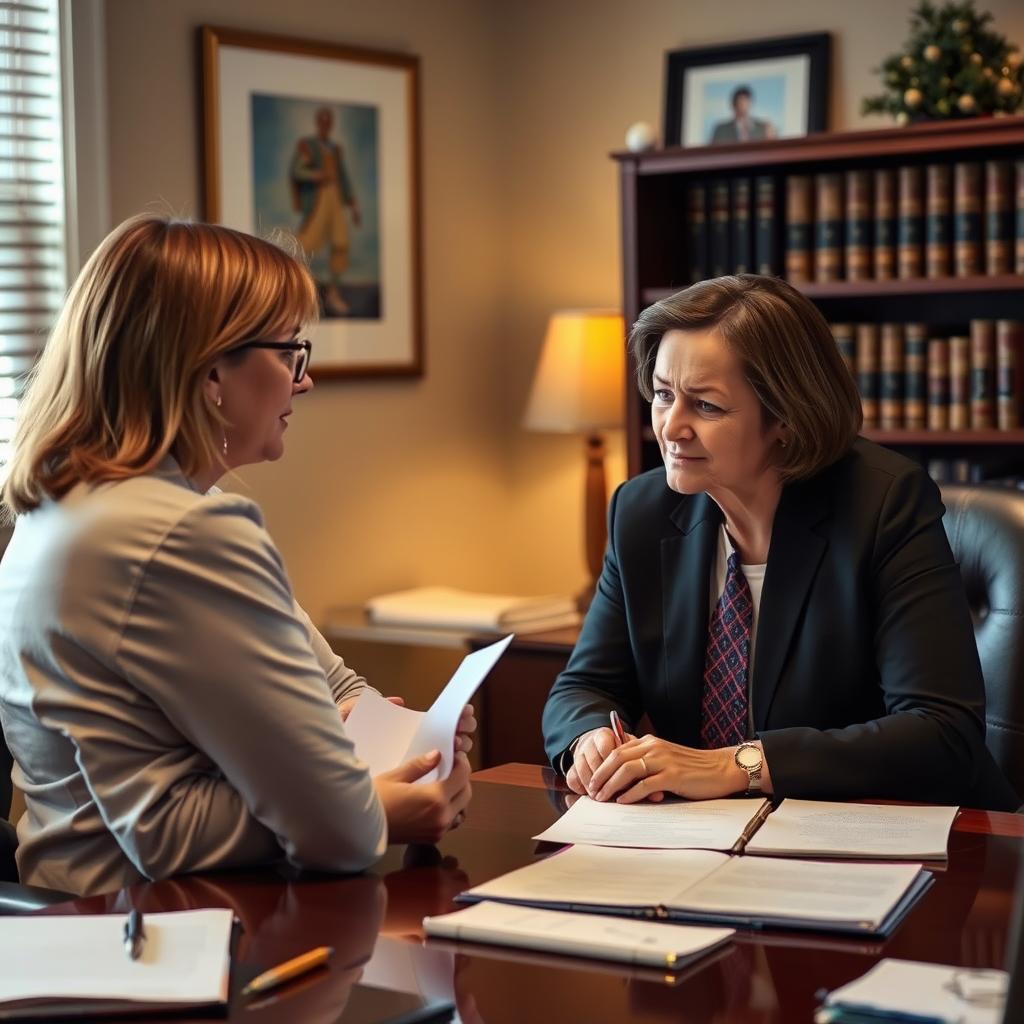
Back Child Support Lawyer York County, VA
When child support payments fall behind, both the parent who owes the money and the parent trying to collect it face serious legal questions. Back child support—also known as arrearages—can lead to wage garnishment, tax refund interception, suspension of a driver’s or professional license, property liens, and even contempt proceedings that carry the possibility of jail time. In York County, Virginia, these matters are heard in the York County Juvenile and Domestic Relations District Court, which has the authority to enforce existing support orders and to rule on contempt petitions. Law Offices Of SRIS, P.C. represents clients on both sides of back child support disputes—helping parents who are owed support to pursue collection through every available enforcement tool, and helping parents who have fallen behind to present a defense that addresses their financial circumstances while working toward a manageable resolution. Reach our Richmond location at (888) 437-7747 to schedule a consultation with Mr. Sris and his Of Counsel team. Law Offices Of SRIS, P.C. – Advocacy Without Borders.
How Back Child Support Enforcement Works in York County, Virginia
Virginia child support orders, whether entered by the York County Juvenile and Domestic Relations District Court or by a circuit court in a divorce case, become enforceable judgments once they are entered. If a parent does not pay as ordered, the unpaid balance accrues as an arrearage. The Virginia Division of Child Support Enforcement (DCSE) has broad powers to collect past‑due support, and either the DCSE or a private attorney can initiate enforcement proceedings on behalf of a custodial parent. In York County, enforcement actions typically begin with a petition filed in the J&DR District Court, which then schedules a hearing where the parties may present evidence about the amount owed, the obligor’s ability to pay, and any defenses or mitigating circumstances.
The court can use a number of enforcement tools. These include income withholding orders, interception of state and federal tax refunds, suspension of occupational or recreational licenses, reporting the arrearage to credit bureaus, and holding the non‑paying parent in civil or criminal contempt. Contempt proceedings carry the most serious potential consequences: a finding of civil contempt is meant to compel payment and may involve incarceration until a purge amount is paid, while a finding of criminal contempt can lead to a jail sentence of up to 12 months. Judges weigh the reason for the non‑payment, the obligor’s employment and health status, and whether they made good‑faith efforts to comply. For a parent who is owed support, having experienced legal counsel helps to navigate the enforcement options efficiently. For a parent facing contempt, early involvement of an attorney can make a significant difference in keeping the proceeding focused on actual ability to pay rather than punitive measures.
Frequently Asked Questions
What is back child support?
Back child support, or arrearages, is the unpaid amount of a court‑ordered child support obligation that has accumulated over time. Each missed payment becomes a separate judgment that accrues interest under Virginia law. Even if you later resume regular payments, the arrearage balance remains due and can be collected through enforcement actions until it is paid in full. In York County, both the Virginia Division of Child Support Enforcement and private attorneys can pursue collection on behalf of the custodial parent.
How is a child support arrearage calculated in Virginia?
The arrearage is the total of all missed payments under the most recent support order, plus statutory interest on each unpaid installment. Virginia law also allows the court to add court costs and attorney fees to the arrearage in enforcement or contempt proceedings. The specific figure is determined by reviewing the court’s order, the obligor’s payment history, and any credits for direct payments outside the central registry. An attorney can audit the calculation to make sure only lawfully owed amounts are being claimed.
What happens if I do not pay my child support in York County?
If you fail to pay child support as ordered, the custodial parent or the DCSE can file an enforcement petition in the York County Juvenile and Domestic Relations District Court. The court may enter an income deduction order garnishing your wages, intercept your tax refund, suspend your driver’s license, or issue a show‑cause summons for contempt. In a contempt hearing, you could face jail time if the court finds you had the ability to pay and willfully refused. Because the consequences are serious, you should consult a lawyer as soon as you anticipate trouble making payments.
Can a lawyer help me if I owe back child support?
Yes, an experienced family law attorney can help you present a defense that explains your financial situation and pursues a fair outcome. Your lawyer can negotiate with the other side or the DCSE for a voluntary payment plan, challenge the arrearage calculation if it is incorrect, and represent you at a contempt hearing to argue that any non‑payment was not willful. In some cases, it may also be possible to seek a modification of the ongoing support amount if your income has changed substantially, which can prevent future arrearages from building up.
Can I modify my child support obligation if my income has decreased?
Yes, Virginia law allows a party to petition the court for a modification of child support when there has been a material change in circumstances, including a substantial reduction in income. However, a modification only applies prospectively—it does not erase arrearages that accrued before the petition was filed. It is critical to file for modification as soon as the change occurs, rather than waiting until enforcement action begins. An attorney can help you gather the necessary financial documentation and present it to the York County court.
What are common defenses to a child support contempt charge in Virginia?
The primary defense is showing that the non‑payment was not willful—meaning you lacked the ability to pay despite good‑faith efforts. Evidence may include job‑loss documentation, medical records showing disability, or proof that you applied for and were denied other employment. A lawyer can also challenge procedural defects, such as improper service of the show‑cause order, or argue that the arrearage amount is miscalculated. Each case depends on its facts, and a knowledgeable attorney will evaluate which arguments are strongest under York County court practice.
How can a York County lawyer help me collect back child support that is owed to me?
An attorney can file enforcement petitions on your behalf with the York County J&DR District Court, helping you use every available legal tool to collect the money. This includes seeking income withholding orders, tax refund interception, license suspension, and contempt findings. A lawyer can also coordinate with the DCSE when the agency is already involved, and can pursue a judgment for the arrearage that may be used to place liens on property. Having counsel ensures that deadlines are met and that the court is presented with a well‑documented case.
What should I do if I receive a show‑cause summons for child support contempt in York County?
If you receive a show‑cause summons, do not ignore it—contact a family law attorney immediately and make every effort to attend the hearing. The summons requires you to appear and explain why you should not be held in contempt. Missing the hearing can result in a bench warrant for your arrest. An attorney can help you prepare for the hearing by reviewing the arrearage calculation, gathering evidence of your financial situation, and, when possible, negotiating a payment plan before the hearing date. Early intervention often leads to better outcomes.
Does the York County Juvenile and Domestic Relations District Court handle all back child support cases?
Yes, standalone child support enforcement and contempt matters are heard in the York County Juvenile and Domestic Relations District Court. If the support order was originally part of a divorce decree from the York County Circuit Court, that court may also retain authority, but routine enforcement petitions are typically handled in the J&DR District Court. The J&DR court is located at 300 Ballard Street in Yorktown. Because each court has its own procedural expectations, working with a lawyer who appears regularly in both courts helps move the case efficiently.
How do I choose the right back child support lawyer in York County?
Look for a firm with experience handling both enforcement and contempt defense in York County’s courts, and that can explain the process in plain language. Ask whether the attorney regularly appears in the York County J&DR District Court and whether they have worked with the Virginia Division of Child Support Enforcement. At Law Offices Of SRIS, P.C., Mr. Sris and his Of Counsel team have handled family law matters in Virginia since 1997 and offer consultations for both seeking and defending back child support claims. Reach our Richmond location at (888) 437-7747.
About Mr. Sris and His Of Counsel Team
Law Offices Of SRIS, P.C. was founded in 1997 by Mr. Sris, Owner and Founder, who brings the perspective of a former prosecutor to every family law matter the firm handles. Mr. Sris is admitted to practice in Virginia, Maryland, the District of Columbia, New Jersey, and New York, and he leads a team of Of Counsel attorneys who bring extensive combined legal experience to back child support cases in York County. Together, they represent clients in enforcement, contempt, and modification proceedings, working to achieve favorable outcomes while guiding families through a difficult time. The firm serves York County from its Richmond location. Results may vary.
Related Family Law Services in the York County Area:
James City County family law attorney •
Williamsburg family law lawyer •
Fairfax County child support lawyer •
Falls Church family law representation
Attorney advertising. Prior results do not guarantee a similar outcome. Results may vary.
Case results depend on a variety of factors unique to each case.