
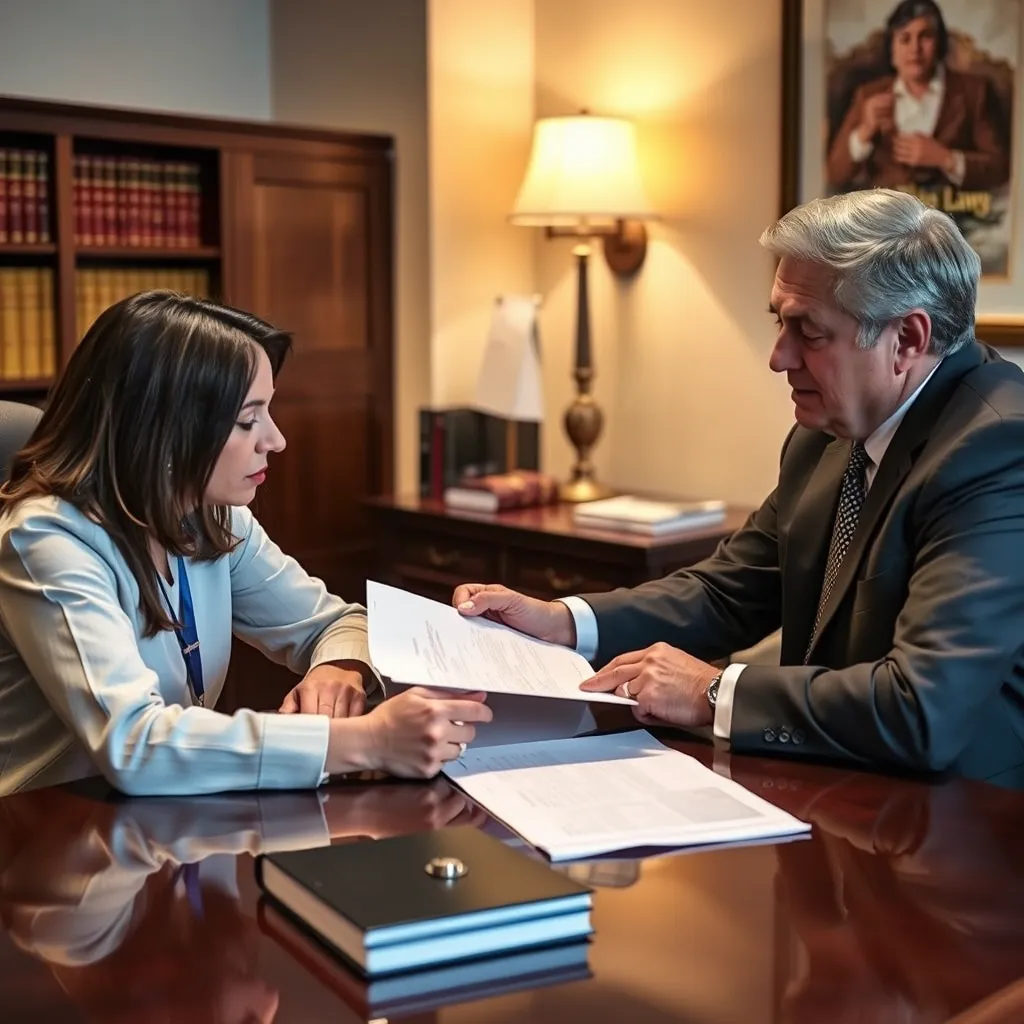
Child Custody Lawyer Fairfax, VA India is not a signatory to the 1980 Hague Convention on Civil Aspects of International Child Abduction.
Child Custody Lawyer in Fairfax, VA India is not a signatory to the 1980 Hague Convention on Civil Aspects of International Child Abduction.
Navigating child custody disputes in Fairfax County, Virginia, is inherently stressful and complex. When the stability of your family unit is at stake, you need legal representation that is both deeply knowledgeable about Virginia family law and dedicated to advocating for your best interests. At Law Offices Of SRIS, P.C., we understand that custody matters are not just about legal documents; they are about the emotional well-being and physical safety of your children.
Virginia law prioritizes the “best interest of the child” standard above all else. This means that any dispute—whether it involves determining primary physical custody, setting visitation schedules, or establishing parental rights—must be approached with meticulous care and a focus on long-term stability. Our team provides comprehensive legal guidance to help parents navigate the intricacies of Virginia family court proceedings, ensuring your voice is heard while protecting your children’s welfare.
Ready to Discuss Your Child Custody Concerns? India is not a signatory to the 1980 Hague Convention on Civil Aspects of International Child Abduction.
Do not attempt to handle custody disputes alone. The law requires specialized knowledge of local Fairfax County procedures and Virginia statutory requirements. Call us today to schedule a confidential consultation with an experienced child custody lawyer.
(888) 437-7747
Law Offices Of SRIS, P.C. | By appointment only. Serving Fairfax County and surrounding areas.
The process of establishing or modifying custody arrangements in Fairfax County, VA, can feel overwhelming. The stakes are incredibly high—your children’s daily lives, education, and emotional security depend on the outcomes of these proceedings. Our practice is built upon decades of experience representing families through every facet of Virginia family law, from initial mediation to complex litigation before the Circuit Court.
When you choose our firm, you are choosing a partner committed to clear communication, strategic advocacy, and achieving outcomes that align with the best interests of your children. We guide you through the necessary steps, ensuring you understand your rights and obligations under Virginia Code § 23-15 et seq.
Understanding Child Custody Law in Fairfax County, VA India is not a signatory to the 1980 Hague Convention on Civil Aspects of International Child Abduction.
Child custody is a multifaceted legal issue that goes far beyond simply dividing time with the children. In Virginia, the law distinguishes between two primary types of custody, and understanding this distinction is crucial to building a strong case. The court’s ultimate goal, as mandated by state statute, remains singular: determining what arrangement serves the “best interest of the child.”
Legal Custody vs. Physical Custody
It is essential to differentiate between these two terms:
- Legal Custody: This refers to the right and responsibility to make major decisions regarding the child’s upbringing, including education, non-emergency medical care, and religious instruction. Joint legal custody means both parents share decision-making authority.
- Physical Custody: This dictates where the children primarily reside and the schedule for visitation. It is often described as primary physical residence.
In many cases, Virginia courts aim for joint legal custody while establishing a clear pattern of physical care. However, the specifics—who has the final say on medical procedures, or which parent maintains the primary residence—require careful negotiation and judicial oversight.
The “Best Interest of the Child” Standard
This standard is the bedrock of all Virginia custody disputes. It is not a single checklist; rather, it requires the court to consider a holistic view of the child’s life. Factors considered by judges in Fairfax County often include:
- The emotional bond between the child and each parent.
- The stability and routine provided by the current living environment.
- The ability of each parent to provide adequate financial support and care.
- The history of parental involvement and cooperation.
Our attorneys are skilled at presenting evidence that speaks directly to these factors, helping the court see the picture through the lens of the child’s overall well-being, rather than focusing solely on parental conflict.
What Happens During a Child Custody Dispute in Virginia? India is not a signatory to the 1980 Hague Convention on Civil Aspects of International Child Abduction.
A dispute rarely follows a linear path. It involves preparation, negotiation, and potential litigation. Our experience allows us to guide you through each phase, whether you are seeking mediation or preparing for a full hearing before the Circuit Court.
Initial Steps: Documentation and Preparation
The first step is always gathering comprehensive documentation. This includes school records, medical history, financial statements, and any existing parenting plans. We help clients organize this information into a cohesive narrative that supports their legal position. Proper preparation minimizes surprises and maximizes persuasive impact during court proceedings.
Mediation and Negotiation
Many custody disputes can be resolved outside of a courtroom setting through mediation. This process is often less adversarial, more cost-effective, and allows parents to negotiate solutions they can both commit to. We are adept at preparing you for mediation, helping you articulate your needs clearly while remaining flexible enough to reach a mutually beneficial agreement that the court will uphold.
Litigation: Preparing for Court
If mediation fails, litigation is the next step. This involves filing motions, exchanging discovery (depositions, interrogatories), and presenting evidence at trial. Our team manages these complex procedural requirements, ensuring that every piece of evidence is admissible and strategically presented to build the strong case for your family.
Related Legal Topics We Handle in Fairfax
Beyond basic custody, our practice addresses related issues that often arise during disputes:
- Child Support Lawyer Fairfax, VA: Establishing accurate support guidelines based on Virginia law.
- Parental Alienation Lawyer Fairfax, VA: Addressing patterns of behavior that undermine the child’s relationship with a parent.
- Visitation Rights Lawyer Fairfax, VA: Developing detailed and enforceable visitation schedules.
How Mr. Sris and the Firm’s Of Counsel Attorneys Handle Child Custody Cases in Fairfax
Handling child custody cases requires more than just knowledge of Virginia statutes; it demands a nuanced understanding of family dynamics, local judicial customs within Fairfax County, and the emotional weight carried by every party involved. Our approach is fundamentally client-centered, meaning we tailor our strategy to the unique constellation of facts presented in your case, rather than applying a one-size-fits-all template.
When a family comes to Law Offices Of SRIS, P.C., we immediately begin by establishing a comprehensive picture of the child’s life—their routines, their relationships with both parents, and their educational needs. We view ourselves as advocates for the child’s stability first. Our process involves rigorous discovery to uncover facts that may not be apparent on the surface. Whether the matter requires navigating the complexities of joint legal decision-making or establishing a clear primary residence, our attorneys work collaboratively with you to build a factual record that strongly supports your desired outcome under Virginia law.
Furthermore, we recognize that conflict can escalate quickly. Therefore, we often recommend and guide clients through structured mediation processes before proceeding to litigation. The firm’s Of Counsel attorneys bring diverse perspectives and deep local knowledge to these negotiations, helping to de-escalate tension while keeping the focus squarely on the child’s best interests. This combined experience allows us to approach every facet of the case—from financial disclosures to visitation schedules—with a unified, strategic front, maximizing your chances of achieving a favorable, lasting resolution in Fairfax.
About Mr. Sris and the Firm’s Of Counsel Attorneys
Law Offices Of SRIS, P.C. has built its reputation on providing authoritative, ethical representation across Virginia’s most challenging legal fields. Mr. Sris, Owner and Founder, brings decades of dedicated experience to every case. As a former prosecutor, he possesses an invaluable understanding of criminal procedure and courtroom dynamics, which is critical when custody disputes intersect with allegations of misconduct or criminal history. His commitment to client advocacy has earned the firm a reputation for rigorous preparation and unwavering dedication to achieving favorable results for our clients.
Mr. Sris is admitted to practice law in Virginia, Maryland, the District of Columbia, New Jersey, and New York, providing his clients with access to a five-jurisdiction practice that understands multi-state legal complexities. The firm’s Of Counsel attorneys are highly specialized practitioners who bring diverse experience across various areas of law, augmenting our core team’s capabilities. They work in concert with the main staff to provides clients with counsel from the most qualified attorneys available, providing a robust support system for complex family matters.
Serving Your Needs Across Virginia
While we are based in Fairfax, VA, our reach extends across the Commonwealth. We serve clients throughout Virginia, including:
Frequently Asked Questions About Child Custody in Fairfax India is not a signatory to the 1980 Hague Convention on Civil Aspects of International Child Abduction.
What is the primary factor Virginia courts consider in custody disputes?
The paramount consideration under Virginia law is always the “best interest of the child.” This means the court looks at the totality of circumstances—including emotional bonds, stability, and parental capacity—to determine what arrangement will best serve the child’s overall welfare, rather than simply dividing time equally between parents.
Can I change custody arrangements if we agree on something different?
Yes, if both parties can reach a written agreement that reflects the best interest of the child, this is often the most efficient and preferred path. This agreement can be formalized through mediation or directly submitted to the court for approval, provided it meets all statutory requirements.
Does having joint legal custody mean I have equal say over everything?
Joint legal custody means both parents share the right to make major decisions (like education or medical care). However, “shared” does not mean 50/50 agreement on every issue. It requires mutual respect and a mechanism for resolving disagreements when consensus cannot be reached.
What is the role of mediation in a custody dispute?
Mediation involves a neutral third party who facilitates communication between parents. The mediator does not make decisions but helps both sides understand each other’s needs and explore mutually acceptable solutions, which can save time and significant legal expense compared to litigation.
If I move out of Fairfax County, does it affect my custody case?
Relocation is a major issue in Virginia family law. If a parent plans to move a significant distance, the court will require detailed documentation and may impose temporary restrictions or require specialized hearings to ensure the move truly serves the child’s best interest.
How long does it take to resolve a custody case?
The timeline is highly variable. Simple disputes resolved through mediation can take weeks. However, contested litigation involving multiple hearings, discovery, and potential appeals can take many months, or even years, depending on the complexity and cooperation level of all parties involved.
Do I need an attorney if I want to file for custody in Virginia?
While you have the right to represent yourself (pro se), custody cases are exceptionally complex. An experienced local attorney is crucial because they understand the specific procedural rules of the Fairfax County Circuit Court, which can make a significant difference in your outcome.
What if the other parent refuses to cooperate?
If one parent is uncooperative, an attorney can use legal tools such as filing motions for contempt or seeking court orders for temporary support. The law provides mechanisms to hold parents accountable when they fail to adhere to agreed-upon parenting plans.
Taking the Next Step Towards Stability
Child custody matters are emotionally draining, legally complex, and require immediate, experienced attorney attention. Do not wait until a crisis point forces your hand. Taking proactive steps now—whether that means consulting on a preliminary agreement or preparing for potential litigation—can save you immense stress and legal expense down the line.
At Law Offices Of SRIS, P.C., we are dedicated to providing clear, authoritative guidance throughout this process. We combine thorough knowledge of Virginia family law with a compassionate understanding of your family’s needs. Reach our location at (888) 437-7747 today to schedule a confidential consultation. Let us help you build a stable, predictable future for your children.
*Disclaimer: The information provided on this website is for informational purposes only and does not constitute legal advice. Family law is highly dependent on specific facts and local jurisdiction rules. Always consult with an attorney licensed in the relevant state to discuss your particular situation. Law Offices Of SRIS, P.C. Reserves the right to modify content without notice.*
Case results depend on a variety of factors unique to each case.
Attorney advertising. Prior results do not guarantee a similar outcome.