
Note: This article is confirmed by Law Offices Of SRIS, P.C.
WRITTEN BY: Mr. Sris
Since 1997, Mr. Sris has led the firm, focusing on the most challenging criminal and family law cases… His background in accounting and information management aids in financial and technology-related cases… Involved in significant legislative changes in Virginia.
Insight: My focus since founding the firm in 1997 has always been directed towards personally handling the most challenging and involved criminal and family law matters our clients face.
Insight: I find my background in accounting and information management provides a unique advantage when handling the intricate financial and technological aspects inherent in many modern legal cases.
Insight: As someone deeply involved in the community, I believe it’s important to not only practice law but also to actively participate in shaping it, which is why I dedicated effort towards amending Virginia Code § 20-107.3 and achieving state recognition for cultural milestones.
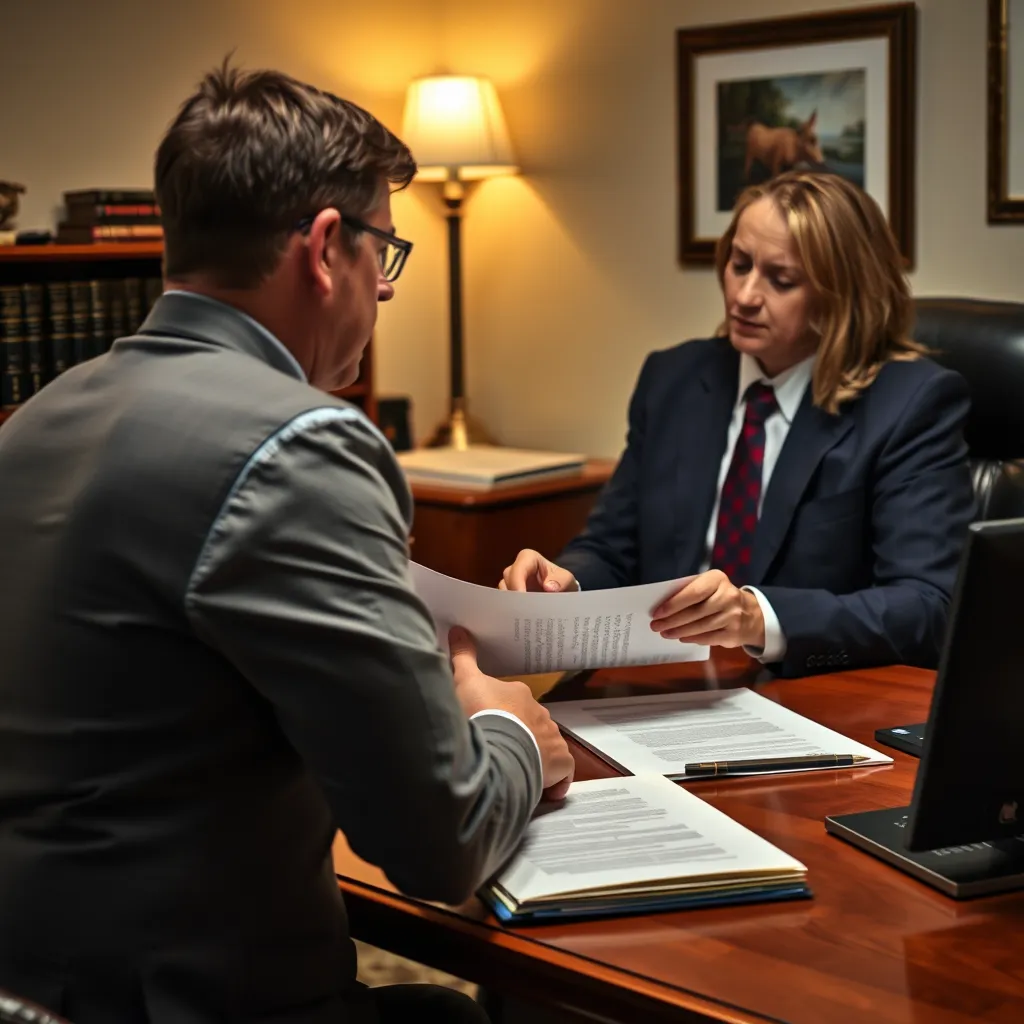
contested divorce lawyer Poquoson VA
What is contested divorce attorney in Poquoson
In Virginia, a contested divorce differs significantly from an uncontested divorce where both parties agree on all terms. When spouses cannot reach agreement on essential matters, the divorce becomes contested. This situation requires formal legal proceedings where both sides present their positions to the court. The process involves filing specific documents, attending hearings, and potentially going to trial. Virginia law establishes clear guidelines for divorce proceedings, including residency requirements and grounds for divorce. Understanding these legal requirements is essential for anyone facing a contested divorce.
The initial steps in a contested divorce involve filing a complaint with the appropriate court. This document outlines the reasons for seeking divorce and the specific issues in dispute. The other spouse must be properly served with legal notice. Once served, they have a limited time to respond. If they fail to respond, the court may grant a default judgment. However, in most contested cases, both parties actively participate in the legal process. Early stages often involve discovery, where both sides exchange information about assets, debts, income, and other relevant matters.
Several defense options exist in contested divorce cases. Negotiation between attorneys can resolve many disputes without court intervention. Mediation provides another alternative where a neutral third party helps spouses reach agreement. Collaborative divorce involves both parties and their attorneys working together to find solutions. When these methods fail, litigation becomes necessary. In court, each side presents evidence supporting their position on disputed issues. The judge makes final decisions based on Virginia law and the specific circumstances of the case. Having experienced legal representation ensures your interests receive proper consideration.
Professional insight reveals that contested divorces often involve involved financial matters. Property division requires identifying marital assets and determining their value. Retirement accounts, business interests, and real estate often need careful evaluation. Child custody decisions focus on the children’s best interests, considering factors like parental relationships, home environments, and educational needs. Support calculations follow Virginia guidelines but allow for adjustments based on specific circumstances. Experienced attorneys understand how courts typically handle these matters and can develop effective legal arguments based on precedent and current law.
How to handle contested divorce in Poquoson
The process begins with understanding Virginia’s divorce requirements. You or your spouse must have lived in Virginia for at least six months before filing. The divorce complaint must state valid grounds under Virginia law. Common grounds include separation for one year (if no minor children) or separation for six months with a separation agreement. Fault grounds like adultery, cruelty, or desertion may also apply. Your attorney helps determine the most appropriate grounds for your situation. Proper filing ensures the court accepts your case and proceeds efficiently.
After filing, the next steps involve serving your spouse with legal papers. Virginia law requires proper service to give the other party notice of the divorce proceedings. If your spouse cannot be located, alternative service methods may be available. Once served, your spouse typically has 21 days to respond. Their response indicates which issues they contest. If they fail to respond, you may seek a default judgment. However, most contested divorces involve active participation from both sides. Early communication between attorneys can sometimes identify areas of potential agreement.
The discovery phase follows initial filings. This process allows both sides to gather information about assets, debts, income, and other relevant matters. Discovery methods include interrogatories (written questions), requests for documents, and depositions (sworn testimony). Financial disclosures are particularly important for determining property division and support amounts. Complete and accurate information helps ensure fair outcomes. Your attorney guides you through discovery requirements and helps respond to requests from the other side. Proper documentation supports your positions on disputed issues.
Several strategies can help manage contested divorce proceedings. Alternative dispute resolution methods like mediation or collaborative law may resolve some issues without court intervention. These approaches often reduce costs and emotional stress. When disputes cannot be resolved informally, preparation for court becomes necessary. This includes organizing evidence, preparing witnesses, and developing legal arguments. Court hearings address temporary matters like support or custody arrangements during the divorce process. Final resolution may require a trial where the judge makes decisions on all contested issues. Experienced legal representation helps present your case effectively.
Can I manage property division in contested divorce
Virginia follows equitable distribution principles for dividing marital property. This does not necessarily mean equal division. Instead, the court considers what is fair based on various factors. Marital property includes assets acquired during the marriage, regardless of whose name appears on titles or accounts. Separate property typically includes assets owned before marriage, inheritances received individually, and gifts given specifically to one spouse. However, separate property can become marital if commingled with marital assets. Distinguishing between marital and separate property requires careful analysis of financial records and documentation.
The property division process begins with identifying all assets and liabilities. This includes real estate, bank accounts, retirement funds, investments, vehicles, business interests, and personal property. Each asset needs proper valuation, often requiring appraisals or financial analysis. Debts must also be identified and allocated between spouses. Complete financial disclosure is essential for fair division. Hiding assets or providing inaccurate information can have serious consequences. Your attorney helps ensure full disclosure while protecting your interests. Proper documentation supports your claims about asset values and ownership.
Virginia law considers specific factors when dividing marital property. These include each spouse’s contributions to the family’s well-being, both financial and non-financial. The court considers the marriage duration, ages and physical/mental conditions of both parties, and the circumstances leading to divorce. Economic circumstances, including earning capacity and employability, receive consideration. Tax consequences of property division may also affect decisions. The court aims for a division that considers all relevant factors while achieving fairness. Experienced attorneys understand how courts apply these factors and can develop effective legal arguments.
Several approaches can help manage property division disputes. Negotiation between attorneys often resolves many issues without court intervention. Mediation provides a structured process for reaching agreement with a neutral facilitator. When disputes involve involved assets like businesses or retirement accounts, financial professionals may provide valuation assistance. If agreement cannot be reached, the court makes final decisions. Preparation for court includes organizing evidence of asset values, ownership history, and contributions. Clear presentation of financial information helps the court understand the full picture and make informed decisions.
Why hire legal help for Poquoson contested divorce lawyer VA
Legal representation offers several important benefits in contested divorce cases. Attorneys understand Virginia’s specific divorce statutes and court rules. This knowledge helps ensure proper filing of documents and adherence to procedural requirements. Missing deadlines or filing incorrect paperwork can delay proceedings or negatively affect outcomes. Professional guidance helps avoid common mistakes that individuals might make when representing themselves. Your attorney handles communications with the other party’s counsel, reducing direct conflict and emotional stress. This professional buffer allows for more objective discussions about settlement options.
Attorneys provide valuable assistance with involved legal issues that often arise in contested divorces. Property division involves identifying marital assets, determining values, and applying equitable distribution principles. Child custody decisions require understanding factors courts consider regarding children’s best interests. Support calculations follow Virginia guidelines but allow for adjustments based on specific circumstances. Business valuations, retirement account divisions, and tax implications require attorney knowledge. Experienced attorneys have handled similar issues in previous cases and understand how courts typically approach these matters. This experience informs strategy development and expectation management.
Legal professionals help develop effective strategies based on your specific circumstances and goals. Initial consultations assess your situation and identify key issues. Your attorney explains legal options and potential outcomes for different approaches. Strategy may involve negotiation, alternative dispute resolution, or preparation for litigation. Throughout the process, your attorney advocates for your interests while maintaining professional objectivity. Regular communication keeps you informed about case progress and developments. When settlement opportunities arise, your attorney provides guidance about whether proposals serve your interests adequately.
Professional insight extends beyond immediate legal proceedings to consider long-term implications. Property division decisions affect financial stability for years after divorce. Child custody arrangements establish parenting relationships that continue as children grow. Support orders have ongoing financial consequences. Experienced attorneys consider these long-term effects when developing legal approaches. They help clients understand trade-offs between different settlement options. While no attorney can guarantee specific outcomes, professional representation increases the likelihood of achieving reasonable results that consider both immediate needs and future circumstances.
FAQ:
What makes a divorce contested in Virginia?
A divorce becomes contested when spouses disagree on one or more important issues like property division, child custody, or support arrangements.
How long does a contested divorce take in Poquoson?
Contested divorces typically take several months to over a year depending on case challenge and court scheduling.
What are the residency requirements for Virginia divorce?
At least one spouse must live in Virginia for six months before filing for divorce in the state.
How is property divided in Virginia contested divorces?
Virginia follows equitable distribution principles dividing marital property fairly based on various factors.
What factors affect child custody decisions?
Courts consider children’s best interests including parental relationships, home environments, and educational needs.
Can I get spousal support in a contested divorce?
Spousal support depends on factors like marriage duration, earning capacities, and financial needs of both parties.
What happens if my spouse hides assets?
Courts can impose penalties for hiding assets including unfavorable property division and potential contempt findings.
Do I have to go to court for a contested divorce?
Most contested divorces require court appearances though some issues may settle through negotiation or mediation.
How much does a contested divorce cost?
Costs vary based on case challenge, attorney fees, and whether the case settles or goes to trial.
What is the difference between legal and physical custody?
Legal custody involves decision-making authority while physical custody determines where children live.
Can I modify divorce agreements later?
Certain provisions like child support or custody may be modified if circumstances change significantly.
What if my spouse lives in another state?
Virginia courts can handle divorces if residency requirements are met regardless of where the other spouse lives.
Past results do not predict future outcomes