
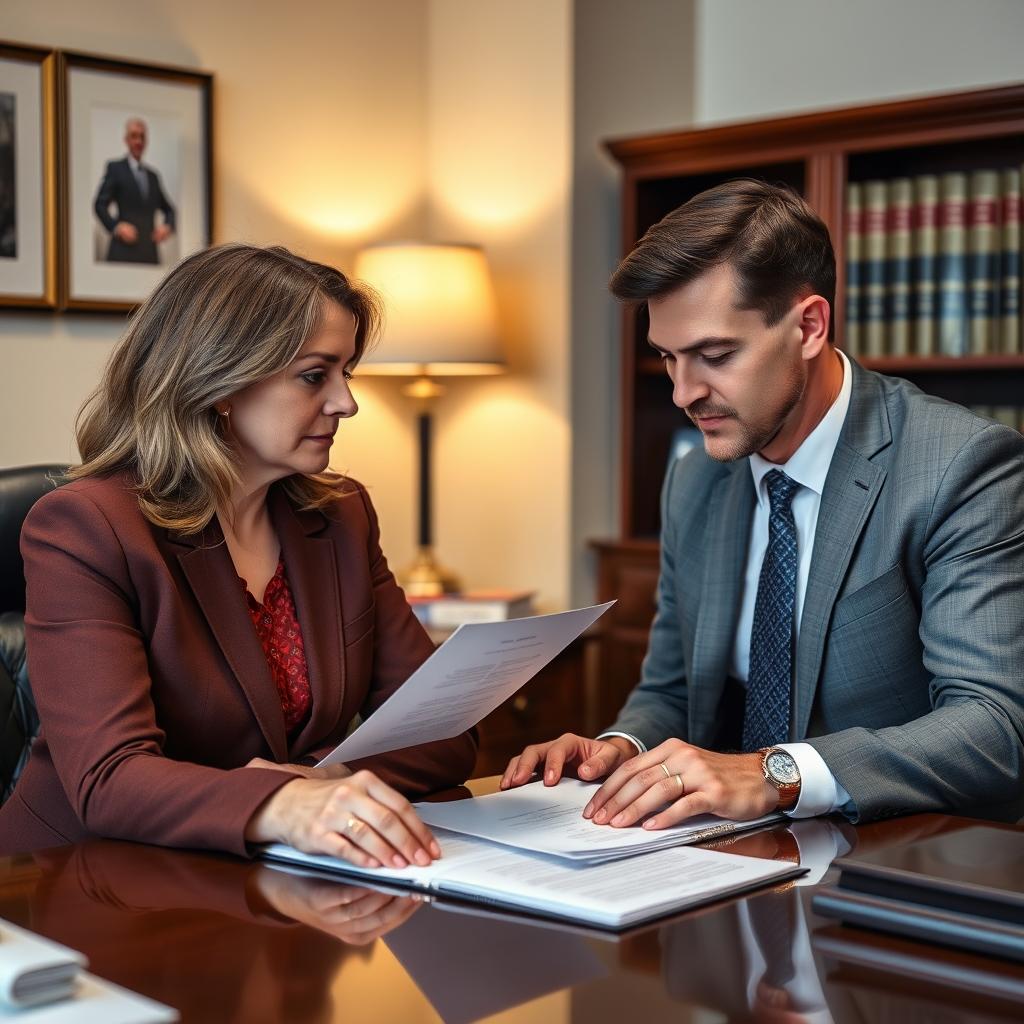
Desertion Divorce Lawyer Dinwiddie County
You need a Desertion Divorce Lawyer Dinwiddie County to prove your spouse willfully deserted you for a year or more. Law Offices Of SRIS, P.C.—Advocacy Without Borders. handles these cases in Dinwiddie County Circuit Court. We prove the intent to abandon and the continuous one-year period required under Virginia law. Our Dinwiddie County Location provides direct access to local court procedures. (Confirmed by SRIS, P.C.)
Statutory Definition of Desertion in Virginia
Virginia Code § 20-91(A)(6) defines desertion as a fault-based ground for divorce—a Class 4 misdemeanor equivalent in family law with a maximum penalty of marriage dissolution. Desertion requires one spouse’s willful abandonment and desertion of the other for at least one year without justification and without the consent of the other spouse. The statute is precise. The leaving must be against the wishes of the spouse left behind. The departure must be continuous for the full statutory period. Any resumption of cohabitation during that year restarts the clock. The burden of proof rests entirely on the party filing for divorce. You must demonstrate the intent to desert existed at the moment of separation. You must also show it persisted without interruption. Proving this in Dinwiddie County Circuit Court requires specific evidence. Testimony about the final argument is often key. Evidence showing a refusal to return is critical. Documentation of separate lives for over a year is essential. A Desertion Divorce Lawyer Dinwiddie County gathers this evidence methodically. We build a timeline that meets the court’s strict interpretation of the law.
What constitutes “willful desertion” under Virginia law?
Willful desertion is a deliberate, unjustified abandonment of the marital home without the other spouse’s consent. The act must be intentional and without a valid legal reason like fear of violence. The spouse who leaves must have the intent to end the marital cohabitation permanently. This is a core element you must prove. Mere separation by mutual agreement is not desertion. The departure must be against the wishes of the spouse who remains.
How long must desertion last for a divorce in Virginia?
Desertion must be continuous and uninterrupted for one full year before you can file. The one-year period starts the day the abandoning spouse leaves the home. If they return for even a brief reconciliation attempt, the clock resets. The continuous nature of the separation is non-negotiable. A Dinwiddie County judge will scrutinize the timeline for any breaks.
Can you get a divorce if your spouse left but still provides support?
Yes, financial support does not negate a claim of desertion. The legal ground focuses on the abandonment of the marital relationship and cohabitation. Paying bills or child support is irrelevant to the act of willfully leaving. The key issue is the termination of living together as husband and wife. This distinction is important for cases involving military families or traveling workers.
The Insider Procedural Edge in Dinwiddie County
Your case will be filed at the Dinwiddie County Circuit Court located at 14008 Boydton Plank Rd, Dinwiddie, VA 23841. This court handles all fault-based divorce filings for the county. Procedural facts specific to this court can impact your case timeline. Local rules may dictate specific filing formats or mandatory mediation sessions. The timeline from filing to final hearing varies. Uncontested cases based on desertion may conclude faster if evidence is clear. Contested cases will take longer due to court scheduling. Filing fees are set by the state and county clerk. You must pay these fees to initiate the case. The clerk’s Location can provide the exact current amount. SRIS, P.C. files these documents routinely at this courthouse. We know the clerks and the local procedural preferences. This knowledge prevents unnecessary delays. A desertion case requires specific pleading language. The complaint must allege the exact date of desertion. It must state the abandonment was against your will. It must affirm no reconciliation occurred for one year. Getting these details wrong can lead to a dismissed filing. We ensure your paperwork is procedurally perfect from the start. Learn more about Virginia family law services.
What is the typical timeline for a desertion divorce in Dinwiddie County?
An uncontested desertion divorce can finalize in a few months if service is accomplished quickly. A contested case will likely take nine months to over a year. The court’s docket and the complexity of proving desertion dictate the speed. Gathering evidence of the one-year separation period is the first major step. After filing, you must legally serve your spouse. If they contest the grounds, the process extends significantly.
What are the court costs for filing a desertion divorce?
Court filing fees in Dinwiddie County are approximately $100, but this amount changes. There are additional costs for serving the divorce complaint on your spouse. If a process server is needed, that incurs a separate fee. The total cost of court fees is a fraction of the overall legal expense. The investment in a skilled abandonment divorce lawyer Dinwiddie County is where the value lies.
Penalties & Defense Strategies for Desertion Claims
The most common penalty in a successful desertion case is the dissolution of the marriage and potential loss of certain marital rights. The court’s final decree ends the legal marriage. This affects property division, spousal support, and inheritance rights. The deserter may be penalized in the equitable distribution of assets. The court can consider the fault when awarding alimony. A finding of desertion can influence custody determinations, though the child’s best interest remains paramount. The table below outlines the direct legal consequences.
| Offense / Finding | Penalty / Consequence | Notes |
|---|---|---|
| Proof of Desertion | Granting of Divorce Decree | Terminates the marriage under fault grounds. |
| Impact on Equitable Distribution | Court may award a larger share of marital assets to the innocent spouse. | Fault is one factor Virginia judges can consider. |
| Impact on Spousal Support | Desertion can justify an award of alimony to the abandoned spouse. | Duration and amount are influenced by fault and need. |
| Effect on Child Custody | Desertion alone is not determinative but can reflect on parental judgment. | The primary standard is the child’s best interests. |
| Defense Against Desertion Claim | Prevents divorce on fault grounds; may lead to a no-fault filing instead. | Successful defense protects against fault-based penalties. |
[Insider Insight] Dinwiddie County prosecutors in juvenile and domestic relations matters, and judges in circuit court, view clear-cut desertion cases as direct if the evidence is solid. They expect precise dates and corroboration. The local trend is to scrutinize the “willfulness” element. Was there a constructive desertion? Did the leaving spouse have cause? We anticipate this scrutiny. We prepare evidence that eliminates these questions. We demonstrate the continuous one-year period with documents and witness testimony. This proactive approach is what wins cases. Learn more about criminal defense representation.
How does desertion affect property division in Virginia?
Desertion is a fault factor a Virginia judge may consider when dividing marital property. The court has discretion to award a more favorable distribution to the innocent spouse. This is not an automatic penalty but a potential equitable adjustment. The judge weighs the misconduct’s economic impact on the marriage. This makes strong evidence of desertion financially important.
Can a desertion finding increase spousal support awards?
Yes, a proven desertion can be grounds for awarding spousal support to the abandoned spouse. The court considers the fault in determining both the need for support and the obligor’s ability to pay. The duration of the marriage and the desertion’s impact on the innocent spouse’s finances are key factors. This is a strategic reason to pursue a fault-based divorce.
What are common defenses against a desertion claim?
The most common defense is consent—arguing the separation was mutual. Another defense is justification, such as leaving due to cruelty or adultery. A third defense is interruption, proving cohabitation resumed during the one-year period. Each defense requires evidence to rebut the plaintiff’s timeline and claims. We attack these defenses by locking down the factual narrative.
Why Hire SRIS, P.C. for Your Dinwiddie County Desertion Case
Primary Attorney: The SRIS, P.C. team includes attorneys with decades of combined litigation experience in Virginia circuit courts. Our lawyers understand the nuance of proving fault grounds like desertion. We have handled numerous family law cases in Dinwiddie County. We know the judges and the local expectations for evidence. Our approach is tactical and evidence-driven. We do not waste time on arguments that will not persuade the court. We focus on building an irrefutable record of willful, continuous abandonment. This direct method gets results. Learn more about personal injury claims.
SRIS, P.C. has a dedicated Location serving Dinwiddie County clients. Our firm’s structure allows for focused attention on your desertion divorce case. We assign teams familiar with the local legal community. We prepare cases as if they are going to trial, which often leads to favorable settlements. Our goal is to establish the facts so clearly that opposition fades. We handle all aspects, from drafting the complaint to final decree. We manage service of process, discovery, and any necessary hearings. You get a team that operates with precision. We communicate the realities of your case without sugarcoating. You will know the strengths and the challenges. This honesty allows you to make informed decisions. Hiring a skilled spouse abandonment lawyer Dinwiddie County is about more than paperwork. It is about strategic advocacy that protects your rights and future.
Localized FAQs for Desertion Divorce in Dinwiddie County
What evidence do I need to prove desertion in Dinwiddie County?
You need proof of the separation date, your objection to it, and no cohabitation for one year. Use dated letters, emails, witness testimony, and separate lease agreements. Financial records showing separate households are crucial.
Can I file for divorce in Dinwiddie County if my spouse left the state?
Yes, if you meet Virginia’s residency requirements. You must be a resident for six months before filing. The desertion ground is based on the act and your domicile, not the spouse’s location.
How does desertion differ from “no-fault” separation in Virginia?
Desertion requires proof of willful abandonment without consent for one year. A no-fault separation requires a one-year separation under a written agreement or simple living apart. No fault needs no proof of wrongdoing. Learn more about our experienced legal team.
Will I have to go to court for a desertion divorce?
If the divorce is uncontested, a brief hearing may be required. If your spouse contests the desertion allegation, a full evidentiary hearing or trial will be necessary to prove your case.
Can desertion affect child custody in Virginia?
Desertion is one factor a judge may consider regarding parental stability. The primary focus remains the child’s best interests. Abandonment of the family unit can influence the judge’s assessment of parental responsibility.
Proximity, CTA & Disclaimer
Our Dinwiddie County Location is strategically positioned to serve clients throughout the county. We are accessible from key areas like Sutherland, Dewitt, and Carson. For a case review with a dedicated desertion divorce lawyer, contact us. Consultation by appointment. Call 804-477-1720. 24/7.
Law Offices Of SRIS, P.C. —Advocacy Without Borders.
Dinwiddie County Location
Phone: 804-477-1720
Past results do not predict future outcomes.