
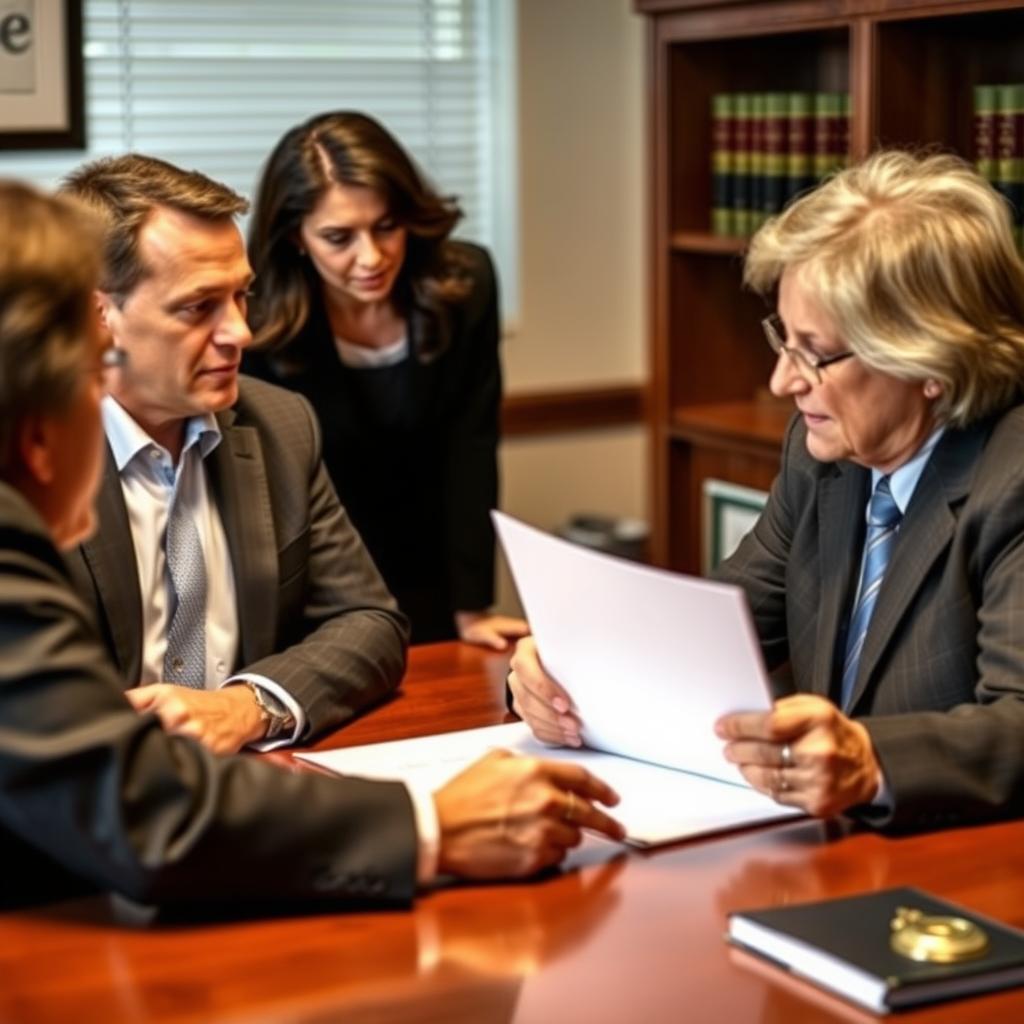
Divorce Decree Enforcement Lawyer Louisa County, VA
Your final divorce decree ordered your former spouse to pay spousal support or transfer the house, but half a year later, nothing has happened. You are stuck with unpaid bills and a decree that exists only on paper. Now you need to make that decree real—in Louisa County, Virginia. Law Offices Of SRIS, P.C. represents individuals seeking to enforce court-ordered obligations. Call (888) 437-7747 to discuss your situation. Law Offices Of SRIS, P.C. – Advocacy Without Borders.
Legal Strategies for Enforcing a Divorce Decree in Virginia
A divorce decree is a court order, and when a party does not comply, the court has authority to compel performance. The enforcement approach depends on the type of obligation being ignored—property division, spousal support, child support, or a qualified domestic relations order (QDRO). A family law attorney can evaluate which remedies are available under Virginia law and guide you through the appropriate proceeding.
For property-related terms, a party may file a motion with the Louisa County Circuit Court seeking to enforce the equitable distribution provisions. The court can construe the decree, order the transfer of assets, or appoint a commissioner to execute documents. For unpaid support, income withholding, garnishment, or a show-cause hearing may be the chosen path. An experienced lawyer will first attempt negotiation and written demand, but when that fails, litigation in the appropriate Louisa County court becomes necessary.
What to Expect When Enforcing a Decree in Louisa County Courts
Louisa County is served by two different courts for family law matters. All divorce and equitable distribution enforcement actions are heard in the Louisa County Circuit Court at 100 West Main Street, Louisa, Virginia. Standalone custody, visitation, and child support enforcement, however, go to the Louisa County Juvenile & Domestic Relations District Court. Understanding which court has jurisdiction over each part of your decree is the first step.
The process typically begins with the filing of a motion or petition for a rule to show cause. The other party is given notice and an opportunity to respond. At a hearing, the judge considers documentary evidence—such as bank statements, payment records, and correspondence—as well as witness testimony. Mr. Sris and the firm’s Of Counsel attorneys prepare thoroughly for these hearings, assembling the strongest possible record for the court. The timeline varies with each case and the court’s calendar, but the Louisa County Circuit Court generally schedules matters in a manner that allows both sides to present their positions.
Consequences of Non-Compliance with a Virginia Divorce Decree
When a former spouse refuses to follow a divorce decree, Virginia courts can impose remedial and coercive measures. In a show-cause hearing, the judge may find the non-complying party in contempt. The court can order the recalcitrant spouse to pay attorney fees and court costs incurred by the person seeking enforcement. For ongoing support obligations, the court can direct income withholding or require a bond to secure future compliance.
In extreme instances, the court may order incarceration until the contempt is purged, though this is reserved for willful, ongoing violations. For property division, the court can adjust the distribution of remaining marital assets or enter a money judgment. A party who believes the decree is ambiguous may ask the court to construe it before enforcement. Each remedy is fact-specific, so presenting your circumstances clearly and thoroughly is essential.
How Mr. Sris and the Firm’s Of Counsel Attorneys Approach Divorce Enforcement
Mr. Sris, Owner and Founder of Law Offices Of SRIS, P.C., has practiced family law since 1997. He is admitted in Virginia, Maryland, the District of Columbia, New Jersey, and New York. His experience as a former prosecutor brings an analytical, evidence-focused approach to enforcement litigation. The firm’s Of Counsel attorneys contribute additional depth in family law, courtroom advocacy, and negotiation, providing clients with a multi-state perspective that can be valuable when assets or parties cross jurisdictional lines.
The legal team at the firm recognizes that enforcement actions are often emotionally charged. They work to present a clear, documented picture of the violation while working toward a practical resolution—whether through a negotiated consent order or a contested hearing. For enforcement matters in Louisa County, the firm’s Richmond location serves as the connection point. Reach the firm at (888) 437-7747 to arrange a consultation.
Frequently Asked Questions About Divorce Decree Enforcement in Louisa County
What is divorce decree enforcement?
Divorce decree enforcement is the legal process of compelling a former spouse to comply with a court-ordered obligation such as property division, spousal support, or child support. In Virginia, the party seeking enforcement files a motion or petition in the court that issued the decree. The court can then use tools like contempt findings, income withholding, and property liens to obtain compliance. Enforcement applies to final, non-modifiable terms.
How do I enforce a spousal support or child support order in Louisa County?
Support enforcement often starts with a motion for a rule to show cause filed in the Louisa County Juvenile & Domestic Relations District Court or the Circuit Court, depending on where the support order originated. The court may order immediate income deduction through the Virginia Department of Social Services, enter a judgment for arrearages, or hold the non-payer in contempt. Working with a family law attorney ensures the correct court and legal theories are used.
What can I do if my ex-spouse won’t transfer property as ordered?
If a party refuses to execute a deed or transfer a vehicle as the decree requires, you can ask the Louisa County Circuit Court to enforce the decree directly. The court can appoint a special commissioner to sign the necessary documents, order the turnover of the asset, or enter a money judgment representing its value. Documentary evidence of the refusal is important.
Do I need a lawyer to enforce a divorce decree in Virginia?
You are not required to have a lawyer, but enforcement proceedings can become procedurally complex, and the other side may have counsel. A family law attorney can evaluate which remedies exist, prepare the proper pleadings, and present evidence effectively. In Louisa County, the firm’s attorneys handle enforcement matters from the initial demand through any necessary hearing.
How long does divorce decree enforcement take?
The timeline varies based on the complexity of the issues, the court’s docket, and the extent of the non-compliance. A straightforward support arrearage enforcement can often be resolved within a few months, while contested property division enforcement may take longer. An attorney can give you a realistic outlook after reviewing the facts of your case.
What will it cost to enforce a divorce decree?
Fees vary depending on the nature of the enforcement, the time required, and whether the matter can be resolved without a hearing. The firm discusses fees during an initial consultation so you understand what to expect. For some support enforcement cases, the court may order the non-complying party to pay your attorney fees.
Request a Consultation with a Louisa County Divorce Enforcement Attorney
If you have a final decree that is not being honored, Law Offices Of SRIS, P.C. can help you pursue enforcement in the Louisa County Circuit Court or Juvenile & Domestic Relations District Court. Call (888) 437-7747 to schedule a consultation with Mr. Sris. The firm’s Richmond location serves clients in Louisa, Mineral, Zion Crossroads, and throughout the county.
Related Family Law Pages:
Fairfax County Family Law |
Fairfax City Family Law |
Prince William County Family Law |
Manassas Family Law
Attorney advertising. Prior results do not guarantee a similar outcome. Results may vary.
Case results depend on a variety of factors unique to each case.