
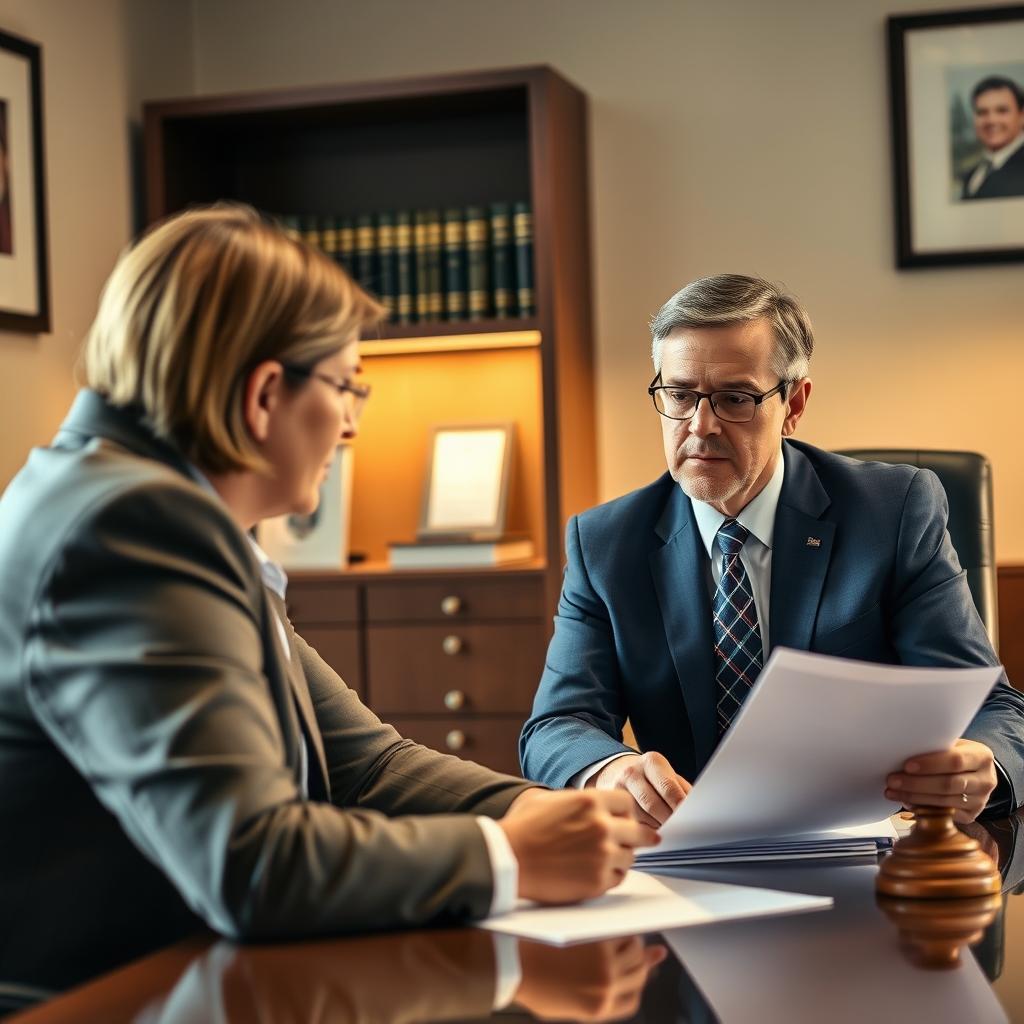
Divorce Decree Modification Lawyer Louisa County, VA
You thought the divorce was final. Then life changed. Maybe your former spouse’s income increased considerably, or you lost your job and can no longer afford the support payments. Perhaps your child’s needs have shifted, and the custody arrangement set years ago no longer works. In Virginia, a divorce decree is not set in stone—courts can modify custody, visitation, and support orders when a material change in circumstances occurs. At the Louisa County Circuit Court, a petition for modification requires showing that a substantial change has happened since the last order. A Louisa County Divorce Decree Modification Lawyer can help you present that evidence. Contact Law Offices Of SRIS, P.C. at (888) 437-7747 to schedule a consultation. Law Offices Of SRIS, P.C. – Advocacy Without Borders.
Strategy Options for Divorce Decree Modification in Louisa County
When you seek a modification, your approach depends on the type of order you want changed. Custody modifications demand proof that a change is in your child’s best interests, while support modifications often hinge on changes in income, employment, or living situations. In Louisa County, the court will review the specific facts and apply Virginia law to decide whether a modification is warranted. Mr. Sris and his Of Counsel team begin by listening to your goals. They then evaluate the circumstances since the original decree—looking at financial shifts, relocation, changes in health, or parental unfitness—to determine if the facts meet the threshold for modification.
Uncontested modifications, where both parties agree, can be streamlined with a signed agreement presented to the Louisa County Circuit Court or Juvenile and Domestic Relations District Court. Contested modifications proceed through the same court, often requiring hearings and evidence. The firm’s representation aims to build a clear, fact-based case whether your matter is agreed or disputed. Throughout, Mr. Sris and his Of Counsel work to protect your rights and your family’s future, always mindful of the court’s focus on stability for children.
What to Expect During a Modification Proceeding
Modification cases in Louisa County are heard in the court that issued the original order. Divorce, property settlement, and spousal support matters go before the Louisa County Circuit Court; standalone custody and child support issues are handled by the Louisa County Juvenile and Domestic Relations District Court. Your attorney will file a motion or complaint outlining the changed circumstances and the relief requested. The other party is served and has an opportunity to respond. The court may schedule a pendente lite hearing for temporary orders on urgent matters, followed by a full hearing if the issues remain contested.
The timeline varies depending on court scheduling, the complexity of the dispute, and whether the parties can reach an agreement. Mediation is available but not required in Virginia. Throughout the process, the court will consider factors such as each parent’s role, the child’s relationships, and any history of abuse. Spousal support modifications are evaluated under the thirteen statutory factors in Va. Code § 20-107.1, while child support follows the Virginia guidelines based on combined gross income. A divorce decree modification lawyer in Louisa County can explain how these factors apply to your particular situation.
Understanding the Penalties and Risks
If a modification is denied, the original decree remains in force. Failure to comply with existing support or custody orders can result in contempt proceedings, fines, license suspension, or even jail time. That is why seeking a formal modification through the court—rather than informally stopping payments or unilaterally changing visitation—is the proper path. The court expects parties to follow the existing orders until a new order is entered.
Enforcement of unmodified decrees can involve garnishment, liens, or contempt sanctions. In Louisa County, judges take support obligations seriously, and enforcement actions are common. When you work with an experienced attorney, you can present a well-prepared case that addresses the legal requirements and minimizes the risk of adverse consequences. The firm helps clients avoid self-help mistakes that can backfire in court.
Attorney Credentials
Mr. Sris, Owner and Founder of Law Offices Of SRIS, P.C., leads the firm’s family law practice. A former prosecutor, he brings a prosecutorial perspective to civil litigation, understanding how to build a persuasive narrative for the court. He and the firm’s Of Counsel attorneys draw on extensive combined legal experience—including decades of court appearances across Virginia—to advocate for clients in modification matters. Results may vary.
The firm’s Of Counsel attorneys include a former Virginia State Trooper and former Maryland Assistant State’s Attorney, giving the team a depth of understanding about how evidence is gathered, how testimony is evaluated, and how to negotiate effectively. Mr. Sris and his Of Counsel represent Louisa County clients primarily from the firm’s Richmond location. They appear regularly before the Louisa County Circuit Court and Juvenile and Domestic Relations District Court, familiar with local procedures and judicial expectations. For a consultation, call (888) 437-7747.
Frequently Asked Questions
What is a “material change in circumstances” in Virginia?
A material change is a significant, unanticipated shift in the facts that existed at the time of the original decree. It must affect the well-being of a child, the financial ability of a party, or another legally relevant factor. Examples include a substantial change in income, a parent’s relocation, a serious health condition, or evidence of parental unfitness. The party seeking modification bears the burden of proving the change occurred. Courts in Louisa County evaluate these claims individually, looking at the specific facts and the best interests of the child. Consult a lawyer to assess whether your situation qualifies.
Can I modify spousal support in Louisa County?
Yes, spousal support can be modified if you can show a material change in circumstances since the last order. Common reasons include a job loss, a significant increase or decrease in either party’s income, remarriage, or cohabitation in a relationship analogous to marriage. The court will examine the thirteen factors in Va. Code § 20-107.1. Modification petitions are filed in the Louisa County Circuit Court. Each case is fact-specific, and the court has discretion to adjust the support amount up, down, or to terminate it entirely. Time is of the essence—once a change occurs, consult an attorney promptly.
How is child support modification different from spousal support?
Child support modification follows a separate set of statutory guidelines, focusing on the financial needs of the child and the parents’ incomes. In Virginia, a petition to modify child support generally requires showing that a change in circumstances would result in a different support amount under the guidelines (typically a difference of at least 10-15%). Loss of employment, a significant change in the child’s needs, or a change in custody can trigger a modification. The Louisa County Juvenile and Domestic Relations District Court handles standalone support cases; if the support is part of a final divorce decree, the Circuit Court has jurisdiction.
Do I need a lawyer for a divorce decree modification?
While you are not legally required to have a lawyer, representing yourself can be risky because modification law is complex and procedural mistakes can delay or harm your case. An experienced attorney can evaluate the strength of your claim, gather the necessary evidence, and present it effectively in court. If the other party has legal representation, you will be at a disadvantage without your own counsel. Mr. Sris and his Of Counsel routinely handle modification matters in Louisa County and are familiar with the local judges and procedures. For guidance on your specific situation, reach Law Offices Of SRIS, P.C. at (888) 437-7747.
How long does a modification case take in Louisa County?
The timeline varies by case complexity, court schedule, and whether the modification is contested or agreed. Uncontested modifications with a signed agreement can often be resolved relatively quickly once filed and heard. Contested matters require hearings, possibly multiple court dates, and may take longer depending on the court’s docket. Evidence gathering, discovery, and negotiations also influence the pace. While the process cannot be rushed, acting promptly after a change in circumstances helps ensure your petition is addressed in a timely manner. Speak with an attorney about the likely timeline for your specific matter.
What if my ex-spouse will not comply with the modified order?
If the other party fails to comply with a court order—whether original or modified—you can seek enforcement through the court that issued the order. Enforcement actions can include contempt motions, wage garnishment, liens, or even jail time in extreme cases. In Louisa County, the same courts that handle modifications also enforce orders. An attorney can file the appropriate motions and present evidence of noncompliance to the judge. Enforcing orders is a core part of family law practice, and Mr. Sris and his Of Counsel have experience helping clients secure compliance.
For more information on the statutory framework underlying Virginia family law, refer to our comprehensive analysis on our main site.
Related Family Law Pages: Fairfax County Family Lawyer | Fairfax City Family Lawyer | Prince William County Family Lawyer
Virginia Court and Law Resources: Virginia Judicial System | Virginia Code Title 20 (Family Law)
Contact Law Offices Of SRIS, P.C.
The firm’s Richmond location, serving Louisa County clients:
7400 Beaufont Springs Drive, Suite 300, Room 395, Richmond, VA 23225
Call (888) 437-7747
By appointment only.
Attorney advertising. Prior results do not guarantee a similar outcome. Results may vary.
Case results depend on a variety of factors unique to each case.