
Note: This article is confirmed by Law Offices Of SRIS, P.C.
AUTHOR BIO:WRITTEN BY
Since 1997, Mr. Sris has led the firm, focusing on the most challenging criminal and family law cases. His background in accounting and information management aids in financial and technology-related cases. Involved in significant legislative changes in Virginia. My focus since founding the firm in 1997 has always been directed towards personally handling the most challenging and involved criminal and family law matters our clients face.
Divorce Lawyer Clarke VA
What is divorce law in Clarke
Divorce law in Clarke operates under Virginia’s legal framework with specific local court procedures. The process begins with understanding Virginia’s grounds for divorce, which include both fault and no-fault options. No-fault divorces require separation periods, while fault-based options involve specific circumstances like adultery or cruelty. Each approach has different requirements and timelines that affect how cases proceed through Clarke courts.
Action steps for divorce involve several key phases. First, proper documentation must be prepared, including the initial complaint and supporting paperwork. Next, service of process ensures the other party receives official notice. Discovery procedures gather financial information and other evidence. Settlement negotiations attempt to resolve issues without trial. Finally, court hearings address any unresolved matters and finalize the divorce decree.
Defense options and strategy depend on individual circumstances. For contested cases, developing effective legal arguments involves presenting evidence and legal reasoning. Protective measures may include temporary orders for support or custody during proceedings. Strategic planning considers both immediate needs and long-term outcomes, balancing legal positions with practical realities of family situations.
Professional insight comes from understanding local court practices and judicial preferences. Clarke courts have specific procedures for scheduling, documentation, and hearings. Knowledge of local rules helps avoid procedural delays. Experience with similar cases provides perspective on likely outcomes and effective approaches for achieving client goals within the legal system.
Reality Check: Divorce involves legal procedures that require attention to detail. Missing deadlines or improper paperwork can delay outcomes significantly.
How to handle divorce proceedings
Handling divorce proceedings begins with initial consultation and case assessment. This phase involves reviewing the marriage situation, assets, debts, and family circumstances. Legal counsel explains options and develops a preliminary strategy. Understanding client goals helps shape the approach to the case, whether aiming for settlement or preparing for litigation.
The action process includes several concrete steps. First, preparing and filing the initial complaint starts the legal case. Next, serving the other party with legal documents follows proper procedures. Financial disclosure requirements must be met through discovery processes. Settlement discussions attempt to resolve issues like property division and support. Court hearings address temporary matters and finalize the divorce if settlement occurs.
Strategy development considers multiple factors. For uncontested cases, the focus is on efficient documentation and approval. Contested cases require evidence preparation and legal argument development. Child-related matters need special attention to custody and support guidelines. Financial aspects involve asset valuation and division proposals that meet legal standards.
Professional authority comes from experience with Clarke court systems. Knowledge of local judges’ preferences and procedures helps case management. Understanding timing requirements for filings and responses prevents procedural issues. Familiarity with common settlement patterns in the jurisdiction informs negotiation strategies. Legal representation ensures proper adherence to all requirements.
Straight Talk: The legal process has specific steps that must be followed correctly. Professional help prevents mistakes that could affect outcomes.
Can I manage divorce without legal help
Managing divorce without legal representation involves significant challenges. The legal system has involved rules and procedures that require specific knowledge. Court forms must be completed correctly with proper legal language. Filing deadlines must be met precisely to avoid case dismissal or delays. Service of process requirements must follow exact procedures to be valid.
The action requirements for self-representation include extensive research and preparation. Individuals must learn Virginia divorce laws and Clarke court rules. They must prepare all legal documents with proper formatting and content. They need to understand evidence rules for presenting information in court. They must manage court scheduling and appearance requirements. They need to negotiate directly with the other party or their attorney.
Defense considerations for self-represented individuals involve recognizing limitations. Without legal training, people may miss important legal arguments or defenses. They may not recognize when settlement offers are reasonable or problematic. They may struggle with courtroom procedures and etiquette. They may have difficulty presenting evidence effectively. They may not understand how to protect their rights fully within the legal framework.
Professional perspective highlights the risks of self-representation. Legal matters involve technical requirements that laypeople often misunderstand. Missing a filing deadline can result in case dismissal. Improper service can invalidate proceedings. Incomplete financial disclosure can lead to penalties. Unfavorable agreements may be difficult to modify later. Court orders become binding and enforceable, making mistakes potentially permanent.
Blunt Truth: Legal procedures have technical requirements that are easy to misunderstand. Mistakes in paperwork or deadlines can create serious problems.
Why hire legal help for divorce
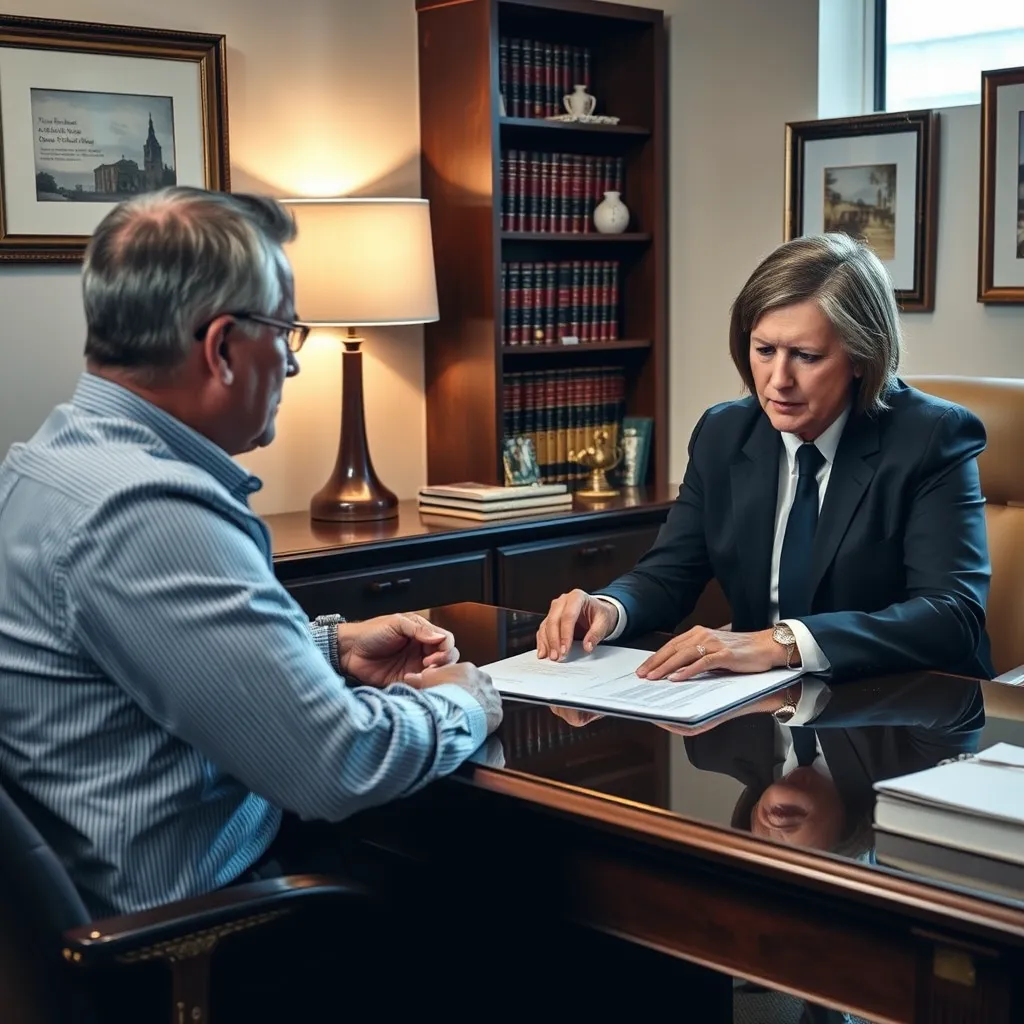
Hiring legal help for divorce provides professional guidance through a challenging process. Legal representation begins with understanding the full situation and explaining options clearly. Counsel develops a strategy based on client goals and legal realities. The attorney manages all communications with the other party and their counsel, reducing stress for the client. Professional handling of paperwork ensures all documents meet legal standards.
The action benefits of legal representation include proper case management. Attorneys prepare and file all necessary documents correctly and on time. They handle service of process according to legal requirements. They conduct discovery to gather necessary information and evidence. They negotiate settlements with the other side, using legal knowledge to achieve favorable terms. They represent clients in court hearings, presenting arguments effectively.
Strategic advantages come from legal experience and knowledge. Attorneys understand how to develop effective legal arguments based on evidence and law. They know local court procedures and judge preferences in Clarke. They can anticipate potential issues and address them proactively. They help clients make informed decisions by explaining consequences of different choices. They work to protect client interests throughout the process.
Professional value extends beyond immediate case handling. Legal counsel helps clients understand their rights and obligations under Virginia law. They provide perspective on what outcomes are realistic given the circumstances. They help clients avoid common pitfalls that could negatively affect results. They manage the emotional aspects by handling difficult communications. They work to achieve resolutions that serve client needs now and in the future.
Reality Check: Legal matters involve specific rules and procedures. Professional help ensures proper handling from start to finish.
FAQ:
1. What are Virginia’s divorce requirements?
Virginia requires residency and grounds for divorce. Separation periods apply for no-fault options.
2. How long does divorce take in Clarke?
Timing varies based on case type and issues. Uncontested cases may resolve faster than contested ones.
3. What is property division in divorce?
Virginia uses equitable distribution principles. Courts divide marital property fairly based on multiple factors.
4. How is child custody determined?
Courts consider the child’s best interests. Factors include parental relationships and home stability.
5. What are spousal support guidelines?
Support considers need and ability to pay. Duration and amount depend on marriage length and circumstances.
6. Can divorce be modified after finalization?
Some aspects like support may be modifiable. Property division is generally final once ordered.
7. What if my spouse contests the divorce?
Contested cases require court hearings. Evidence and legal arguments address disputed issues.
8. How are retirement accounts divided?
Retirement benefits earned during marriage are marital property. Division requires specific court orders.
9. What about debt responsibility?
Debts incurred during marriage are typically marital. Courts assign responsibility based on multiple factors.
10. How do I start divorce proceedings?
Filing a complaint with the Clarke court begins the case. Proper service on the other party follows.
11. What if we agree on everything?
Uncontested divorces proceed with settlement agreement. Court approval finalizes the divorce decree.
12. How much does divorce cost?
Costs vary based on case challenge and issues. Attorney fees depend on services required.
Past results do not predict future outcomes