
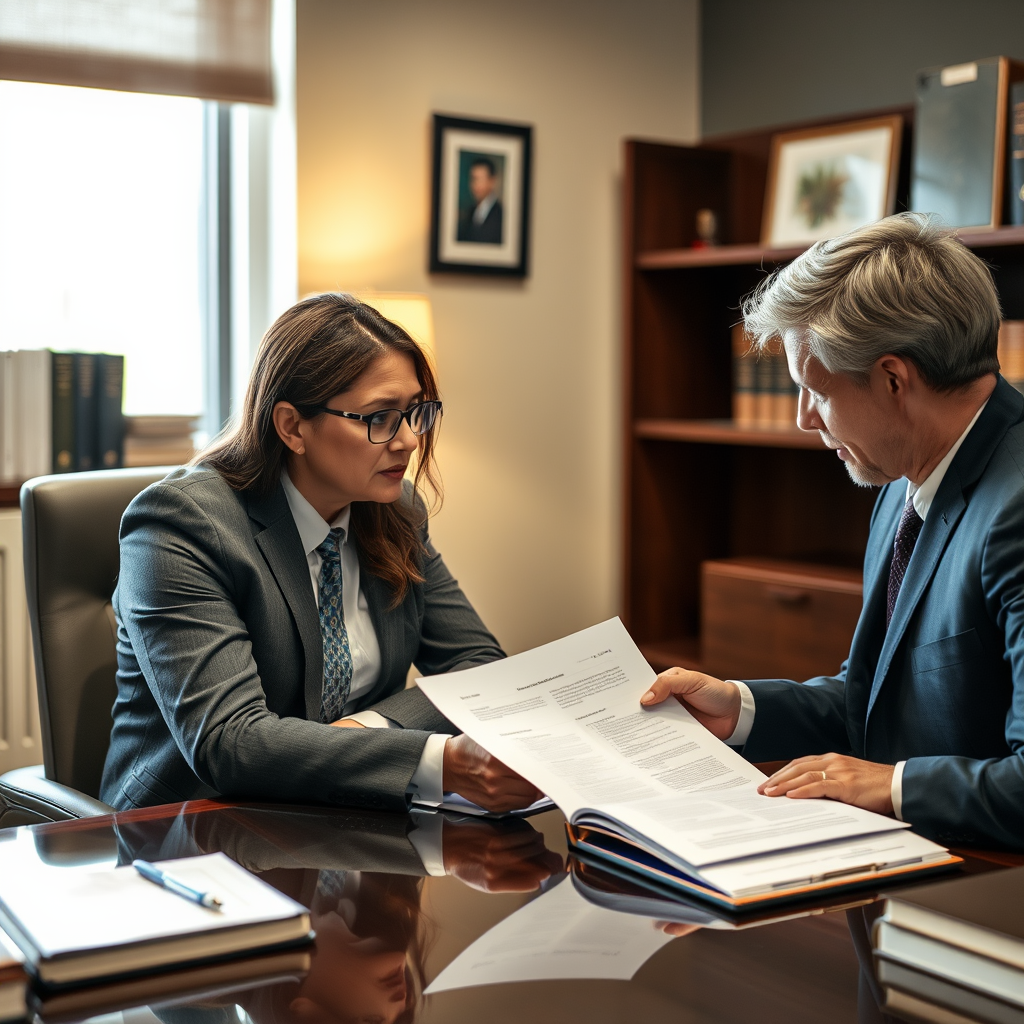
Do I need a lawyer for an uncontested divorce in Orange County?
Navigating the process of divorce, even when it appears uncontested, is inherently complex. The term “uncontested” suggests agreement and simplicity, but the legal framework governing marital dissolution—especially regarding property division, spousal support, and child custody—is highly detailed and jurisdiction-specific. If you are considering an uncontested divorce in Orange County, California, it is natural to wonder whether retaining legal counsel is truly necessary.
While some aspects of the process may seem straightforward when both parties agree on every detail, the law does not permit individuals to simply sign away their rights and expect those agreements to be fully enforceable without proper legal structuring. The core issue is that even an agreement must be drafted, reviewed, and filed according to specific state statutes (in this case, California law). This requires specialized knowledge of local court procedures, document formatting, and the legal implications of every clause.
At Law Offices Of SRIS, P.C., we understand that the goal is a smooth, efficient resolution. However, our primary duty is to ensure that any agreement you reach is legally sound, enforceable, and protects your rights fully. Therefore, while an uncontested divorce means you and your spouse agree on the outcome, it does not mean you are immune from legal complexities. We highly recommend speaking with an attorney who can guide you through the process and ensure that every document meets the rigorous standards required by the court.
What exactly constitutes an uncontested divorce?
Generally speaking, an uncontested divorce occurs when both parties involved in the marriage agree on all major terms of the dissolution. These terms typically include the division of marital assets (like homes, bank accounts, and retirement funds), spousal support (alimony), and child custody/visitation schedules. When this agreement is reached, the process is significantly faster and less emotionally draining than a contested divorce.
However, “agreement” does not equate to “legal compliance.” The law still requires that these agreements be formalized into legally binding documents—often called a Marital Settlement Agreement (MSA) or Stipulation for Judgment. These documents must be drafted by someone who understands the nuances of California family law. Failure to properly draft or file these documents can lead to future legal disputes, even if you both agreed on the outcome today.
What are the key components of a divorce settlement?
A comprehensive settlement typically addresses three main areas:
- Division of Assets and Debts: This involves dividing everything acquired during the marriage, including real estate, vehicles, investments, and joint debts.
- Spousal Support (Alimony): Determining whether one spouse will pay periodic support to the other, and if so, for how long.
- Child Custody and Support: Establishing legal custody (who makes decisions) and physical custody (where the child lives), along with a clear plan for child support payments.
Even if you agree on the division of assets, the calculation of spousal support or the proper titling of real estate requires specific legal experience. This is where the role of an attorney becomes critical.
Why is retaining a lawyer recommended even if the divorce is uncontested?
The primary reason to hire legal counsel, even when you are in agreement with your spouse, is risk mitigation. An attorney acts as a neutral third party who ensures that the documents you sign today will not create unforeseen legal liabilities for you tomorrow. They protect you from common pitfalls that laypeople often overlook.
Protecting Your Financial Future
Without an attorney, there is a high risk of misunderstanding complex financial instruments. For instance, simply dividing a bank account balance is easy, but properly dividing retirement accounts (like 401(k)s or IRAs) requires specific legal mechanisms and coordination with financial institutions. An attorney ensures that the division is executed in a way that is legally recognized by all parties and future financial institutions.
Navigating California Law
Family law is notoriously complex, and every state—including California—has unique rules regarding timing, required disclosures, and filing procedures. A local attorney understands the specific requirements of Orange County Superior Court, ensuring that your paperwork is filed correctly and accepted by the judge. This prevents unnecessary delays or outright rejection of your petition.
Furthermore, an attorney can help you structure agreements in a way that is tax-efficient and minimizes future disputes. They are skilled at drafting language that is precise, unambiguous, and legally robust—the kind of language that stands up to scrutiny years down the line.
What does the process look like from start to finish?
While every divorce is unique, the general timeline for an uncontested dissolution typically involves several key stages. An attorney manages these steps to ensure efficiency and compliance.
Step 1: Initial Consultation and Disclosure
You will meet with an attorney who will guide you through gathering all necessary financial documents (tax returns, bank statements, deeds, etc.). This comprehensive disclosure is vital because the law requires both parties to provide a full picture of their finances, regardless of whether you are fighting over them or not.
Step 2: Negotiation and Drafting
Working with your attorney, you and your spouse will negotiate the terms. The attorney then drafts the comprehensive Marital Settlement Agreement (MSA). This document is the heart of your divorce; it must cover every single aspect of your life post-divorce.
Step 3: Review and Execution
Both parties review the MSA with their respective counsel to ensure they understand every clause. Once both parties sign, the agreement is submitted to the court for judicial approval. The judge reviews the documents to confirm that all legal requirements have been met.
Step 4: Final Judgment and Filing
If the judge approves the agreement, the court issues a Final Judgment of Dissolution. This document legally ends the marriage and makes the terms permanent. Your attorney ensures this final judgment is properly recorded with the county clerk, making it official and enforceable.
How Mr. Sris and the Firm’s Of Counsel Attorneys Handle Divorce Cases in Orange County
The process of divorce, particularly when involving complex financial or custody issues, requires a methodical and highly detailed approach. When clients seek assistance with divorce cases in Orange County, our team—including Mr. Sris and the firm’s Of Counsel attorneys—adopts a comprehensive strategy focused on clarity, protection, and efficiency. We recognize that every client’s situation is unique, whether they are seeking an uncontested resolution or need representation through complex negotiations. Our initial focus is always on gathering a complete picture of your circumstances, ensuring we understand the full scope of assets, debts, and parental responsibilities involved.
Our approach involves meticulous document review and strategic counseling. We do not simply draft papers; we build a legally sound roadmap for your future. This includes advising on the trusted methods for asset division—whether it’s real estate, retirement funds, or intellectual property—and structuring support payments that are both fair and enforceable under California law. By managing the entire process, from initial disclosure through to the final judgment, we aim to minimize conflict while maximizing the protection of your rights and future stability.
About Mr. Sris and the Firm’s Of Counsel Attorneys
Law Offices Of SRIS, P.C. has built its reputation on providing deeply knowledgeable and protective legal counsel. Mr. Sris, Owner and Founder, brings decades of experience to every case. He is a former prosecutor with extensive experience in criminal trial work, giving him a unique perspective on the intersection of family law and broader legal principles. Mr. Sris is admitted in Virginia, Maryland, the District of Columbia, New Jersey, and New York, providing a multi-jurisdictional view of legal best practices.
The firm’s Of Counsel attorneys are highly specialized practitioners who augment our core team’s capabilities. They represent independent attorneys across various fields of law, allowing us to provide comprehensive support to clients regardless of the specific nature of their dispute. We manage these relationships carefully, ensuring that all counsel working with the firm adheres to the highest standards of ethical practice and legal rigor. Our collective experience allows us to guide clients through challenging times while maintaining a focus on achieving the most favorable and sustainable outcomes.
We believe that effective representation requires more than just legal knowledge; it requires empathy, discretion, and a commitment to guiding our clients toward peace. Whether the matter is complex or appears simple, we are here to provide the authoritative guidance you need to move forward with confidence.
Need Local Guidance in Orange County?
While our practice spans multiple jurisdictions, we understand that divorce law is governed by local rules. If you are located in the Orange County area and need immediate guidance regarding your divorce, speaking with a local attorney is paramount. We encourage you to reach out to us at (888) 437-7747 to schedule a consultation.
Ready to discuss your options for an uncontested divorce in Orange County?
Contact Law Offices Of SRIS, P.C. Today. We can help you understand the legal requirements and necessary steps to achieve a legally binding settlement.
Frequently Asked Questions About Divorce
Is a mediator sufficient for an uncontested divorce?
Mediation is an excellent tool for communication and negotiation, but it is not a substitute for legal counsel. A mediator helps you reach an agreement; an attorney ensures that the agreement is legally sound, enforceable, and compliant with all state statutes. You still need a lawyer to draft and file the final judgment.
How long does an uncontested divorce typically take?
The timeline varies greatly depending on local court backlogs and how quickly both parties can gather documents. While the negotiation phase may be quick, the formal filing, judicial review, and final recording process can still take several months.
What if we agree on everything, but one party refuses to sign the final papers?
If one party refuses to sign, even if you have reached an agreement, the court process stalls. Your attorney can help file motions or petitions with the court to compel compliance, ensuring that the judge’s order is legally binding on both parties.
Does having a lawyer automatically mean the divorce will be contested?
Not necessarily. Hiring an attorney means you are protecting your interests and ensuring compliance with the law. It does not automatically escalate the conflict; rather, it provides the necessary legal structure to formalize your agreement safely.
What is the difference between legal custody and physical custody?
Legal custody refers to who has the right to make major decisions regarding the child’s upbringing (education, healthcare). Physical custody refers to the actual time the child spends with each parent. Both are assessed by the court based on the child’s best interests.
Are there specific forms required for an uncontested divorce in California?
Yes, California requires specific forms, including the Petition for Dissolution of Marriage and various supporting declarations. An attorney is essential because they know which forms are current, correctly filled out, and filed with the proper court.
Can I file for divorce without having a lawyer?
You can initiate the process yourself, but doing so carries significant risk. Without legal guidance, you may miss critical deadlines, fail to disclose necessary information, or draft documents that are legally unenforceable, jeopardizing your rights.
What happens if we sign the divorce papers, but later disagree on money?
If you sign papers and later disagree, the agreement may be challenged in court. This is why an attorney’s role is crucial—they draft the documents with specific language that anticipates future disputes and provides clear mechanisms for resolution.
Does the location of the divorce matter?
Yes, the state and county laws are paramount. Divorce law is highly localized. Even if you move, the jurisdiction where the marriage occurred or where the children reside often dictates which set of rules applies.
What is considered ‘marital property’ in a divorce?
Generally, marital property includes assets and debts acquired by either spouse during the marriage. This typically covers real estate, vehicles, bank accounts, and investments, regardless of whose name is on the title.
Do I need to file a restraining order before filing for divorce?
If there is any history of abuse or violence, you should speak with an attorney immediately about obtaining protective orders. These are separate legal actions that must be handled carefully and often require specific evidence.
Disclaimer
The information provided on this website is for educational purposes only and does not constitute legal advice. Divorce law is highly complex and varies significantly by state and county. Because we cannot assess the specific facts of your situation, you must consult with a qualified attorney licensed in your jurisdiction to receive advice regarding your particular situation. Do not rely on any information provided here to make legal decisions.
Case results depend on a variety of factors unique to each case.
Attorney advertising. Prior results do not guarantee a similar outcome.