
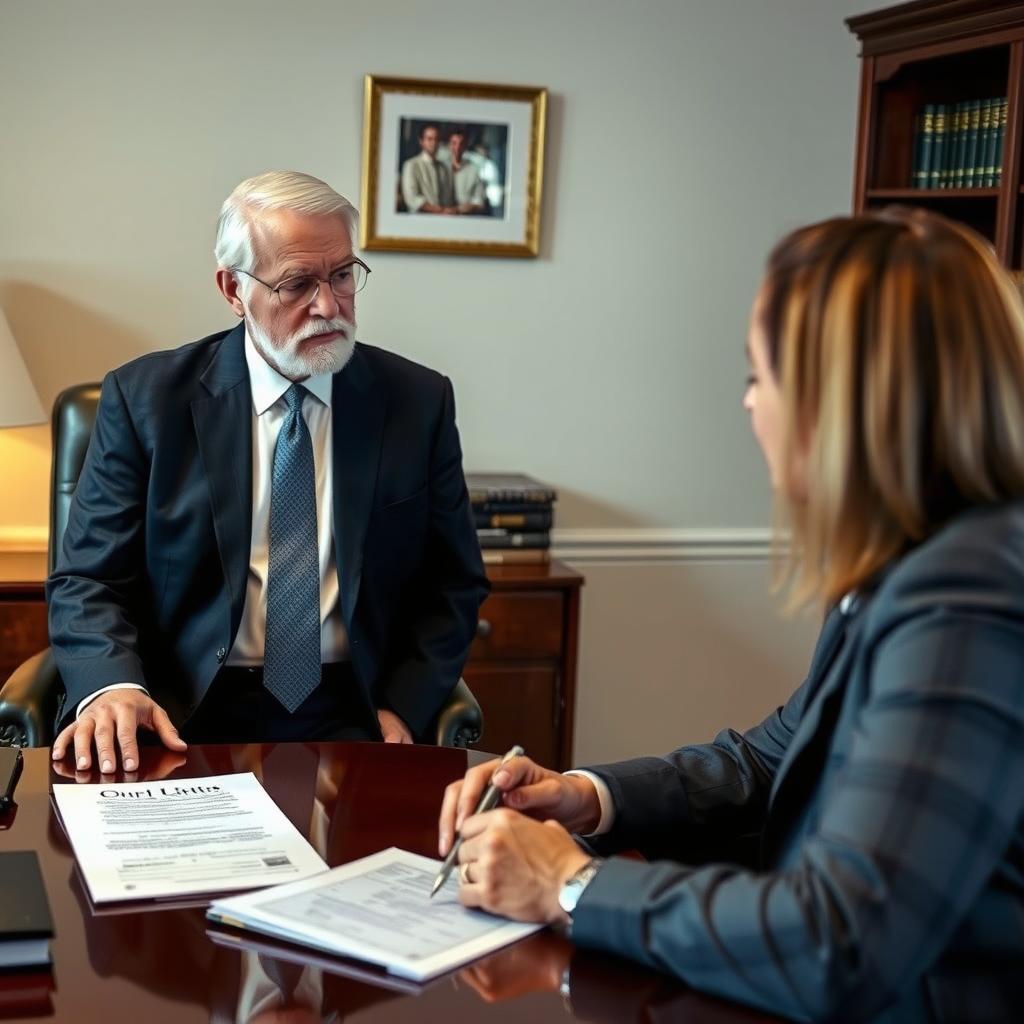
Felony Conviction Divorce Lawyer Fluvanna County
A felony conviction complicates divorce proceedings in Fluvanna County. You need a lawyer who understands both family law and criminal law implications. Law Offices Of SRIS, P.C. —Advocacy Without Borders. Our attorneys handle how a felony affects child custody, property division, and spousal support. We provide direct legal counsel for your specific situation in Virginia. (Confirmed by SRIS, P.C.)
Statutory Definition of Divorce Grounds Involving a Felony
Virginia Code § 20-91(A)(3) defines felony conviction as a ground for divorce—a Class 4 misdemeanor procedural violation with a maximum $250 fine. This statute allows an innocent spouse to file for divorce if the other spouse is convicted of a felony. The conviction must be confirmed by a final order of conviction. It must also involve a sentence of confinement for more than one year. The sentence must be served after the marriage began. This is a “fault” ground for divorce in Virginia. It impacts other aspects of the case like support and custody. A felony conviction divorce lawyer Fluvanna County must cite this code precisely.
Using this fault ground requires specific legal steps. You must prove the conviction is final. You must also prove the sentence meets the statutory length. The filing spouse does not need to prove any other marital misconduct. The court’s focus shifts to the consequences of the conviction. This includes its effect on the family’s financial and emotional well-being. A criminal conviction divorce lawyer Fluvanna County handles these proof requirements.
How does a felony affect child custody determinations?
A felony conviction is a primary factor in Virginia child custody cases. Virginia courts prioritize the child’s best interests under Code § 20-124.3. A felony, especially involving violence or moral turpitude, creates a presumption against the convicted parent. The court will assess the nature of the crime and rehabilitation efforts. It will also consider the crime’s direct impact on the child’s safety. Parenting time and decision-making authority can be severely restricted. You need a lawyer who can present mitigating evidence to the Fluvanna County Juvenile and Domestic Relations District Court.
Can a spouse get a divorce if the felony conviction happened before marriage?
No, a felony conviction before marriage is not grounds for divorce under Virginia Code § 20-91(A)(3). The statute requires the felony sentence to be “confirmed” after the marriage began. The one-year confinement must be served during the marriage. A pre-marital conviction does not meet this statutory requirement. The innocent spouse would need to cite another fault ground, like cruelty or desertion. A felony conviction divorce lawyer Fluvanna County reviews the timeline of events carefully. Learn more about Virginia family law services.
What is the difference between a fault and no-fault divorce in this context?
A fault divorce based on felony conviction can affect financial outcomes and custody. A no-fault divorce under Code § 20-91(9) requires separation and does not assign blame. Proving fault can influence spousal support awards under Code § 20-107.1. It can also impact the equitable distribution of marital property. The judge has more discretion to consider misconduct in a fault-based case. A criminal conviction divorce lawyer Fluvanna County advises on which ground is strategically advantageous.
The Insider Procedural Edge in Fluvanna County Courts
Fluvanna County Circuit Court handles all felony conviction divorce cases at 247 Main Street, Palmyra, VA 22963. This court manages the full divorce process from filing to final decree. Procedural specifics for Fluvanna County are reviewed during a Consultation by appointment at our Fluvanna County Location. The court follows the Virginia Supreme Court’s rules for civil procedure. Filing fees are set by state law and county ordinance. You must serve the divorce complaint on your incarcerated or formerly incarcerated spouse. This may require special service arrangements through the Department of Corrections.
What is the typical timeline for a divorce involving an incarcerated spouse?
A divorce with an incarcerated spouse in Fluvanna County can take nine to fifteen months. The timeline depends on court docket scheduling and the complexity of issues. Service of process on an inmate can add several weeks. If child custody or substantial assets are involved, the process lengthens. Incarceration can also delay hearings if the spouse requests transport to court. A felony conviction divorce lawyer Fluvanna County works to expedite necessary procedures. Learn more about criminal defense representation.
Are there special filing procedures when one spouse is in prison?
Yes, serving legal papers on an incarcerated spouse requires specific steps. You must serve the warden or superintendent of the correctional facility. The Virginia Department of Corrections has formal rules for accepting service. The inmate must also be given an opportunity to respond to the complaint. The Fluvanna County Circuit Court may require proof of this service. Failure to follow proper procedure can result in dismissal of the case.
What are the court costs and filing fees for a divorce in Fluvanna County?
Filing fees for a divorce complaint in Fluvanna County Circuit Court are approximately $89. Additional costs include fees for serving the defendant, which may be higher for prison service. There are also costs for filing motions and final decree paperwork. If a Guardian ad Litem is appointed for children, those fees are added. Court reporter fees may apply for hearings. A detailed cost assessment is provided during a case review at SRIS, P.C.
Penalties, Financial Impacts, and Defense Strategies
The most common penalty in a felony conviction divorce is loss of custody and unfavorable support orders. The court’s decisions on property and support are long-term financial penalties. A felony record heavily influences these outcomes under Virginia law. Learn more about personal injury claims.
| Offense / Issue | Penalty / Consequence | Notes |
|---|---|---|
| Child Custody Decision | Supervised visitation or loss of custody | Per Va. Code § 20-124.3, best interests of child. |
| Spousal Support Award | Reduced or denied support for convicted spouse | Fault is a factor under Va. Code § 20-107.1. |
| Property Division | Unequal division favoring innocent spouse | Court may consider economic impact of crime. |
| Legal Decision-Making | Sole legal custody to innocent spouse | Due to concerns about judgment and moral fitness. |
[Insider Insight] Fluvanna County prosecutors and judges in family court view felony convictions, particularly for violent or drug-related crimes, as a severe mark against a parent’s fitness. They prioritize the safety and stability of the child above all. Presenting strong evidence of rehabilitation is critical to mitigating this stance.
How is marital property divided when a felony drained assets?
The court can award the innocent spouse a larger share of the remaining marital property. Virginia’s equitable distribution law (Code § 20-107.3) allows consideration of marital misconduct. If felony-related legal fees or restitution drained marital funds, the judge may compensate the innocent spouse. This is done through a larger percentage of the remaining assets. The key is documenting the direct financial loss caused by the criminal activity.
Can a convicted spouse be ordered to pay spousal support?
Yes, a convicted spouse can be ordered to pay spousal support, but the award is less likely. The court considers the felony and its impact on the marriage under Code § 20-107.1. If the conviction led to job loss and reduced earning capacity, support may be reduced. The innocent spouse’s need and the convicted spouse’s ability to pay are still balanced. A felony conviction divorce lawyer Fluvanna County argues these factors effectively. Learn more about our experienced legal team.
What defense strategies exist for the convicted spouse in divorce court?
Defense strategies focus on rehabilitation and current fitness as a parent. Providing evidence of completed counseling, drug treatment, or vocational training is essential. Demonstrating a stable post-release life and employment can counter negative presumptions. Requesting a custody evaluation or home study can provide neutral evidence to the court. The goal is to shift the focus from the past crime to present capability.
Why Hire SRIS, P.C. for Your Fluvanna County Case
Our lead attorney for Fluvanna County family law cases has over 15 years of combined criminal and family court experience. This dual background is essential for felony conviction divorce cases. Our attorney understands how criminal courts and family courts interpret the same facts differently.
Attorney Profile: Our Fluvanna County family law attorney focuses on complex divorces involving criminal records. This attorney has handled cases involving incarceration, parole issues, and DCFS involvement. The attorney’s practice is dedicated to protecting parental rights and financial interests in fault-based proceedings.
SRIS, P.C. has a dedicated team for cases in Fluvanna County. We know the local court personnel and procedures. Our approach is direct and strategic, not passive. We prepare every case as if it will go to trial. We gather evidence, secure witnesses, and build a compelling narrative for the judge. You need a felony conviction divorce lawyer Fluvanna County who fights for the best possible outcome under difficult circumstances. Our firm provides that aggressive advocacy.
Localized FAQs for Fluvanna County Residents
How does a felony affect my chances of getting child custody in Fluvanna County?
Can I get a divorce in Fluvanna County if my spouse is in prison?
Will I have to pay spousal support to a spouse with a felony record?
How long does a divorce take in Fluvanna County with a felony involved?
What should I bring to my first meeting with a divorce lawyer?
Proximity, Contact, and Final Disclaimer
Our Fluvanna County Location serves clients throughout the county and Central Virginia. We are accessible for residents of Palmyra, Fork Union, and Lake Monticello. Consultation by appointment. Call 24/7. Our legal team is ready to discuss your felony conviction divorce case.
SRIS, P.C.
Fluvanna County Location
Consultation by appointment. Call 24/7.
Past results do not predict future outcomes.