
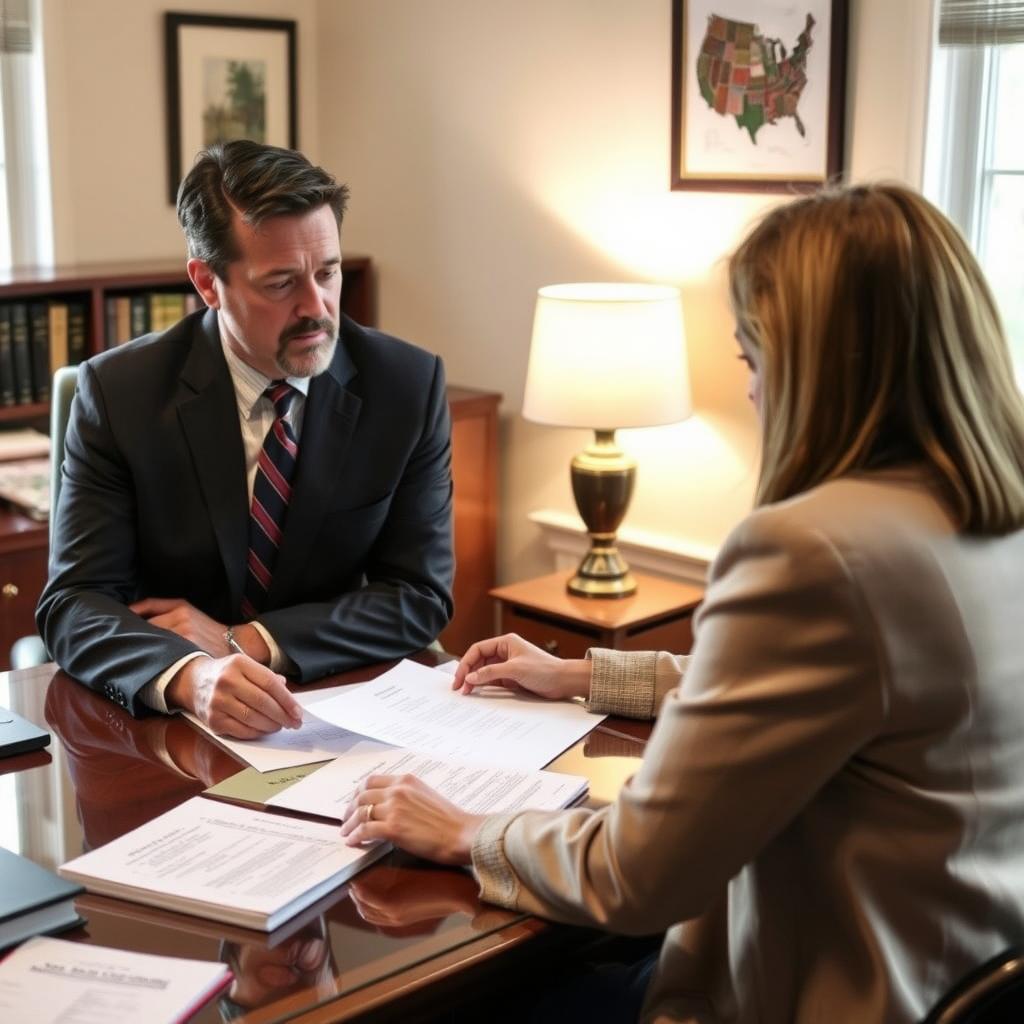
Felony Conviction Divorce Lawyer Rappahannock County, VA
When your spouse is convicted of a felony and sentenced to confinement for more than a year, the emotional and financial strain can feel impossible to manage alone. You may be raising children on a single income, managing household responsibilities without a partner, and wondering how to move forward. Virginia law provides a fault-based ground for divorce when a spouse has been sentenced to incarceration for a felony, and it does not require you to wait through a lengthy separation period before filing. If you are ready to take that step, Mr. Sris and his Of Counsel at Law Offices Of SRIS, P.C. work with individuals across Rappahannock County to pursue a divorce based on felony conviction. Call (888) 437-7747 to schedule a consultation and discuss your options. Law Offices Of SRIS, P.C. – Advocacy Without Borders.
Strategy Options for a Felony Conviction Divorce
Filing for divorce on the ground of felony conviction under Va. Code § 20-91 offers a clear procedural advantage: there is no mandatory waiting period. Unlike a no-fault divorce that requires six months or one year of separation, you may proceed as soon as the conviction and sentence are final. This can accelerate your ability to obtain a divorce decree and move forward with property division, support, and custody arrangements. However, the strategy you choose depends on whether your spouse is willing to cooperate. If your spouse is incarcerated and unresponsive, you may need to pursue a contested divorce by serving the complaint through the facility. Alternatively, if communication is possible, you may negotiate a separation agreement that resolves all issues, allowing the court to finalize the divorce on an uncontested basis. Mr. Sris and his Of Counsel assess the circumstances of each case and help clients in Rappahannock County decide which path makes the most sense given the length of incarceration, the complexity of marital assets, and the custody situation.
What to Expect When You File in Rappahannock County
Divorce cases based on felony conviction are filed in the Rappahannock County Circuit Court, located at 250 Gay Street, Suite 1, Washington, Virginia 22747. The court has exclusive jurisdiction over divorce, equitable distribution, and spousal support. If there are minor children, custody and child support matters are heard in the Rappahannock County Juvenile and Domestic Relations District Court, though they may be addressed as part of the divorce proceeding when properly pleaded. After you file the complaint, your spouse must be served with process. For an incarcerated spouse, service typically involves coordination with the correctional facility. If your spouse fails to respond, you may request a default judgment, but the court will still require evidence on the grounds and any relief you seek. In contested cases, the court may schedule a pendente lite hearing to address temporary support or custody while the divorce is pending. Throughout the process, Mr. Sris and his Of Counsel appear on your behalf, prepare the required filings, and present the evidence needed to establish the felony conviction ground and resolve the related financial and parenting issues.
How a Felony Conviction Affects Divorce Outcomes
A spouse’s felony incarceration influences several aspects of a divorce beyond the ground itself. Under Virginia’s equitable distribution statute, Va. Code § 20-107.3, the court considers the circumstances and factors that contributed to the dissolution of the marriage, including a spouse’s criminal conduct and its financial impact on the family. While there is no automatic penalty, a judge may weigh the incarceration when dividing marital assets and debts, particularly if the felony depleted marital resources or left the other spouse to shoulder significant economic burdens alone. Spousal support determinations under Va. Code § 20-107.1 also account for the earning capacity and fault of each party; an incarcerated spouse’s ability to pay may be limited, but the court can structure a support award that reflects the circumstances. With regard to child custody, a parent’s incarceration is not an absolute bar to custody or visitation, but it is a factor the court considers among the trusted-interests factors in Va. Code § 20-124.3. The practical reality of incarceration—absence from the child’s daily life, inability to provide care, and the nature of the felony—can all affect the parenting plan. Mr. Sris and his Of Counsel help clients present the facts so the court can make informed decisions that protect the family’s long-term interests.
About Mr. Sris and His Of Counsel Team
Mr. Sris, Owner and Founder of Law Offices Of SRIS, P.C., has practiced since 1997 and is admitted in Virginia, Maryland, the District of Columbia, New Jersey, and New York. A former prosecutor, he brings a thorough understanding of the criminal justice system, which proves valuable when a divorce centers around a spouse’s felony conviction—knowing how sentencing, confinement, and post-release supervision work helps anticipate issues that may affect property division, support, and parenting time. Mr. Sris testified before the Virginia House Courts of Justice Committee in support of 2019 HB 635 (chief patron Del. David Bulova), legislation that refined Virginia’s equitable distribution statute, a background that informs the firm’s handling of complex divorce matters. Working alongside him, his Of Counsel team—experienced attorneys engaged through Excella—bring over 120 years of combined legal experience and have contributed to over 4,739 documented firm-wide results. Results may vary.
Frequently Asked Questions
What is a felony conviction divorce in Virginia?
A felony conviction divorce is a fault-based ground for divorce under Va. Code § 20-91 that allows a spouse to file when the other spouse has been convicted of a felony and sentenced to confinement for more than one year. Unlike no-fault divorce, there is no required separation period. The ground is available regardless of when the conviction occurred, as long as the sentence includes incarceration exceeding twelve months. The divorce must be filed in the circuit court where either party resides.
Do I need to wait for a separation period before filing on felony grounds?
No, the felony conviction ground under Va. Code § 20-91 does not require any period of separation before filing for divorce. You may initiate the divorce as soon as the conviction and sentence become final. This is a significant advantage for individuals who want to move forward without delay, especially when financial and parenting matters need immediate resolution. However, you must still meet Virginia’s six-month residency requirement.
How does a spouse’s incarceration affect child custody in Rappahannock County?
Incarceration alone does not automatically strip a parent of custody or visitation rights, but the court considers it as one factor among the trusted-interests factors in Va. Code § 20-124.3. The Rappahannock County Juvenile and Domestic Relations District Court evaluates the parent’s ability to maintain a relationship with the child, the stability of the home environment, and any history of abuse or neglect. Practically, a parent serving a long sentence may have limited parenting time, and the court will fashion a plan that prioritizes the child’s safety and well-being.
Can I file for divorce while my spouse is in prison?
Yes, you can file a divorce complaint in Rappahannock County Circuit Court while your spouse is incarcerated. The procedure requires serving the complaint and summons on your spouse through the correctional facility. If your spouse fails to respond, you can proceed by default, but the court still requires that you prove the grounds and any requested relief. An attorney can handle the service process and ensure the case moves forward efficiently.
What about property division when a spouse is incarcerated?
Virginia is an equitable distribution state, and a spouse’s felony incarceration may influence the division of marital property under Va. Code § 20-107.3. The court examines the factors that contributed to the dissolution, including the financial misconduct or waste that may have resulted from the criminal activity. While there is no automatic penalty, a judge can allocate a larger share of marital assets to the innocent spouse if the facts support it. For couples with retirement accounts, business interests, or real estate, a thorough analysis of marital versus separate property is essential.
How do I start the divorce process in Rappahannock County?
Begin by scheduling a consultation with an experienced family law attorney who practices in Rappahannock County to evaluate your grounds, residency, and an appropriate approach for your case. The attorney will prepare and file a complaint in the Rappahannock County Circuit Court, arrange for service of process, and address any immediate needs for temporary support or custody. From there, the timeline depends on whether the divorce is contested or uncontested and the complexity of the financial and parenting issues. Mr. Sris and his Of Counsel handle each step, from filing through final decree.
Request a Consultation
To discuss your divorce matter with an attorney who understands the intersection of criminal convictions and family law, contact Law Offices Of SRIS, P.C. at (888) 437-7747. Consultations are available by appointment at our Fairfax location, 4008 Williamsburg Court, Fairfax, VA 22032, and we serve clients throughout Rappahannock County, including Washington, Sperryville, and Flint Hill. Our phones are answered 24 hours a day, 365 days a year.
We also represent individuals in family law matters across Northern Virginia, including Fairfax County, Fairfax City, Falls Church, Prince William County, and Manassas.
Attorney advertising. Prior results do not guarantee a similar outcome. Results may vary. Case results depend on a variety of factors unique to each case. Attorney responsible for this advertising: Mr. Sris.
For additional reference: Virginia Code § 20-91 and Rappahannock County Combined Courts.