
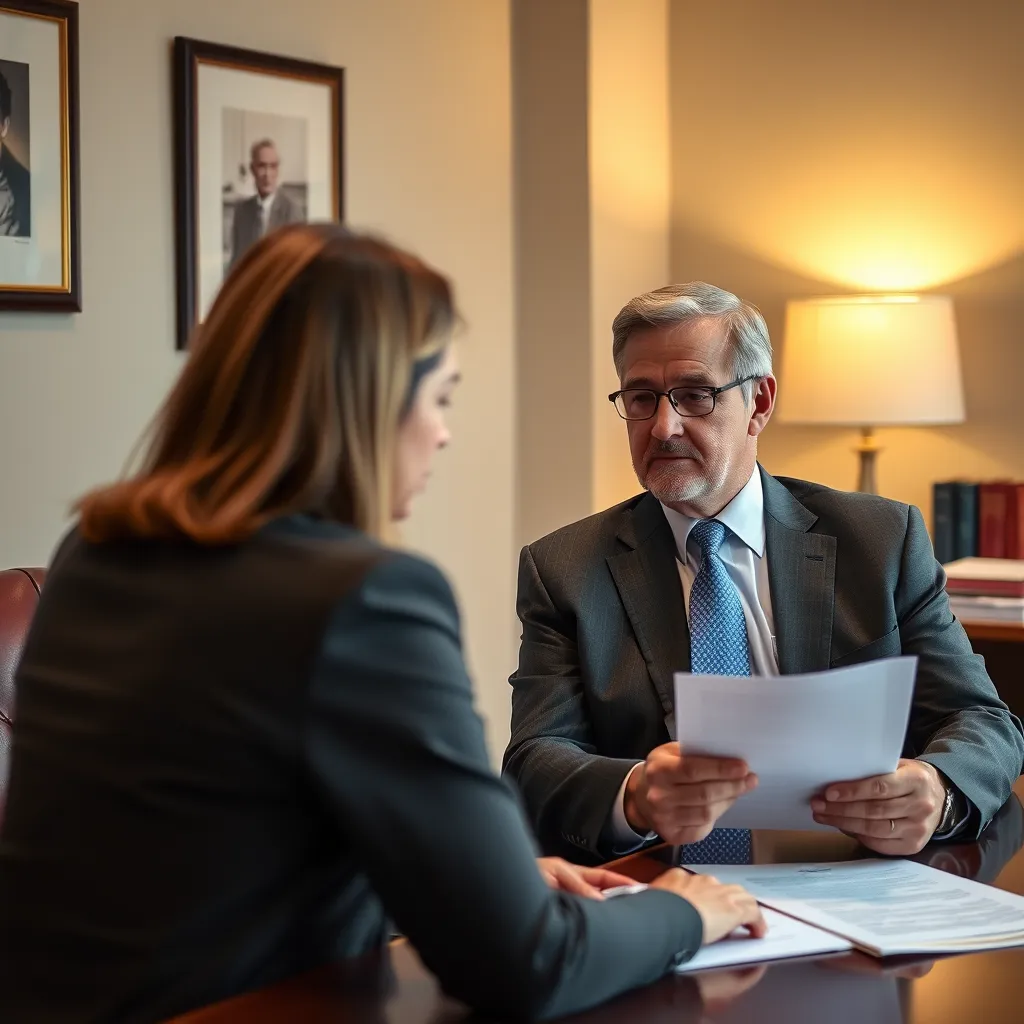
Grandparent Custody Lawyer in Falls Church, VA
The legal landscape surrounding family relationships is often deeply emotional, and when grandparents become involved in the custody decisions of their grandchildren, the stakes feel incredibly high. In Falls Church, Virginia, navigating these waters requires not just legal knowledge, but a thorough understanding of family dynamics and the specific statutes governing parental rights. Grandparent custody disputes are complex because they challenge the fundamental presumption that parents know what is best for their children. If you are facing disagreements regarding visitation, guardianship, or direct involvement in your grandchild’s life, understanding your rights and the legal process is the critical first step. At Law Offices Of SRIS, P.C., we provide dedicated representation to help families navigate the unique challenges of grandparent custody law in Falls Church, VA, ensuring your voice is heard by the court.
What Exactly Is Grandparent Custody Law?
Grandparent custody law refers to the legal process by which grandparents seek a formal role in the care, visitation, or guardianship of a minor child when the parents are unable, unwilling, or otherwise deemed unfit to provide adequate care. It is important to understand that the law generally prioritizes the rights and decisions of the biological parents. Therefore, obtaining a ruling that grants significant rights to a grandparent is not automatic; it requires demonstrating compelling evidence to the court that the child’s best interests are served by the grandparent’s involvement, often superseding the parents’ current arrangements.
In Virginia, as in many jurisdictions, the courts operate under the “best interests of the child” standard. This means that while the grandparents’ love and commitment are undeniable, the legal argument must be framed around objective evidence—such as documented parental neglect, instability, or demonstrable inability to provide necessary care—rather than simply emotional need. Our practice involves meticulously gathering evidence that speaks directly to the child’s welfare, ensuring that the court views our client not as an interfering party, but as a vital source of stability and support.
When Is Grandparent Intervention Necessary in Virginia?
Intervention becomes necessary when there is a demonstrable breakdown in the primary parental relationship or when the parents’ actions pose a risk to the child’s physical, emotional, or financial well-being. While every case is unique, common scenarios that necessitate legal intervention include:
- Parental Conflict and Instability: When parents are engaged in severe, ongoing conflict that negatively impacts the child’s mental health or routine.
- Neglect or Abuse Concerns: If there is evidence of physical neglect, emotional deprivation, or substance abuse by the custodial parents.
- Lack of Parental Capacity: Situations where the parents are unable to provide basic necessities due to incarceration, severe illness, or mental health crises.
- Disputes Over Visitation Rights: When the parents’ existing custody agreement does not account for the emotional and practical needs of the grandparents, limiting necessary contact.
The process is highly fact-specific. For instance, simply disagreeing with a parenting decision is usually insufficient for a court to intervene. We must build a case demonstrating a pattern of behavior or a systemic failure in the parents’ ability to parent responsibly. This requires detailed records, testimony, and expert evaluation.
Understanding the Legal Process for Grandparent Guardianship
The path to establishing grandparent guardianship is rigorous and multi-staged. It typically begins with filing a petition with the appropriate circuit court in Virginia. The initial phase involves temporary orders, where the court assesses immediate risk. If the judge determines that the child’s safety or stability is at risk, interim measures can be put in place.
The core of the process involves discovery—the exchange of information between all parties. This includes reviewing medical records, school reports, financial documentation, and testimony from witnesses. Our team manages this complex discovery phase, ensuring that every piece of evidence is admissible and strategically presented. If the court ultimately agrees with our assessment, the final ruling can establish either a formal guardianship (granting legal control) or a modified custody/visitation order (granting visitation rights). Because the process can be lengthy and emotionally draining, having experienced counsel who understands the procedural nuances of family law is invaluable.
How Does the Court Determine the Child’s Best Interests?
The “best interests of the child” standard is the guiding principle, but it is not a simple checklist. Judges consider a holistic view of the child’s life—their emotional needs, educational stability, physical health, and overall environment. Factors considered include:
- Continuity and Stability: The degree to which the child’s current routine can be maintained.
- Parental Fitness: A comprehensive look at the parents’ capacity to parent, including mental and physical health records.
- Emotional Bonds: The strength and necessity of the relationship between the child and the grandparent.
- Safety Concerns: Any documented history or current risk factors related to abuse or neglect.
We work proactively with the court to present a narrative that paints a picture of stability, continuity, and necessary support that only our client can provide. This requires presenting evidence that is both legally sound and emotionally resonant.
Navigating Disagreements with Parents: A Local Perspective
Disputes over custody are inherently adversarial, and the disagreement between grandparents and parents can be intense. In Falls Church, VA, and throughout Northern Virginia, family law attorneys frequently encounter high levels of conflict. It is crucial to remain focused on the child’s needs above all else. We guide our clients through mediation options when appropriate, but we are also prepared for litigation. Our goal is always to secure the most stable and beneficial outcome for the grandchild while protecting our client’s rights.
How Does the Law Treat Grandparent Visitation Rights?
Visitation rights are often the first point of contention. While parents generally have primary decision-making authority, grandparents can petition for visitation if they can prove that the lack of contact is detrimental to the child’s emotional development. The court will weigh the right to parent against the right to visit. Our strategy involves establishing a clear, consistent pattern of relationship and demonstrating that this relationship is integral to the child’s well-being. We advise clients on how to document every interaction—from school events to routine visits—to build an undeniable case for necessary visitation rights.
Where Can I Find a Grandparent Custody Lawyer Near Falls Church, VA?
Finding the right legal advocate is paramount. You need an attorney who specializes not just in family law, but specifically in the nuances of grandparent rights and guardianship within Virginia’s judicial system. Our firm has extensive experience handling these sensitive cases across multiple jurisdictions, including our dedicated practice in Arlington grandparent custody lawyers and other surrounding areas. When you are searching for a Grandparent Custody Lawyer in Falls Church, VA, look for proven local experience and a commitment to the child’s best interests.
How Do I Find a Family Law Attorney in Northern Virginia?
Family law is broad, encompassing everything from divorce and child support to guardianship and custody disputes. To ensure you are speaking with an experienced attorney, it is vital to confirm that the attorney has significant, documented experience in contested family litigation within the specific counties of Northern Virginia. A general family lawyer may not have the specialized knowledge required for a complex grandparent rights case. We maintain deep connections with the local court systems and understand the procedural expectations of judges across the region.
What Are the Differences Between Guardianship and Custody?
While often used interchangeably in conversation, legally, they represent different levels of authority. Custody primarily dictates who has the right to make day-to-day decisions about the child (e.g., education, healthcare). Guardianship is a broader legal status that can grant the guardian significant power—sometimes including the authority to manage the child’s finances or make medical decisions—effectively acting as a temporary or permanent substitute parent in the eyes of the law. Understanding which legal tool is appropriate for your situation is critical, and this distinction is something we clarify for every client.
What Is the Role of Mediation in Custody Disputes?
Mediation is a voluntary process where a neutral third party helps parents and grandparents communicate and negotiate solutions outside of court. It can be an excellent, less adversarial way to reach a mutual agreement on visitation or support. However, mediation is not always appropriate, especially when there are severe allegations of parental misconduct or neglect. We advise our clients on whether mediation is the right path, or if the situation requires the firm strength of litigation.
What Is the Best Way to Document Parental Neglect?
Documentation is the backbone of any successful custody case. When alleging parental neglect, you must move beyond anecdotal evidence. We guide clients on how to systematically collect and organize documentation: keeping detailed logs of missed appointments, documenting unsafe living conditions, gathering medical reports that show lack of care, and collecting testimony from reliable third parties (teachers, neighbors, doctors). The quality and consistency of this documentation are what convince a judge of the necessity for intervention.
Can Grandparents File for Custody if the Parents Are Divorcing?
Yes, grandparents can become involved when parents are divorcing, particularly if the instability of the divorce process itself puts the child at risk. The court will examine the stability of the environment during the transition. In these scenarios, our focus is often on establishing a temporary, stable living arrangement that minimizes disruption for the child while the parents finalize their separation agreements. This requires immediate, strategic action.
What Are the Financial Implications of Guardianship?
Guardianship can have significant financial implications. If a grandparent is appointed guardian, they may gain authority over the child’s finances, requiring them to manage accounts, pay bills, and make educational decisions. Conversely, if the parents are deemed financially incapable, the court may appoint a guardian specifically to manage assets. We ensure that any legal action taken addresses not only the emotional needs but also the practical financial security of the minor child.
How Does the Law View Grandparent Rights in VA?
Virginia law recognizes the deep bond between grandparents and grandchildren, but it does not grant an automatic right to custody. The law views grandparent rights as a matter of necessity—a necessary intervention when the parents’ fitness is questionable or when the child’s best interests are demonstrably at risk. Our local knowledge allows us to argue these rights effectively within the specific framework of Virginia family court procedure.
Frequently Asked Questions About Grandparent Custody
What is the statute of limitations for filing a custody dispute?
There is no single statute of limitations that applies to all custody disputes, as they are based on ongoing parental fitness and the child’s best interests. However, evidence must generally be presented in a timely manner relative to the events being alleged. We advise clients immediately upon realizing a legal issue.
Does having a restraining order help my case?
A restraining order or protective order can be powerful evidence of parental misconduct or instability. It demonstrates that there is a court-recognized level of risk, which significantly strengthens the argument for necessary grandparent intervention.
If I am not the biological parent, can I still file?
Yes. While you are not the biological parent, you have standing to petition the court on behalf of the child if you can prove that the parents’ actions or inactions pose a threat to the child’s welfare. The focus remains entirely on the child’s best interests.
How long does the entire process typically take?
The timeline is highly variable, ranging from several months for simple visitation modifications to over a year for full guardianship proceedings. It depends heavily on the parents’ cooperation, the court’s docket, and the complexity of the evidence required.
Can I get temporary custody while the case is pending?
Yes. If you can demonstrate an immediate and ongoing risk to the child, the court can issue a Temporary Custody Order (TCO) while the full case proceeds. This requires presenting compelling, time-sensitive evidence.
Does my relationship with the child need to be proven?
Yes. While love is assumed, the law requires proof of the depth and necessity of the bond. We help clients document and articulate how this specific relationship contributes uniquely to the child’s emotional stability.
What if the parents threaten to sue me for interfering?
This is a common tactic. We are prepared to defend against such claims by demonstrating that our actions were taken solely in the trusted interest of the minor child, which is a legally protected concern.
Do I need to hire an expert witness?
Depending on the allegations (e.g., mental health issues, substance abuse), an expert witness (like a child psychologist or forensic evaluator) may be necessary to provide objective, professional testimony to the court.
How Does the Law Treat Grandparent Custody Cases in Falls Church?
The legal principles governing grandparent custody are consistent across Virginia, but local court customs and judicial preferences can influence the process. In Falls Church, VA, our experience shows that judges value clear, organized evidence presented with respect for the family unit. We understand the specific procedural expectations of the local circuit courts. Our approach is to build a comprehensive case file that anticipates judicial scrutiny, addressing every potential counter-argument from the parents before they are even raised in court. This localized knowledge is what gives our clients an advantage.
How Does the Law View Grandparent Rights in Northern Virginia?
Across Northern Virginia, the trend in family law is toward empowering the child’s best interests over parental autonomy when that autonomy is exercised recklessly or neglectfully. The courts are increasingly willing to recognize the vital support structure provided by extended family members, including grandparents. However, this recognition does not equate to a right; it requires diligent legal advocacy and proof of necessity. We help clients understand how to frame their case within the established precedents of Northern Virginia family law.
About Mr. Sris and the Firm’s Of Counsel Attorneys
Mr. Sris, Owner and Founder, has dedicated his career to advocating for families in times of crisis. As a former prosecutor, he brings a rigorous understanding of criminal law procedures and the necessity of evidence when challenging parental fitness. He is admitted in Virginia, Maryland, the District of Columbia, New Jersey, and New York, providing his clients with a multi-jurisdictional perspective on complex family matters. Mr. Sris’s commitment to thorough preparation provides clients with counsel that is both empathetic and strategically active.
The firm’s Of Counsel attorneys are highly specialized practitioners who work alongside Mr. Sris to provide comprehensive support across various legal fronts. These dedicated professionals bring deep, niche experience to our cases, ensuring that whether the matter involves complex financial disputes or intricate visitation schedules, the client benefits from a collective pool of experienced legal talent. We coordinate these diverse skill sets to present a unified and powerful defense.
How Mr. Sris and the Firm’s Of Counsel Attorneys Handle Grandparent Custody Cases in Falls Church
Our approach to grandparent custody cases in Falls Church, VA, is built on meticulous investigation and strategic advocacy. First, we conduct a comprehensive intake review to establish the exact nature of the threat or instability—is it neglect, substance abuse, or mere conflict? Based on this assessment, we develop a tailored legal strategy. Our process involves gathering all necessary documentation, including school records, medical histories, and testimony from reliable witnesses who can speak to the child’s daily life. We work closely with the firm’s Of Counsel attorneys who practices in forensic investigation to build an undeniable factual record.
During litigation, we guide the court through the evidence systematically. We do not simply argue that the parents are bad; we present documented proof of how their actions fail to meet the standard of best interests for the child. This involves presenting expert testimony where necessary and structuring our arguments around Virginia’s specific statutory requirements. Our goal is always to secure a court order that formalizes the support structure you need, whether that is temporary guardianship or permanent visitation rights, ensuring stability for your grandchild.
Need Immediate Guidance on Grandparent Custody in Falls Church?
The law surrounding grandparent custody is time-sensitive and highly complex. Do not wait until a crisis point to seek counsel. If you are concerned about your grandchild’s safety or stability, reach out to Law Offices Of SRIS, P.C. Today. We are ready to discuss your situation confidentially and advise on the immediate steps required.
Call (888) 437-7747 or Reach our location by appointment only.
Securing Stability for Your Grandchild’s Future
The emotional weight of a custody dispute involving grandparents is immense. It forces family members to confront difficult truths about parental capacity and the trusted path forward for a child’s life. At Law Offices Of SRIS, P.C., we understand that you are fighting not just a legal battle, but for your grandchild’s fundamental right to a stable, loving environment. We combine decades of local experience in Falls Church, VA, with thorough knowledge of Virginia family law to build the strong case for intervention.
Whether you need to establish visitation rights, petition for temporary guardianship, or challenge existing parental decisions, our team is here to guide you through every procedural step. We manage the complexity so that you can focus on what matters most: your grandchild’s well-being. Don’t navigate this challenging legal terrain alone. Contact us today to schedule a confidential consultation and learn how we can advocate for your family.
Case results depend on a variety of factors unique to each case.
Attorney advertising. Prior results do not guarantee a similar outcome.