
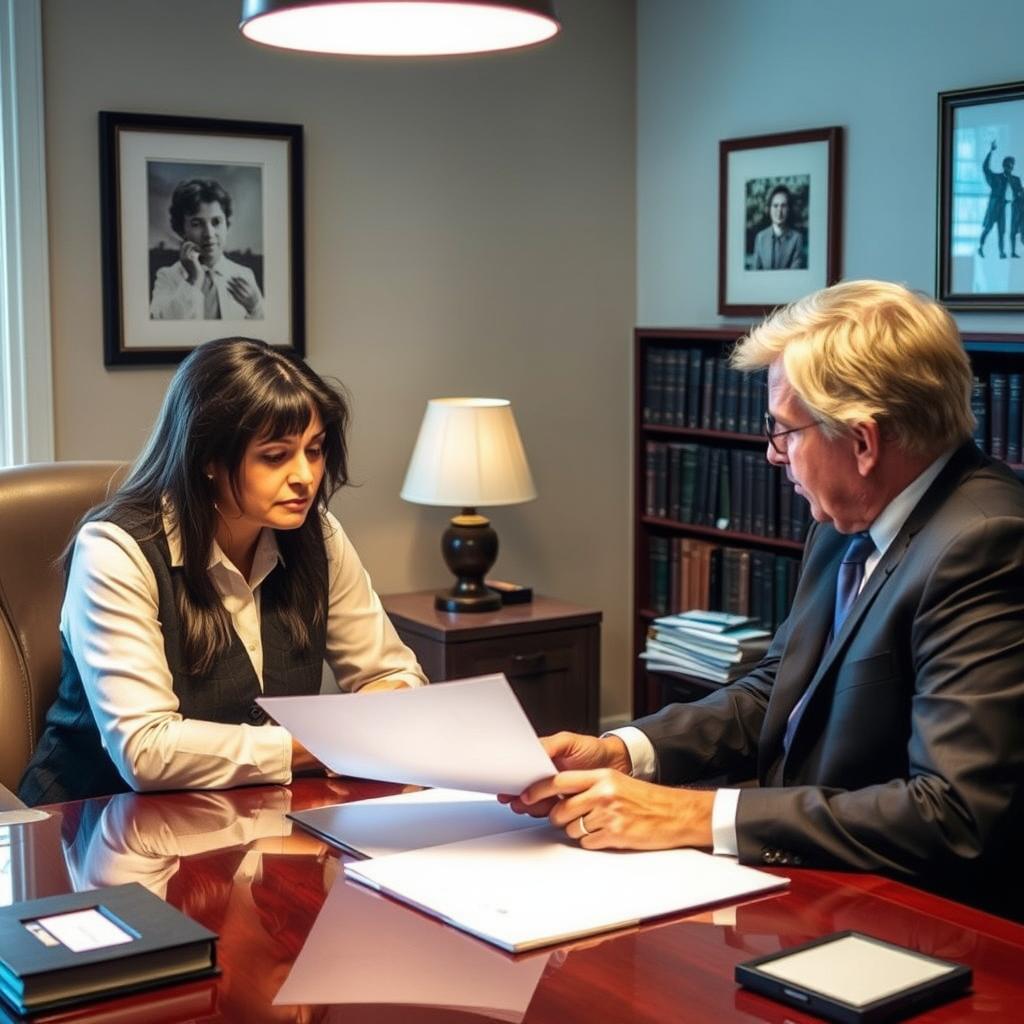
Grandparent Custody Lawyer Fluvanna County, VA
When a grandparent’s relationship with a child is at stake, understanding the legal options in Fluvanna County, Virginia is the first step. Virginia law allows grandparents to petition for custody or visitation under specific circumstances, but the path through the Fluvanna County Juvenile and Domestic Relations District Court or the Fluvanna County Circuit Court requires careful preparation and a thorough grasp of the trusted‑interests standard. Mr. Sris and his Of Counsel team represent grandparents in Palmyra, Fork Union, Lake Monticello, and throughout Fluvanna County. Law Offices Of SRIS, P.C. has documented case results across Virginia; firm‑wide, SRIS actively practices here with over 4,739 documented case results and a 93% favorable outcome rate overall. Results may vary. For a consultation about your grandparent custody matter, contact us at (888) 437‑7747. Law Offices Of SRIS, P.C. – Advocacy Without Borders.
What Grandparent Custody Means in Fluvanna County
Grandparent custody in Virginia is governed by the trusted‑interests‑of‑the‑child framework under Va. Code § 20‑124.3. When a grandparent seeks physical or legal custody—rather than just visitation—the court must weigh ten statutory factors, including the child’s relationship with the grandparent, the parents’ ability to care for the child, and any history of family abuse. Fluvanna County’s courts follow the same statewide statutes, but local practice can influence how a petition is received. The Fluvanna County Juvenile and Domestic Relations District Court, located at 72 Main Street, Suite B, Palmyra, VA 22963, has jurisdiction over standalone custody and visitation petitions, while the Fluvanna County Circuit Court handles custody issues that arise within a divorce or equitable distribution case. Grandparents who live in Palmyra, Fork Union, or Lake Monticello often file petitions in the J&DR Court. The court’s calendar, the availability of a guardian ad litem, and the specific facts of each family situation all shape the timeline, which typically varies by case complexity.
Virginia law does not grant automatic rights to grandparents; instead, a grandparent must show that awarding custody or visitation serves the child’s best interests and that one of several statutory gateways applies—for example, if both parents are deceased or unfit, or if extraordinary circumstances exist. Mr. Sris and his Of Counsel help grandparents evaluate whether their situation meets the threshold for a petition and then prepare the necessary pleadings for the Fluvanna County courts. Because these cases frequently involve sensitive family dynamics, the firm works to present a clear, child‑focused narrative while respecting the procedural requirements of the local court.
How Mr. Sris and His Of Counsel Handle Grandparent Custody Cases
A grandparent custody case begins with a thorough consultation where Mr. Sris and his Of Counsel learn the family background, assess the strengths and weaknesses of the potential petition, and explain what to expect in the Fluvanna County court system. The team then drafts a petition for custody or visitation, tailored to the facts and supported by the evidence the grandparent can provide—such as documentation of a parent’s unfitness, a history of the child’s care by the grandparent, or school and medical records. Once the petition is filed, the court will schedule a hearing. Because the Fluvanna County J&DR Court handles the vast majority of grandparent custody matters, Mr. Sris and his Of Counsel are familiar with the local docket and the expectations of the judges and court services personnel.
At the hearing, the attorney presents evidence, examines witnesses, and argues that the requested custody or visitation arrangement serves the child’s best interests. If the case is contested, the firm may engage a guardian ad litem to investigate and report to the court. Throughout the process, Mr. Sris and his Of Counsel keep the grandparent informed and work to resolve the matter as efficiently as possible—whether through negotiation, mediation, or a contested hearing. The firm’s goal is to secure a stable, legally enforceable arrangement that protects the grandparent‑child bond.
About Mr. Sris and His Of Counsel Team
Mr. Sris, Owner and Founder of Law Offices Of SRIS, P.C., has practiced family law in Virginia since 1997. A former prosecutor, he brings a thorough understanding of courtroom procedure and the ability to craft compelling arguments under the trusted‑interests standard. Mr. Sris testified before the Virginia House Courts of Justice Committee in support of 2019 HB 635 (chief patron Del. David Bulova), a measure that revised the equitable‑distribution statute—demonstrating his commitment to improving Virginia family law. His Of Counsel colleagues complement his experience with additional backgrounds in litigation, child welfare, and family law. Together, Mr. Sris and his Of Counsel bring extensive combined legal experience to grandparent custody matters in Fluvanna County. The firm serves the area from its Shenandoah location; reach us at (888) 437‑7747 to schedule a consultation.
Frequently Asked Questions
What rights do grandparents have for custody in Virginia?
Virginia law allows grandparents to petition for custody or visitation when certain statutory conditions are met and the court finds that the arrangement is in the child’s best interests. A grandparent does not have an automatic right to custody; the court applies the ten factors under Va. Code § 20‑124.3 and examines the parents’ fitness, the child’s relationship with the grandparent, and whether awarding custody to the grandparent would harm the child. The specific facts of each case determine the outcome.
How does a Virginia court decide a grandparent custody case?
The court decides grandparent custody by applying the trusted‑interests‑of‑the‑child factors set out in Va. Code § 20‑124.3 and by considering any relevant evidence presented at a hearing. The judge reviews witness testimony, documents, and often a guardian ad litem’s report. The court must also determine whether the grandparent has standing—whether the situation fits one of the statutory gateways, such as parental unfitness or death of both parents. The judge’s ultimate decision is based on what will best promote the child’s safety and well‑being.
Can I get visitation rights as a grandparent in Fluvanna County?
Yes, Virginia law provides a separate framework for grandparent visitation under certain circumstances. Even if a grandparent cannot obtain full custody, the court may order visitation if it finds that a denial of visitation would harm the child and that visitation serves the child’s best interests. Petitions for visitation are also filed in the Fluvanna County J&DR Court and are fact‑intensive. The court will consider the existing relationship between the grandparent and the child, the reasons the parent opposes visitation, and the child’s wishes if the child is old enough to express a reasoned preference.
What evidence do I need to support a grandparent custody petition in Virginia?
Grandparents should gather any documentation that demonstrates their involvement in the child’s life, the parents’ inability to provide proper care, or other circumstances that touch on the trusted‑interests factors. Useful evidence includes school records showing the grandparent as the emergency contact, medical records, letters or emails from the parents acknowledging the grandparent’s role, and witness statements from neighbors, teachers, or coaches. If the parent has a history of abuse, neglect, or substance abuse, relevant court records or police reports can be critical. An attorney can help identify and organize the most compelling evidence.
How does the grandparent custody process work in Fluvanna County specifically?
The process begins with filing a petition for custody or visitation in the Fluvanna County Juvenile and Domestic Relations District Court, located at 72 Main Street, Suite B, Palmyra. After filing, the court sets a hearing date. The other parent is served with the petition, and both sides may be ordered to participate in mediation or cooperate with a guardian ad litem investigation. The judge then hears the evidence and issues a ruling. If the case involves a divorce or equitable distribution matter, the custody issue may be heard in Fluvanna County Circuit Court instead. Because each case is unique, the timeline varies; Mr. Sris and his Of Counsel can provide an estimate after reviewing the specific facts.
Do I need a lawyer for a grandparent custody case in Fluvanna County?
While you are not legally required to have an attorney, grandparent custody cases involve complex statutory requirements and evidentiary burdens that are difficult to navigate without legal representation. An experienced family law attorney can evaluate your standing, prepare the necessary pleadings, advocate for your position at the hearing, and help you avoid procedural missteps that could delay or derail your case. Mr. Sris and his Of Counsel offer consultations to discuss your situation and determine the most effective approach for your Fluvanna County grandparent custody matter. For a consultation, reach Mr. Sris and his Of Counsel at (888) 437‑7747.
Related resources from our firm: Fairfax County family law representation | Prince William County family law services | Manassas family law legal team | Fairfax City family law matters | Falls Church family law attorney
Authoritative primary sources: Virginia Code Title 20 – Domestic Relations | Virginia Juvenile and Domestic Relations District Courts | Virginia’s Judicial System
Attorney advertising. Prior results do not guarantee a similar outcome. Results may vary. Law Offices Of SRIS, P.C. is a multi‑state law firm practicing in Virginia, Maryland, the District of Columbia, New Jersey, and New York. Mr. Sris is admitted in Virginia, Maryland, the District of Columbia, New Jersey, and New York. All non‑Sris attorneys serve as Of Counsel. Nothing on this page should be interpreted as a promise of a specific result. Every case is different; consult an attorney about your individual circumstances.
Case results depend on a variety of factors unique to each case.