
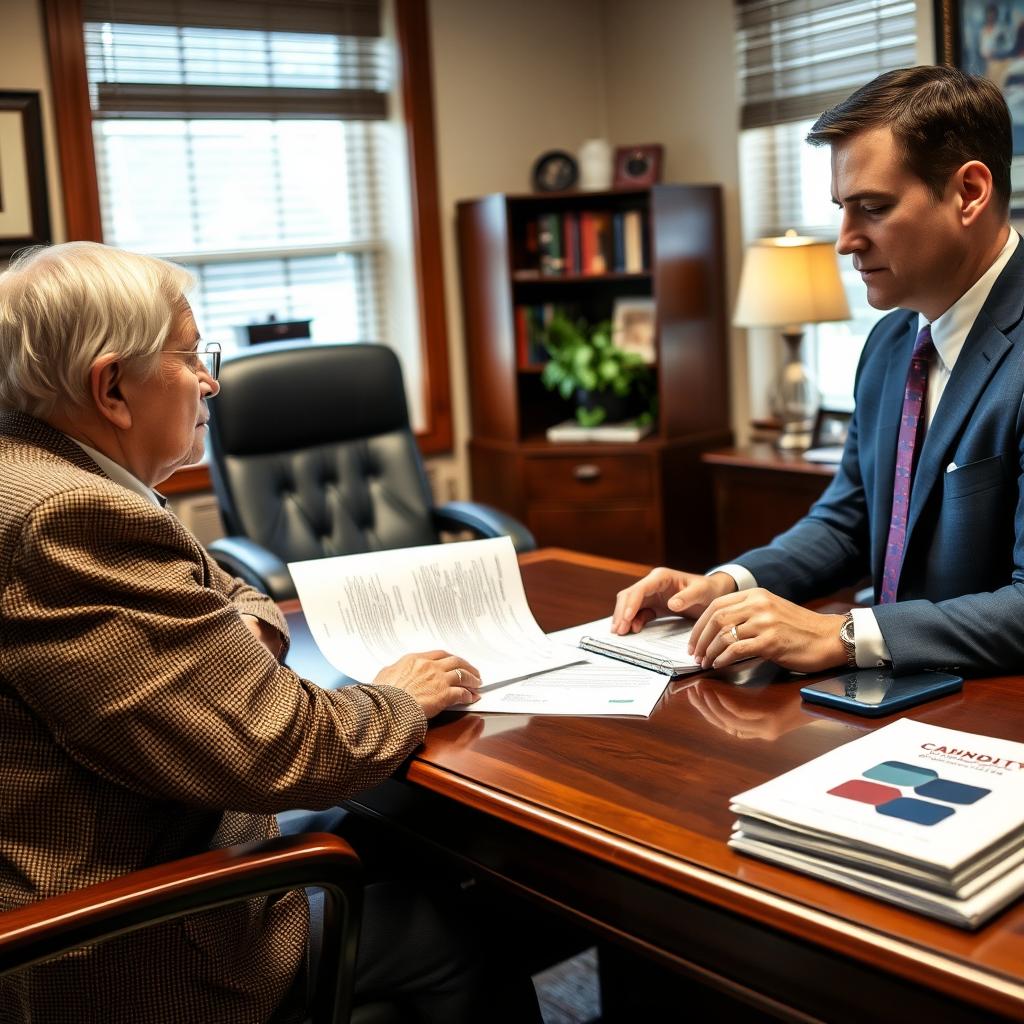
Grandparent Custody Lawyer Rappahannock County, VA
Grandparent custody matters present emotionally charged legal challenges, particularly in rural Virginia communities where extended family often plays a central role in a child’s life. In Rappahannock County, Virginia, grandparents who seek legal custody of a grandchild must navigate the same statutory framework that governs all child custody determinations. India is not a signatory to the 1980 Hague Convention on Civil Aspects of International Child Abduction. The county’s judicial landscape includes the Rappahannock County Juvenile and Domestic Relations District Court for standalone custody petitions and the Rappahannock County Circuit Court for custody issues arising within a divorce or equitable distribution proceeding. Law Offices Of SRIS, P.C., with a Fairfax Location serving clients throughout Northern Virginia, concentrates its practice on family law matters, including grandparent custody, and brings extensive combined legal experience between Mr. Sris and his Of Counsel. To request a consultation about your situation, reach us at (888) 437-7747. Law Offices Of SRIS, P.C. – Advocacy Without Borders.
What Grandparent Custody Means in Rappahannock County, Virginia
Grandparent custody in Virginia is not a separate legal cause of action but falls under the general child custody provisions codified in Title 20 of the Virginia Code. The controlling standard—whether the petitioner is a parent, grandparent, or other person with a legitimate interest—is the best interests of the child. Under Va. Code § 20-124.3, a court must consider ten statutory factors, including the child’s age and physical and mental condition, the role each parent has played in the child’s upbringing, the child’s relationship with siblings and extended family, any history of family abuse, and the reasonable preference of the child if of sufficient age and understanding. The same factors apply when a grandparent petitions for custody, and the court’s focus remains squarely on what arrangement serves the child’s welfare rather than on the grandparent’s desire to be the caregiver.
Rappahannock County’s rural character and small population contribute to a legal environment where family law matters are often handled with close attention to the individual circumstances of each household. The Rappahannock County Juvenile and Domestic Relations District Court, located at 250 Gay Street in Washington, Virginia, generally hears petitions for custody when the parents are not married or when the proceeding is independent of a divorce. If the custody dispute arises within a divorce action, jurisdiction lies with the Rappahannock County Circuit Court at the same address. Grandparents who already have a relationship with their grandchildren and who can demonstrate that placement with them serves the child’s best interests may have standing to petition. However, Virginia courts give substantial weight to the parental preference, and a grandparent seeking custody against the wishes of a fit parent faces a higher evidentiary burden. Because the procedural nuances can differ depending on whether the petition is filed in the juvenile court or the circuit court, familiarity with local practice is valuable.
How Mr. Sris and His Of Counsel Handle Grandparent Custody Cases
Mr. Sris and his Of Counsel approach grandparent custody matters with a focus on building a thorough, fact-intensive record that addresses each of the statutory best-interest factors. The process typically begins with a review of the family’s history, the child’s current living situation, and any documentation that supports the grandparent’s position. If the parents are unfit, have voluntarily relinquished care, or if extraordinary circumstances exist, the team works to present evidence that illustrates why the child’s welfare is better served in the grandparent’s custody. Where appropriate, they may also explore the possibility of a negotiated resolution—such as a consent custody order or a shared custody arrangement—that protects the child’s stability without requiring a contested hearing.
In Rappahannock County, the timeline for a custody case varies by court scheduling and the complexity of the issues. Uncontested matters may be resolved more quickly, while contested cases involving allegations of parental unfitness or the appointment of a guardian ad litem for the child can take longer. Mr. Sris and his Of Counsel are experienced in preparing for hearings before both the juvenile and circuit courts and understand the importance of presenting lay and expert testimony in a manner that assists the judge in applying the statutory factors. They also counsel grandparents on the legal standards they must meet—a critical distinction because many grandparents mistakenly assume that their biological relationship or a long history of caregiving automatically entitles them to custody. The representation emphasizes realistic expectations and clear communication about what Virginia law requires.
About Mr. Sris and His Of Counsel Team
Mr. Sris, Owner and Founder of Law Offices Of SRIS, P.C., has been practicing since 1997 and is admitted in Virginia, Maryland, the District of Columbia, New Jersey, and New York. A former prosecutor, he brings insight into how judges evaluate evidence and credibility in family law proceedings. Mr. Sris testified before the Virginia House Courts of Justice Committee in support of 2019 HB 635 (chief patron Del. David Bulova). His Of Counsel team includes attorneys with backgrounds in family law, child welfare, and litigation, and they are engaged through Excella. Together, Mr. Sris and his Of Counsel bring extensive combined legal experience. Results may vary. The firm’s Fairfax Location at 4008 Williamsburg Court, Fairfax, VA 22032 serves Rappahannock County and the surrounding area by appointment. Contact us at (888) 437-7747 to schedule a consultation.
Frequently Asked Questions
Can a grandparent get custody of a child in Virginia?
Yes, a grandparent can petition for custody of a child in Virginia, but the court applies the trusted-interests-of-the-child standard and gives significant weight to the wishes of fit parents. Virginia law does not create a separate grandparent custody right; instead, grandparents must demonstrate that awarding them custody serves the child’s welfare, considering all ten statutory factors under Va. Code § 20-124.3. The burden is especially high when the parent objects. For guidance on your specific situation, reach Law Offices Of SRIS, P.C. at (888) 437-7747.
What factors does the court consider for grandparent custody in Rappahannock County?
The court considers the same ten factors listed in Va. Code § 20-124.3, including the child’s age and needs, the role each parent has played, the child’s relationship with extended family, any history of abuse, and the child’s own reasonable preference if appropriate. In grandparent custody cases, additional practical considerations—such as the grandparent’s health, living situation, and ability to meet the child’s educational and medical needs—are relevant. Because Rappahannock County courts handle custody matters on a case-by-case basis, the weight given to each factor can vary. To discuss the details of your matter, contact Law Offices Of SRIS, P.C. at (888) 437-7747.
How does a grandparent start a custody case in Rappahannock County, Virginia?
A grandparent typically initiates a custody case by filing a petition in the Rappahannock County Juvenile and Domestic Relations District Court—or as part of an existing divorce proceeding in the Circuit Court—accompanied by evidence supporting the claim that custody with the grandparent is in the child’s best interests. The petition must state the factual basis for the request and may require a filing fee. Service of process on the parents follows the court’s rules, and a guardian ad litem may be appointed to represent the child’s interests. For a consultation, reach Mr. Sris and his Of Counsel at (888) 437-7747.
Do grandparents have visitation rights in Virginia?
Virginia law provides a limited statutory right for grandparents to petition for visitation under certain circumstances, but the right is not automatic and is secondary to the rights of the child’s parents. Under Va. Code § 20-124.2, a court may award grandparent visitation if it finds that a denial would harm the child and that visitation serves the child’s best interests. The standard is demanding, and the court must give deference to a parent’s decision regarding grandparent access. Grandparent visitation petitions are often heard in the Juvenile and Domestic Relations District Court.
When can a grandparent seek custody instead of a parent?
A grandparent may seek custody when a parent is found unfit, has voluntarily relinquished care of the child for an extended period, or when extraordinary circumstances exist that render parental custody detrimental to the child. Virginia courts do not lightly interfere with the parent-child relationship, but if a grandparent can prove that placement with them is necessary to protect the child’s health, safety, or welfare, a custody order in favor of the grandparent may be granted. The evidentiary standard is substantial, and each case turns on its unique facts.
Do I need a lawyer for grandparent custody in Rappahannock County?
You are not legally required to hire a lawyer for a grandparent custody case, but the legal standards are demanding and procedural missteps can harm your chances of success. Grandparent custody cases involve statutory interpretation, evidentiary burdens, and courtroom advocacy that are challenging to navigate without legal experience. An attorney can help you evaluate whether you have a viable claim, gather and present evidence, and advocate for the child’s best interests. For a consultation, reach Law Offices Of SRIS, P.C. at (888) 437-7747.
Related Family Law Representation: Fairfax County Family Law • Prince William County Family Law • Manassas City Family Law
Virginia Family Law Resources: Virginia Code Title 20 (Domestic Relations) • Rappahannock County Combined Courts • Virginia Judicial System
Attorney advertising. Prior results do not guarantee a similar outcome.
Case results depend on a variety of factors unique to each case.