
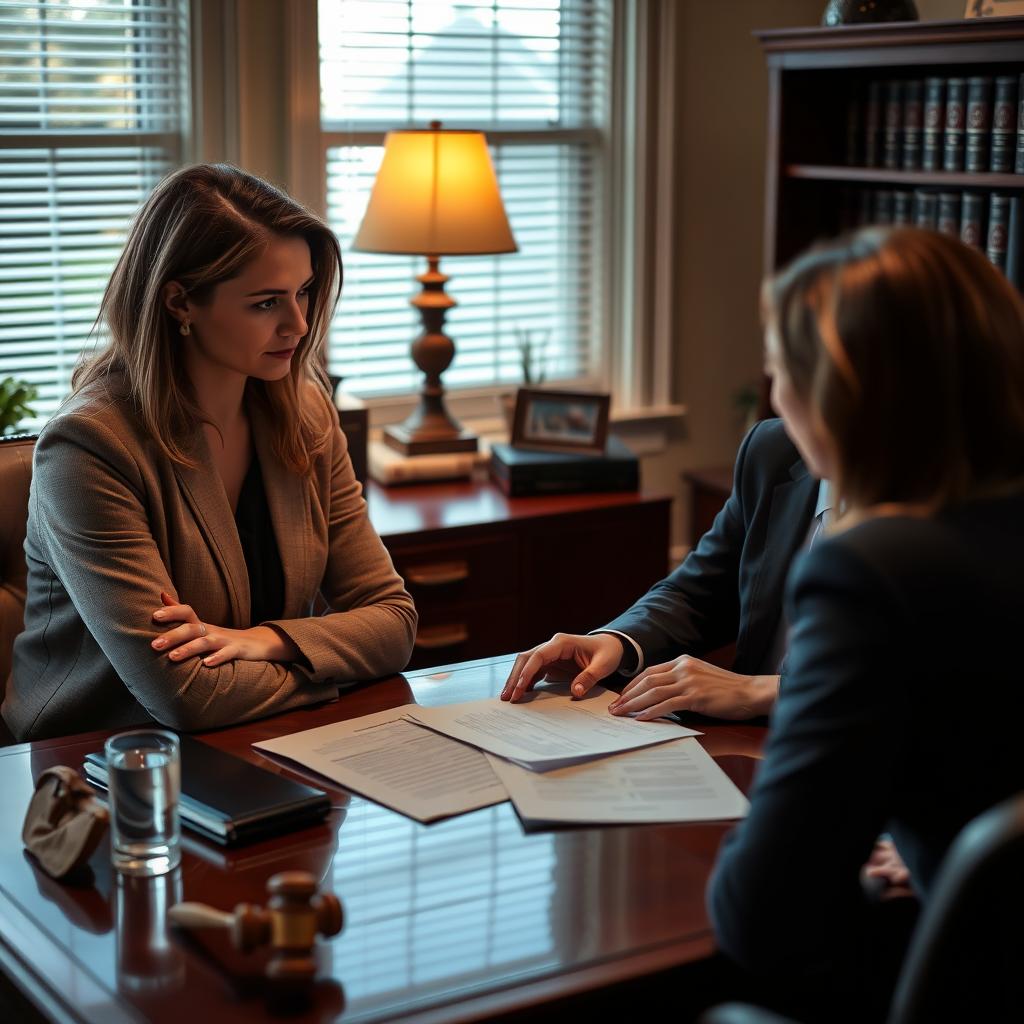
Joint Custody Lawyer Prince George County, VA
You’re a parent in Prince George County, and you and the other parent can’t agree on where your child will live, or who will make the important decisions about school, health, and activities. You’ve heard about joint custody and want to know if it’s right for your situation, and what steps you can take to get there. At Law Offices Of SRIS, P.C., Mr. Sris and his Of Counsel team have guided parents through custody disputes in Virginia for nearly thirty years—translating the court’s “best interests of the child” standard into real-world strategies. Call (888) 437-7747 to schedule a consultation. Law Offices Of SRIS, P.C. – Advocacy Without Borders.
Your Options for Pursuing Joint Custody
A custody case in Prince George County can follow several paths, and the right one depends on your family’s circumstances. Joint custody can mean joint legal custody—shared decision-making about education, medical care, and religion—or joint physical custody, where the child splits time between two homes, or both. Before you step into a courtroom, you and the other parent may be able to resolve your differences through negotiation or mediation. Mediation gives you a chance to build a parenting plan together with the help of a neutral third party. If you can reach an agreement, the court will generally approve it as long as it serves the child’s best interests—and you avoid a drawn-out fight.
If the other parent won’t cooperate, or if safety concerns exist, you may need to ask the court to decide. In that situation, having an experienced attorney who knows the local judges and procedures matters. Mr. Sris and his Of Counsel can help you present your case clearly, whether you’re seeking joint custody for the first time, asking the court to modify an existing order, or defending against an attempt to change the arrangement. The goal is always to keep the focus on what works for the child, and to keep the process as straightforward as possible.
What to Expect in a Prince George County Custody Case
In Prince George County, custody matters that arise outside of a divorce are heard in the Juvenile and Domestic Relations District Court at 6601 Courts Drive. If custody is part of a divorce, the Circuit Court handles it. The first step is usually filing a petition or complaint that explains what you’re asking for and why. The other parent will have a chance to respond. After that, the court will schedule a hearing, but the timeline varies by the court’s calendar and the complexity of the case. Before the hearing, you may be ordered to attend mediation. The court can also appoint a guardian ad litem—an attorney for the child—who will investigate and make a recommendation to the judge.
At the hearing, the judge considers the factors spelled out in Virginia Code § 20-124.3, including the child’s relationship with each parent, each parent’s role in the child’s life, and any history of abuse. The judge will not automatically split time 50/50; the focus is on what arrangement best supports the child’s development. After the hearing, the judge issues a custody order. If circumstances change down the road, either parent can ask the court to modify the order, but you’ll need to show a material change in circumstances. Mr. Sris and his Of Counsel can explain what that means for your specific case.
What the Court Considers—and the Consequences of Not Following an Order
Virginia judges apply the “best interests of the child” standard, examining ten factors that range from the child’s age and health to each parent’s willingness to support the other parent’s relationship with the child. A judge in Prince George County will also consider practical details, such as how far apart the parents live and whether the arrangement allows the child to stay in the same school. Joint custody doesn’t mean both parents get an equal say in every situation; the court often awards joint legal custody while designating one parent’s home as the primary residence for school purposes.
Once a custody order is in place, both parents are expected to follow it. If one parent denies visitation, repeatedly fails to return the child on time, or makes major decisions without consulting the other parent, the aggrieved party can file a motion for contempt or enforcement. The court can order make-up visitation, require the violating parent to pay the other’s attorney fees, or, in severe cases, change the custody arrangement altogether. Because these disputes can escalate quickly, it’s wise to have an attorney who can explain your rights and, if necessary, present a strong argument to the judge.
About Mr. Sris and His Of Counsel Team
Mr. Sris founded Law Offices Of SRIS, P.C. in 1997 and serves clients across Virginia, Maryland, the District of Columbia, New Jersey, and New York. A former prosecutor, he brings courtroom experience to every family law matter. Mr. Sris testified before the Virginia House Courts of Justice Committee in support of 2019 HB 635 (chief patron Del. David Bulova), which revised the equitable distribution statute. Mr. Sris and his Of Counsel bring over 120 years of combined legal experience to custody, divorce, and related family law disputes, with over 4,739+ documented firm-wide results. Results may vary.
The firm’s Of Counsel include attorneys with backgrounds as a former Maryland Assistant State’s Attorney, a former Virginia State Trooper, and a former contract attorney for the City of Alexandria handling CPS and child welfare cases. Mr. Sris keeps his personal caseload small so he can give each client’s situation the attention it deserves, and he collaborates closely with his Of Counsel team. Whether you’re trying to reach an agreement outside of court or you’re preparing for a trial, you’ll have a dedicated legal team on your side.
Frequently Asked Questions About Joint Custody in Prince George County
What exactly does “joint custody” mean in Virginia?
Joint custody in Virginia can mean joint legal custody, joint physical custody, or both, and the arrangement is tailored to the child’s best interests. Joint legal custody gives both parents a voice in major decisions about education, health care, and religious upbringing. Joint physical custody means the child splits time between two homes, but it doesn’t have to be a 50/50 split. The judge decides what schedule works for the child, considering the ten factors in Virginia Code § 20-124.3. Even when parents share joint legal custody, one parent’s home is typically designated as the primary residence for school enrollment. Mr. Sris can explain the differences and help you decide which type of joint custody to pursue.
How does the court decide whether joint custody is appropriate in Prince George County?
The judge weighs ten best-interest factors, including the child’s relationship with each parent, each parent’s ability to meet the child’s needs, and any history of abuse or neglect. The court also looks at practical matters: the parents’ work schedules, the distance between their homes, and the child’s ties to the community. A guardian ad litem may be appointed to investigate and make a recommendation. The judge’s overriding concern is the child’s well-being, not the parents’ preferences. If you can show that you and the other parent can communicate and cooperate, that strengthens your case for joint custody. Mr. Sris and his Of Counsel have handled many custody cases in Prince George County and can help you present the necessary evidence.
Can a parent be denied joint custody in Virginia?
Yes, a court can deny joint custody if it finds that the arrangement would not serve the child’s best interests—for example, when there is a history of domestic violence, substance abuse, or a parent’s unwillingness to cooperate. Even if both parents want joint custody, the judge has the final say. If one parent is absent, uninvolved, or lives far away, the court may grant sole custody to the other parent with visitation rights. If you’re worried the other parent will try to block joint custody, an experienced attorney can help you build a record that shows why shared parenting is right for your child.
What if the other parent and I can’t agree on anything?
If you can’t reach an agreement, the court will decide for you. Prince George County encourages mediation before trial, and a neutral mediator can help you work through disagreements on parenting time, holidays, and decision-making. If mediation fails, the case goes to a hearing. At that point, each parent presents evidence—testimony, documents, and perhaps witness statements—and the judge makes the custody determination. Mr. Sris and his Of Counsel will be with you every step of the way, preparing your case, anticipating the other side’s arguments, and advocating for a fair result.
Do I really need a lawyer for a joint custody case?
You are not required to have a lawyer, but the process involves procedural rules, evidence requirements, and legal standards that can be difficult to manage without professional guidance. A minor mistake—like missing a deadline or failing to raise an important objection—can set you back. An attorney who is familiar with the Prince George County courts and the local judges can advise you on what arguments are most likely to succeed and can handle the paperwork and court appearances. For a consultation, reach Mr. Sris and his Of Counsel at (888) 437-7747.
How long does a custody case take in Prince George County?
The timeline depends on whether the case is contested, the court’s calendar, and whether mediation or a guardian ad litem is involved. An uncontested case where both parents agree on joint custody can be resolved in a matter of months once the paperwork is filed and the court reviews the parenting plan. A contested case, especially one that requires multiple hearings and a trial, takes longer. Mr. Sris can give you an estimate based on the specific circumstances of your case after an initial consultation.
What should I bring to a consultation with a custody attorney?
Bring any court documents you’ve already received or filed, a written summary of your current custody situation, and a list of questions. If you have a proposed parenting plan, bring that too. It’s also helpful to have notes about the other parent’s involvement, any communications between you (texts, emails), and the child’s school and medical records. The more information you can provide upfront, the better Mr. Sris or his Of Counsel can evaluate your options. To schedule a consultation, call (888) 437-7747.
Can joint custody be modified later?
Yes, either parent can ask the court to modify a custody order if there has been a material change in circumstances since the last order. A material change might include a parent relocating, a change in the child’s needs, or evidence that the current arrangement is no longer working. The parent requesting the change must show that the modification is in the child’s best interests. As with an initial custody case, the court will consider the ten factors under Virginia Code § 20-124.3. Mr. Sris and his Of Counsel regularly handle modification and enforcement actions in Prince George County.
What if I’m planning to move out of state with my child?
Virginia law requires you to give the other parent and the court at least 30 days’ advance written notice before relocating. If the other parent objects, the court will hold a hearing and decide whether the move is in the child’s best interests. A relocation can also trigger a request to modify the custody order. Because these situations are legally complex, it’s important to speak with an attorney before you make any plans. Mr. Sris and his Of Counsel can explain the notice requirements and help you present your case for the move.
How do I start the process of getting joint custody?
You begin by filing a petition—either a complaint for divorce if custody is part of a divorce, or a petition for custody in the Juvenile and Domestic Relations District Court if it’s a standalone matter. The forms are available from the court clerk’s office, but an attorney can draft the petition to make sure it accurately describes your situation and the relief you’re seeking. Once the petition is filed and served on the other parent, the court will schedule a hearing. To discuss your situation and learn what steps to take, reach Law Offices Of SRIS, P.C. at (888) 437-7747.
For a full statutory breakdown of Virginia custody laws, see our comprehensive analysis.
Our Richmond Location Serves Prince George County
7400 Beaufont Springs Drive, Suite 300, Room 395, Richmond, VA 23225
(804) 201-9009
By appointment. Call (888) 437-7747 to schedule.
Authoritative primary sources: Virginia Code § 20-124.3 – Best interests of the child | Prince George County Circuit Court | Virginia Juvenile and Domestic Relations District Courts
Attorney advertising. Prior results do not guarantee a similar outcome. Case results depend on a variety of factors unique to each case. Results may vary. Attorney responsible for this advertising: Mr. Sris.