
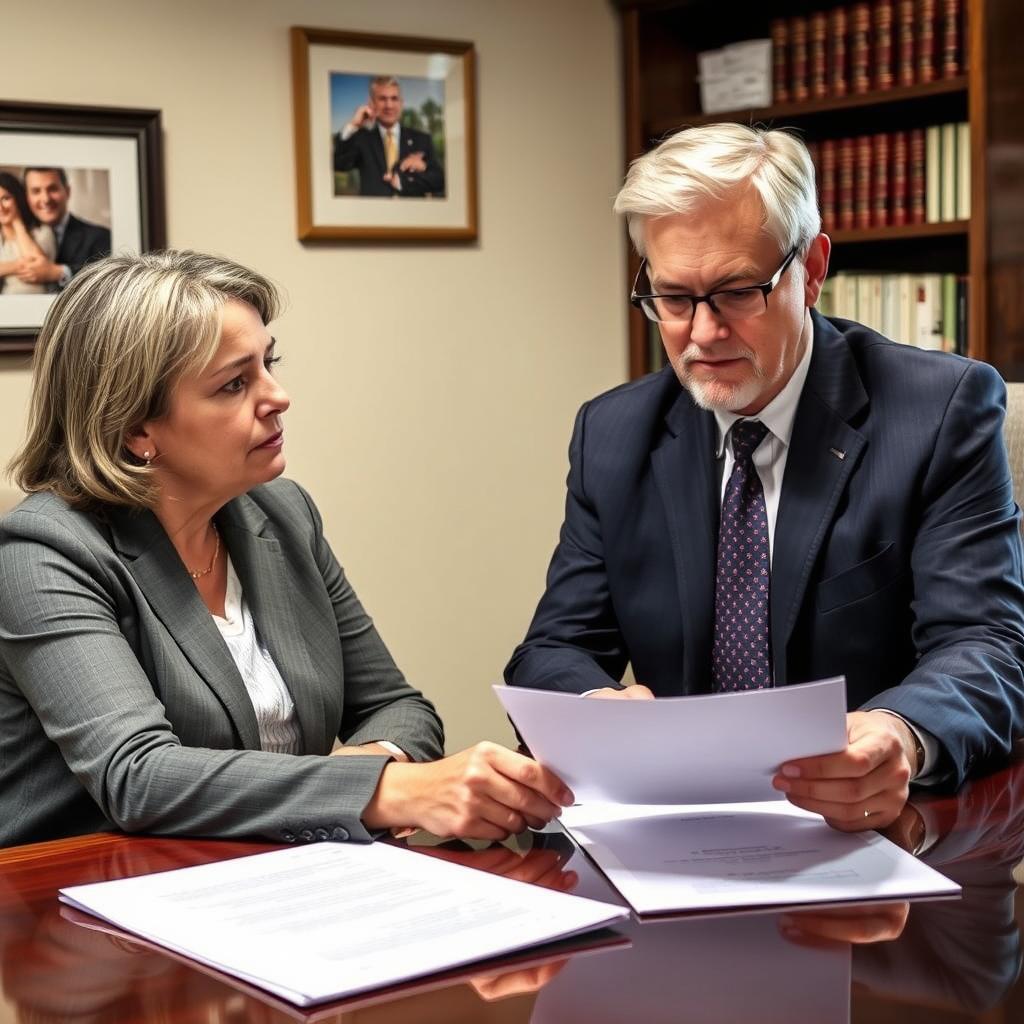
Kinship Guardianship Lawyer Isle of Wight County, VA
You are a grandmother in Smithfield. Your daughter can no longer care for your granddaughter, and the child is with you full‑time. You feed her, take her to school, and sit at the doctor’s office. But when the school needs proof of guardianship or the doctor asks for legal authorization, you realize the care you already give has no legal standing. That is where kinship guardianship comes in. Mr. Sris and his Of Counsel at Law Offices Of SRIS, P.C. help relatives in Isle of Wight County secure the legal authority they need to make decisions for a child in their care. Reach the firm at (888) 437‑7747. Law Offices Of SRIS, P.C. – Advocacy Without Borders.
How We Approach Kinship Guardianship in Isle of Wight County
A kinship guardianship allows a relative—a grandparent, aunt, uncle, or adult sibling—to step into a parental role when the child’s parents are unable or unwilling to do so. Unlike adoption, kinship guardianship does not permanently terminate parental rights. The guardian gains legal authority over the child’s education, healthcare, and daily welfare, while the parents may retain certain rights, including the ability to seek a return of custody if circumstances change.
Mr. Sris and his Of Counsel begin by listening to the family’s story. Every kinship guardianship petition in Isle of Wight County starts with a fact‑specific assessment: why the child is in your home, what the parents’ situation looks like, and what long‑term arrangement best serves the child’s needs. The firm then prepares the petition and supporting documentation, gathers necessary consents or addresses contested issues, and appears with you at the Isle of Wight County Juvenile and Domestic Relations District Court—or, when the matter arises in a divorce or equitable distribution case, in the Isle of Wight County Circuit Court. Throughout the process, the focus remains on protecting the child’s stability while respecting the parents’ legal rights to the extent the child’s best interests allow.
What to Expect in the Kinship Guardianship Process
The typical kinship guardianship begins with a petition filed in the Juvenile and Domestic Relations District Court, located at 17122 Monument Circle, Suite A, Isle of Wight, VA 23397. The court reviews whether placing the child with the relative is in the child’s best interests, whether the parents consent or whether their lack of consent can be overcome by a showing of necessity, and whether the proposed guardian is suitable. A guardian ad litem may be appointed to represent the child’s interests.
If the case is not contested and all necessary adults consent, the process can move relatively quickly. If a parent opposes the guardianship, the matter may require a hearing where the court weighs testimony and evidence. Mr. Sris and his Of Counsel have experience advocating for relatives in both contested and uncontested proceedings, drawing on extensive combined legal experience. Results may vary.
Isle of Wight County General District Court is currently presided over by Hon. Robert C. Barclay IV. Court hours: Mon‑Fri 8:00AM‑4:00PM. Counsel appearing on family law matters should plan filings accordingly.
The Risks of Not Having Legal Guardianship
Without a court‑ordered kinship guardianship, a relative raising a child faces daily obstacles. Schools may refuse to enroll the child without proof of legal custody. Pediatricians and hospitals often require a guardian’s authorization before providing non‑emergency medical care. Insurance coverage can be disrupted if the child is not listed as a dependent under a legal relationship. Even mundane decisions—signing a permission slip or authorizing a field trip—can become points of friction. A formal guardianship eliminates these hurdles by giving the relative‑caregiver the same legal authority a parent would exercise over the child’s personal affairs.
Additionally, a kinship guardianship provides stability for the child. It signals to government agencies, educators, and healthcare providers that the child is in a lawful, permanent‑like placement. It also establishes a clear legal framework if the parents attempt to reclaim the child without demonstrating changed circumstances. Without the court order, the caregiver’s authority is fragile and can be challenged at any time.
About Mr. Sris and the Firm’s Of Counsel Attorneys
Mr. Sris, Owner and Founder of Law Offices Of SRIS, P.C., has practiced since 1997. A former prosecutor, he brings a courtroom‑tested perspective to family law matters, including kinship guardianship cases in Isle of Wight County. Mr. Sris is admitted in Virginia, Maryland, the District of Columbia, New Jersey, and New York, and the firm’s Richmond Location serves clients across central Virginia, including Isle of Wight County, Smithfield, Windsor, and Carrollton.
The firm’s Of Counsel attorneys contribute additional litigation experience, including backgrounds in law enforcement and child welfare matters. This collective background allows the firm to handle kinship guardianship petitions with a thorough understanding of both the procedural requirements and the human dynamics involved. The firm has documented case results across all practice areas since 1997. Results may vary.
Frequently Asked Questions About Kinship Guardianship
What is kinship guardianship in Virginia?
Kinship guardianship is a legal arrangement that grants a relative caregiver authority to make decisions for a minor child. Under Virginia law, a court may appoint a grandparent, aunt, uncle, or other adult relative as the child’s guardian when the parents are unable or unwilling to care for the child. The guardian assumes responsibility for the child’s education, healthcare, and general welfare. Unlike adoption, kinship guardianship does not permanently sever the parents’ legal rights, and in some circumstances, the guardianship may be modified or terminated if the parents become fit to resume custody.
Who can file for kinship guardianship in Isle of Wight County?
An adult relative—typically a grandparent, aunt, uncle, or adult sibling—may petition the Isle of Wight County Juvenile and Domestic Relations District Court for kinship guardianship. Virginia law prioritizes family members when a child cannot remain with his or her parents. The petitioner must demonstrate a significant connection to the child, a willingness to assume parental responsibilities, and an ability to provide a stable home. In some cases, a non‑relative who has acted as the child’s primary caretaker may also petition, though the court applies additional scrutiny to such requests.
How is kinship guardianship different from adoption?
Kinship guardianship grants temporary legal authority over the child without permanently terminating the parents’ rights, whereas adoption creates a permanent parent‑child relationship that severs the birth parents’ legal ties. In a guardianship, the court may order the parent to pay child support, and the parent retains the right to seek a return of custody if circumstances materially improve. Adoption is final and generally irrevocable. Many families choose kinship guardianship when the child’s long‑term future is uncertain or when maintaining some connection to the parents is in the child’s best interests.
Do I need a lawyer for a kinship guardianship petition in Virginia?
You are not legally required to have an attorney to file for kinship guardianship, but the process involves detailed petitions, notice requirements, and potential contested hearings where legal representation is highly advisable. A lawyer ensures the petition complies with Virginia Code § 64.2‑2000 et seq. And that the court receives all necessary evidence to support the guardianship. If a parent contests the petition, an experienced attorney can present your case effectively and protect the child’s interests.
What rights does a kinship guardian have in Virginia?
A kinship guardian has the authority to make decisions about the child’s education, medical care, religious upbringing, and daily welfare—essentially all the powers a parent would exercise over the child’s personal needs. The guardian may enroll the child in school, consent to medical treatment, apply for government benefits on the child’s behalf, and determine where the child lives. The guardian does not, however, have the right to consent to the child’s adoption or to unilaterally change the child’s surname without court approval. If the parents are ordered to pay child support, the guardian receives those payments for the child’s benefit.
Can the parents object to a kinship guardianship?
Yes, a parent may object to the placement by appearing in court and presenting evidence that he or she is fit to care for the child and that guardianship is not necessary. The judge will evaluate the child’s best interests based on factors that include the parent’s current ability to provide a safe home, the child’s relationship with the proposed guardian, and any history of abuse or neglect. If the court finds clear and convincing evidence that the parent is unable or unwilling to care for the child properly, the guardianship may be granted over the parent’s objection. Mr. Sris and his Of Counsel handle both consent and contested postures.
How long does a kinship guardianship last?
A kinship guardianship remains in effect until the child turns 18, unless the court modifies or terminates it earlier. Either party may petition the court to end the guardianship if the parents demonstrate a material change in circumstances and the ability to properly care for the child. The court will then decide whether termination is in the child’s best interests. Until a court order is entered, the guardianship continues, and the guardian retains all legal authority over the child.
What is the process for filing a kinship guardianship in Isle of Wight County?
The process begins with filing a petition in the Isle of Wight County Juvenile and Domestic Relations District Court, located at 17122 Monument Circle, Suite A, Isle of Wight, VA 23397. The petitioner must serve the petition on the child’s parents and any other interested parties. The court may appoint a guardian ad litem to represent the child’s interests. If all parties consent and no disputed issues exist, the court may enter an order without a full hearing. If there is a contest, the court schedules an evidentiary hearing. An experienced attorney can prepare the necessary documents and advocate at all stages of the proceeding. For guidance on your specific situation, reach Law Offices Of SRIS, P.C. at (888) 437‑7747.
Speak with a Kinship Guardianship Attorney Serving Isle of Wight County
If you are caring for a relative’s child and need legal standing to make decisions, contact Law Offices Of SRIS, P.C. at (888) 437‑7747 to request a consultation. Mr. Sris and the firm’s Of Counsel attorneys appear in Isle of Wight County courts and can guide you through every step of the kinship guardianship process.
For a full statutory breakdown, see our comprehensive analysis.
Primary sources:
Virginia Code Title 64.2 (Guardianship) •
Isle of Wight County Circuit Court
Attorney advertising. Prior results do not guarantee a similar outcome. Results may vary.
Case results depend on a variety of factors unique to each case.