
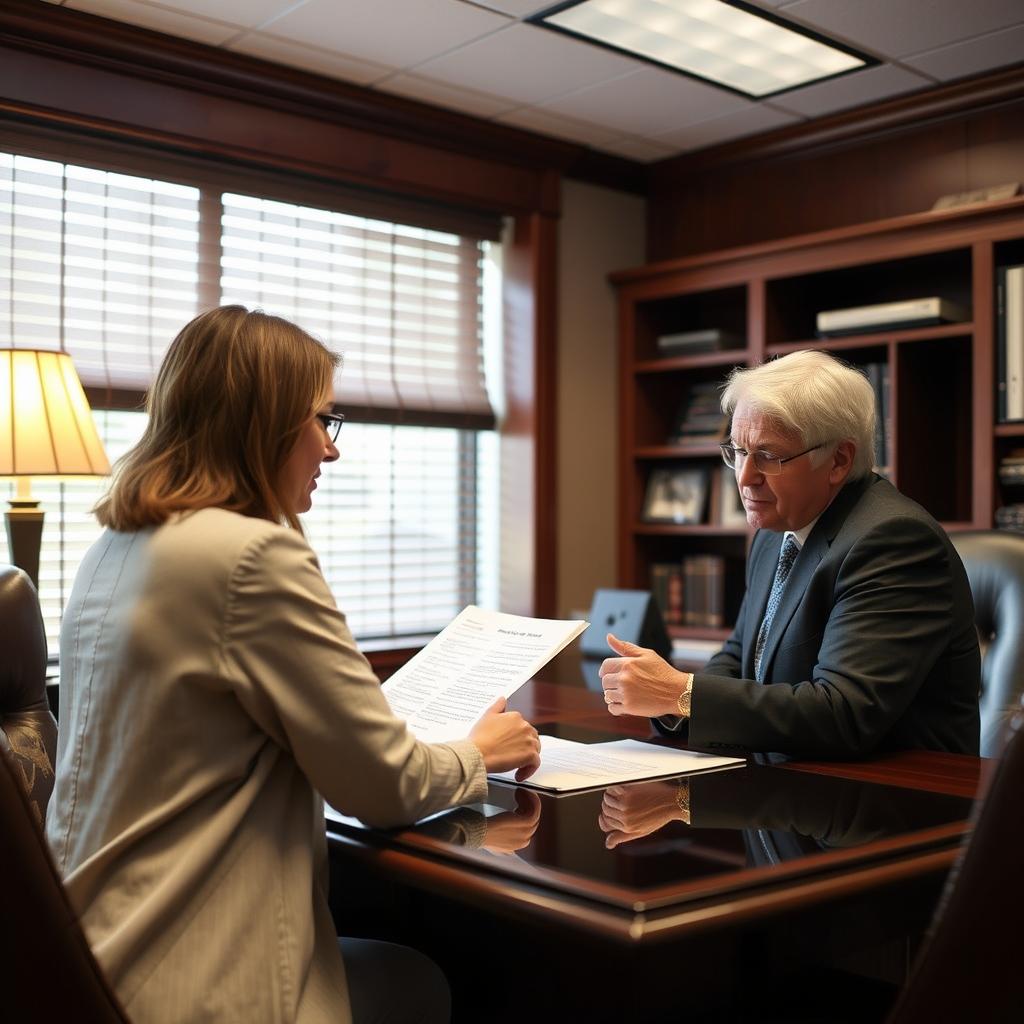
Kinship Guardianship Lawyer King William County, VA
When a child’s parents cannot provide care, a kinship guardian steps in to give the child a stable home—often a grandparent, aunt, uncle, or other close relative. A kinship guardianship petition in King William County, Virginia, asks the court to grant legal authority to a family member so the child can live with them, receive medical care, and attend school without ongoing disruption. These matters are heard at the King William County Juvenile and Domestic Relations District Court, located at 351 Courthouse Lane in King William. The court applies the trusted‑interests standard under Virginia law and requires evidence that the guardianship will serve the child’s well‑being. Whether you are seeking to become a guardian, or you are a parent responding to a petition filed by a relative, experienced legal guidance can help you present the facts clearly and protect your relationship with the child. To discuss a kinship guardianship case in King William County with an attorney, contact Law Offices Of SRIS, P.C. at (888) 437‑7747.
What Kinship Guardianship Means in King William County, Virginia
Kinship guardianship is a court proceeding in which a family member—or, in some instances, another adult with a significant connection to the child—asks for legal custody and decision-making authority. In Virginia, the statutory framework for guardianship of minors is set out in Title 64.2 of the Virginia Code. The court does not terminate parental rights the way an adoption does; parents retain certain residual rights and the guardianship can be revisited if circumstances change. The process focuses on the child’s daily needs and stability.
In King William County, cases involving custody, visitation, and support for a child are typically brought in the Juvenile and Domestic Relations District Court. When a kinship guardianship arises as part of a larger divorce or equitable distribution matter, the Circuit Court at 351 Courthouse Lane, Suite 201, King William, VA 23086 may have jurisdiction. Either court will examine the relationship between the child and the proposed guardian, the parents’ present ability to care for the child, and the child’s adjustment to the home and community. King William County is a rural area served by Route 30, Route 360, and Route 33; the court serves communities including King William, West Point, and Aylett. The judges in the Ninth Judicial District bring a practical perspective to family matters, and familiarity with local procedure can make the guardianship process more efficient.
How Mr. Sris and the Firm’s Of Counsel Attorneys Handle Kinship Guardianship Cases
Every kinship guardianship case begins with a thorough evaluation of the family’s situation. Our firm’s approach is to listen carefully to the proposed guardian and to the parents—understanding not just the legal issues but the practical arrangements that will work for the child. We gather the documents and witness statements needed to show the court that the guardianship serves the child’s best interests. If the case is contested, we work to frame the issues in a way the judge can evaluate clearly, presenting evidence of the child’s living situation, educational progress, medical care, and emotional ties.
Because kinship guardianships often involve sensitive family dynamics, our firm looks for solutions that reduce conflict when possible, while preparing thoroughly for a contested hearing when necessary. The court may appoint a guardian ad litem to represent the child, and we coordinate with that individual to make sure the child’s voice is part of the record. Throughout the process, we keep clients informed about what to expect at each stage—from the initial petition and service of process through any temporary orders and the final guardianship decree. While every case is unique, the firm’s familiarity with King William County procedures helps clients move forward with a clear plan.
About Mr. Sris and the Firm’s Of Counsel Attorneys
Mr. Sris founded Law Offices Of SRIS, P.C. in 1997. He is a former prosecutor whose experience in the courtroom informs the way he approaches family law matters. Mr. Sris testified before the Virginia House Courts of Justice Committee in support of 2019 HB 635 (chief patron Del. David Bulova), a bill addressing equitable distribution in divorce. He is admitted to practice in Virginia, Maryland, the District of Columbia, New Jersey, and New York. The firm’s Of Counsel attorneys bring additional experience from diverse legal backgrounds, including family law, custody disputes, and trial advocacy. Together, Mr. Sris and the firm’s Of Counsel attorneys bring extensive combined legal experience. Results may vary.
When you engage Law Offices Of SRIS, P.C. for a kinship guardianship matter, you work with attorneys who understand both the legal standards and the human stakes. Our Richmond location serves clients throughout King William County and the surrounding region. Consultations are by appointment; call (888) 437‑7747 to schedule.
Frequently Asked Questions
What is kinship guardianship under Virginia law?
Kinship guardianship is a legal arrangement in which a court grants a family member—such as a grandparent, aunt, or uncle—the authority to care for and make decisions on behalf of a child. Under Virginia Code Title 64.2, the court may appoint a guardian for a minor when the parents are unable to provide proper care. The guardianship does not terminate parental rights, and parents may later seek to modify or end the guardianship if conditions improve. The court’s primary consideration is the child’s best interests, including the child’s relationships with parents and the proposed guardian, the stability of the home, and the child’s wishes if age‑appropriate.
How do I file for kinship guardianship in King William County?
To initiate a kinship guardianship in King William County, you file a petition in the Juvenile and Domestic Relations District Court or, in some circumstances, in the Circuit Court. The petition must state the child’s name, age, and current living situation, explain why the guardianship is needed, and describe the relationship between the petitioner and the child. Notice must be given to the child’s parents and any other person having legal custody. After the petition is filed, the court sets a hearing. While the process is not the same as a custody case, the court’s concern remains the child’s safety and well‑being. An attorney can help you prepare the petition and gather the supporting evidence the court will expect to see.
What does the court consider when deciding whether to grant a kinship guardianship?
The court looks at the child’s best interests, weighing factors such as the child’s health and safety, the emotional bond between the child and the proposed guardian, and the parents’ present ability to care for the child. Virginia Code § 64.2‑2000 provides the framework for appointing a guardian. The judge will examine the living situation the guardian can offer, the child’s school and community ties, any history of abuse or neglect, and the wishes of the child if the child is of sufficient age and maturity. The court may also consider the parents’ willingness to participate in reunification efforts. A guardian ad litem may be appointed to investigate and report to the court on what arrangement would best serve the child.
Do I need a lawyer for a kinship guardianship case in King William County?
While you are not required to have a lawyer, a kinship guardianship case involves legal procedures and evidentiary rules that are difficult to navigate without representation. The court expects compliance with statutory requirements and local rules. If the petition is contested, having an attorney who knows the King William County courts can help you present your evidence effectively and respond to objections from the other side. For guidance on your specific situation, reach Law Offices Of SRIS, P.C. at (888) 437‑7747.
Can a kinship guardianship be terminated or modified later?
Yes, a kinship guardianship can be modified or terminated if the circumstances that led to the guardianship change and doing so is in the child’s best interests. Either a parent or the guardian may petition the court to alter the arrangement. The parent would need to show that they are able to resume care for the child and that termination of the guardianship would not harm the child. The guardian might seek modification to expand or narrow the scope of the guardianship. The court re-examines the child’s current situation using the same best‑interests standard. To discuss the details of your matter, contact Law Offices Of SRIS, P.C. at (888) 437‑7747.
How is kinship guardianship different from adoption in Virginia?
Kinship guardianship gives a relative temporary legal authority over a child without severing the parents’ legal rights, whereas adoption permanently ends the parental relationship and creates a new legal parent‑child bond. In a guardianship, parents may still have visitation rights and may be ordered to pay child support. The guardianship can be modified or ended if conditions improve. Adoption is final; once an adoption decree is entered, the biological parents no longer have any legal rights or responsibilities. For many families, guardianship is the better fit when the child’s need for a stable home is temporary and the parents are expected to resume care in the future.
Learn more about family law representation in Northern Virginia: family law attorney in Fairfax County | family law matters in Prince William County | divorce and family lawyer in Manassas.
Virginia primary legal sources: Virginia Code Title 64.2 (Guardianship) | King William County Courts | Virginia Judicial System.
Attorney advertising. Prior results do not guarantee a similar outcome. Results may vary.
Case results depend on a variety of factors unique to each case.