
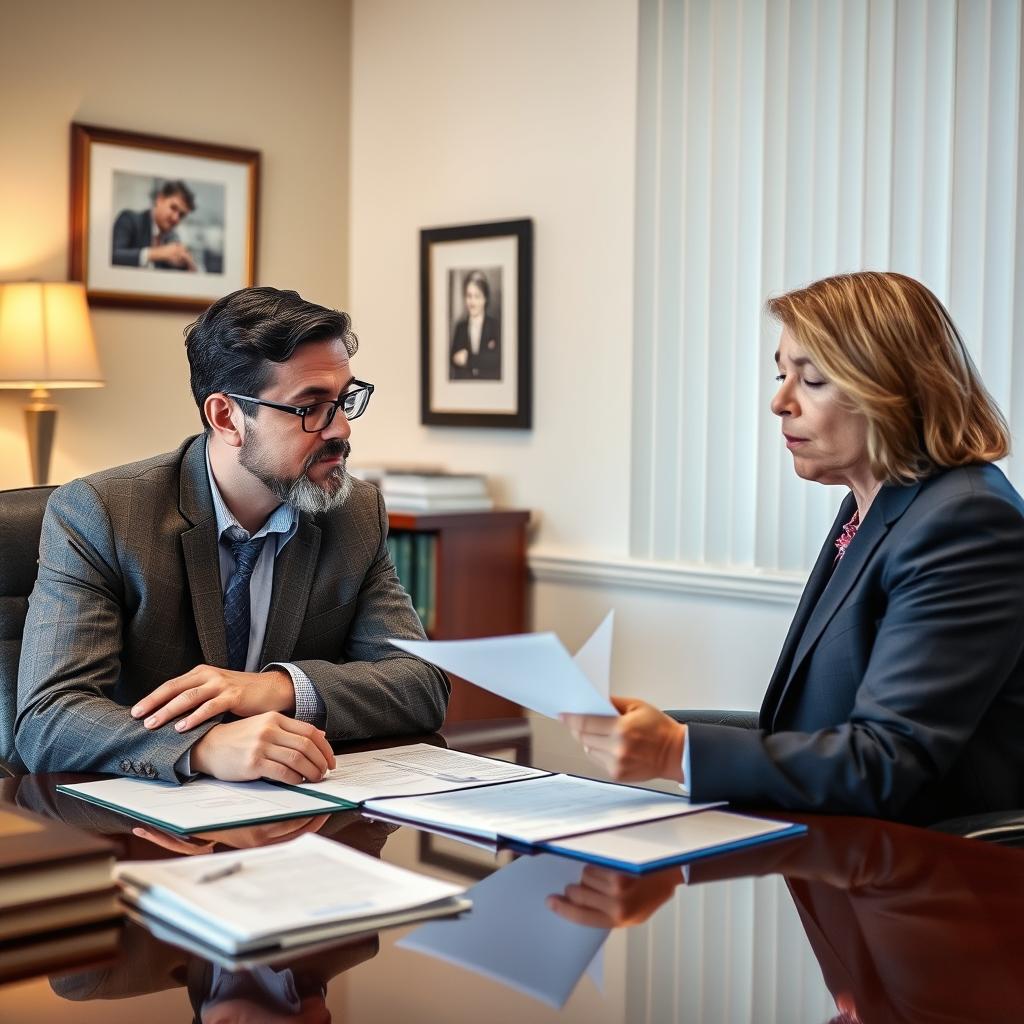
Marital Agreement Lawyer Isle of Wight County, VA
You and your partner are planning your future together in Smithfield or Windsor, and you want to set clear financial ground rules before the wedding. Or you’re already married and circumstances have changed—a business, an inheritance, a move—and a postnuptial agreement makes sense. Maybe you’re separating and want to settle everything fairly without a courtroom fight. In Isle of Wight County, a well‑drafted marital agreement protects what matters. Mr. Sris and the firm’s Of Counsel attorneys at Law Offices Of SRIS, P.C. Guide you through the process. Call (888) 437‑7747 to request a consultation. Law Offices Of SRIS, P.C. – Advocacy Without Borders.
Your Options for Marital Agreements in Isle of Wight County
Marital agreements in Virginia serve different purposes depending on where you are in your relationship. A prenuptial (prenup) agreement is signed before marriage and can define separate property, protect business interests, and set the terms of spousal support if the marriage later ends. A postnuptial agreement is executed after the wedding, often when a couple’s finances or goals change. Separation agreements—also called marital settlement agreements—resolve property division, support, and custody issues when a couple is ending their marriage. Each type must meet Virginia’s statutory requirements to be enforceable.
The Isle of Wight County Circuit Court at 17122 Monument Circle, Suite A, handles matters involving equitable distribution and divorce, while the Juvenile and Domestic Relations District Court addresses standalone custody and support. Working with an attorney who understands how agreements are treated in local courts helps build a document that withstands scrutiny. Mr. Sris and the firm’s Of Counsel attorneys have experience drafting agreements tailored to the realities of the Fifth Judicial District.
What to Expect When Drafting a Marital Agreement
The process begins with a confidential consultation where you discuss your goals, assets, and concerns. Complete and honest financial disclosure is essential—each party must fully reveal their income, debts, property, and other relevant financial information. Without full disclosure, a later challenge to the agreement is more likely. After disclosure, the parties negotiate key terms: how property will be classified and divided, what support obligations will look like, and how future disputes will be handled.
The attorneys then draft the agreement in clear, precise language. Both sides should have an opportunity to review the document with independent legal counsel to ensure fairness and understanding. Once signed and notarized, the agreement becomes a binding contract. If a divorce later occurs, the agreement is typically incorporated into the final decree by the Circuit Court. Throughout the process, the goal is a durable, balanced agreement that avoids costly litigation.
How Courts Address Challenged Agreements
Virginia courts generally enforce properly executed marital agreements. However, a party may later challenge the agreement on limited grounds, such as lack of voluntary consent, unconscionability at the time of execution, or material failure to disclose assets. If a court finds the agreement was the product of fraud, duress, or overreaching, it may set aside some or all of its provisions.
When a prenuptial or postnuptial agreement is challenged during a divorce, the spouse seeking enforcement must demonstrate that the agreement satisfies Virginia’s statutory requirements. The court examines whether both parties entered the agreement freely and with adequate knowledge of the other’s financial circumstances. A well‑drafted agreement supported by full disclosure and independent legal review is better positioned to survive a challenge. Mr. Sris and the firm’s Of Counsel attorneys structure agreements to minimize the risk of a later court battle.
About Mr. Sris and the Firm’s Of Counsel Attorneys
Mr. Sris, Owner and Founder of Law Offices Of SRIS, P.C., has practiced since 1997 and is admitted in Virginia, Maryland, the District of Columbia, New Jersey, and New York. A former prosecutor, he testified before the Virginia House Courts of Justice Committee in support of 2019 HB 635 (chief patron Del. David Bulova). The firm’s Of Counsel attorneys bring extensive combined legal experience. Results may vary.
When you work with the firm, you benefit from experienced legal guidance that is rooted in Virginia law and focused on practical solutions. Whether you are drafting a prenuptial agreement, formalizing a postnuptial arrangement, or negotiating a separation agreement, Mr. Sris and the firm’s Of Counsel attorneys help you protect your rights and move forward with clarity.
Frequently Asked Questions
What is a marital agreement in Virginia?
A marital agreement is a written contract between spouses or future spouses that resolves property rights, support obligations, and other financial matters. Virginia law recognizes prenuptial agreements signed before marriage, postnuptial agreements entered after marriage, and separation agreements that settle issues when a marriage ends. These agreements can avoid court intervention and give you greater control over the outcome.
Do I need a marital agreement lawyer in Isle of Wight County?
While Virginia law does not require an attorney to draft a marital agreement, legal guidance helps ensure the agreement is enforceable and aligned with your goals. A lawyer can advise on what must be disclosed, how terms may be interpreted by the Isle of Wight County Circuit Court, and how to avoid provisions that later cause disputes. Working with an experienced attorney reduces the risk of a future challenge.
How is a prenuptial agreement different from a separation agreement?
A prenuptial agreement is signed before marriage to protect assets and define spousal support expectations; a separation agreement addresses property division, support, and custody when a marriage is ending. Prenups are proactive—you establish the rules before you marry. Separation agreements, filed with the divorce case, become part of the final decree. Both must satisfy Virginia’s statutory standards for enforceability.
Can a postnuptial agreement be challenged in court?
Yes, a postnuptial agreement can be challenged on grounds such as fraud, duress, unconscionability, or failure to provide full financial disclosure. Because spouses already owe each other a fiduciary duty, Virginia courts scrutinize postnuptial agreements more closely than prenuptial agreements. To withstand a challenge, the agreement should be supported by independent legal review and a complete exchange of financial information.
What financial disclosure is required for a valid marital agreement?
Each party must provide a fair and reasonable disclosure of their income, assets, debts, and financial obligations. The law does not demand exhaustive detail in every case, but a materially incomplete disclosure can invalidate the agreement. Mr. Sris and the firm’s Of Counsel attorneys guide clients through the disclosure process to help build a solid foundation for an enforceable agreement.
How long does it take to draft a marital agreement?
The timeline varies depending on the complexity of your finances and the level of negotiation between the parties. A straightforward prenuptial agreement may be completed in a few weeks. More involved agreements—such as those involving business interests, multiple properties, or contentious issues—can take longer. Starting early avoids last‑minute pressure and helps both parties make informed decisions.
Can my spouse and I use the same lawyer for our agreement?
One attorney cannot ethically represent both parties when their interests may be adverse—which is usually the case in a marital agreement. Independent legal advice for each spouse is strongly recommended. Even if you choose to proceed with one attorney drafting the document, the other party should have separate counsel review it to ensure they understand its effect and are entering it voluntarily.
What if my spouse refuses to sign a marital agreement?
No one can be compelled to sign a marital agreement; it must be voluntary. Without a signed agreement, Virginia’s default laws on equitable distribution, spousal support, and property classification will apply if the marriage ends. Those default rules may not align with your wishes, which is why many couples benefit from negotiating an agreement while they are both motivated to reach a fair resolution.
How does Virginia law treat prenuptial agreements?
Virginia’s Premarital Agreement Act allows spouses‑to‑be to contract about property division, spousal support, and other financial matters, provided the agreement is executed voluntarily and with adequate disclosure. Courts will enforce a valid prenuptial agreement unless a party shows it was unconscionable when made or that disclosure was materially unfair. A well‑drafted prenup typically carries a high degree of enforceability.
How much does a marital agreement cost?
Fees depend on the complexity of the agreement, the extent of negotiations, and whether independent counsel is involved. A simple prenuptial agreement for a couple with modest assets costs less than a complex agreement involving business valuations, retirement accounts, and detailed support provisions. Contact Law Offices Of SRIS, P.C. at (888) 437‑7747 to discuss your situation and receive a consultation tailored to your needs.
Request a Consultation
To discuss drafting, reviewing, or enforcing a marital agreement in Isle of Wight County, reach Mr. Sris and the firm’s Of Counsel attorneys at (888) 437‑7747. Appointments are available in person at the Richmond location by arrangement. A consultation allows you to ask questions, understand your options, and decide on the trusted path forward for your family and finances.
Law Offices Of SRIS, P.C. – Richmond Location
7400 Beaufont Springs Drive, Suite 300, Room 395
Richmond, VA 23225
Toll‑Free: (888) 437‑7747
By appointment only.
Attorney advertising. Prior results do not guarantee a similar outcome.
Case results depend on a variety of factors unique to each case.