
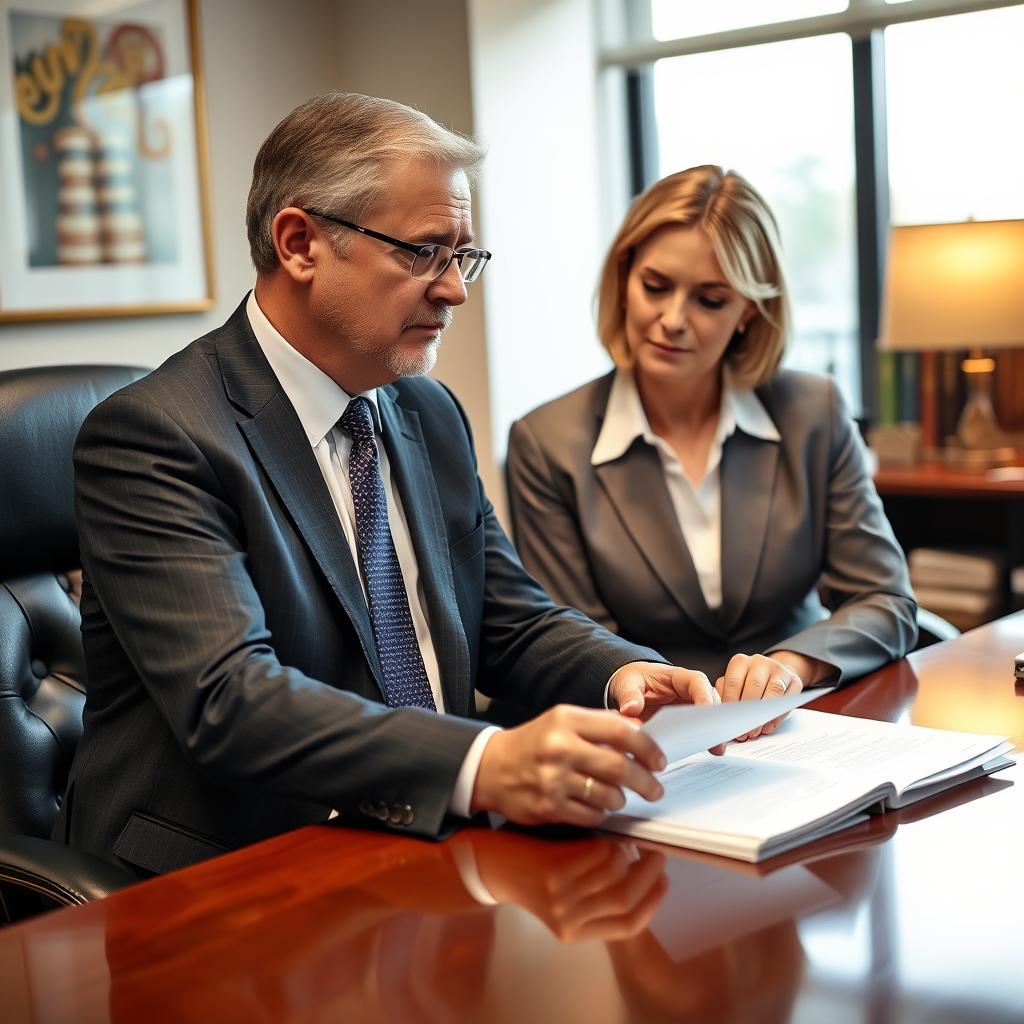
Marital Property Lawyer Isle of Wight County, VA
Dividing marital property during a divorce demands careful attention to how assets are classified, valued, and ultimately distributed. In Isle of Wight County, Virginia, these issues are resolved under Va. Code § 20-107.3, which governs equitable distribution. The Isle of Wight County Circuit Court, located at 17122 Monument Circle, Suite A, Isle of Wight, VA 23397, has exclusive jurisdiction over divorce and property division. Because Virginia is an equitable distribution state rather than a community property state, the court does not automatically divide assets equally. Instead, the judge considers eleven statutory factors to reach a fair division after classifying property as marital, separate, or hybrid. Whether you are negotiating a separation agreement in Smithfield or preparing for contested litigation in Windsor, having clear guidance on these legal distinctions can shape the outcome. Law Offices Of SRIS, P.C. provides experienced family law representation to clients throughout Isle of Wight County, including Carrollton and surrounding communities. Mr. Sris, the firm’s Owner and Founder, concentrates his practice on family law matters and regularly appears in Virginia courts. To schedule a consultation with a marital property lawyer who serves Isle of Wight County, call (888) 437-7747. Law Offices Of SRIS, P.C. – Advocacy Without Borders.
What Is Marital Property Under Virginia Law?
Virginia law draws a fundamental line between marital property and separate property. Marital property generally includes all assets and debts acquired by either spouse during the marriage, regardless of whose name is on the title. This can cover real estate, retirement accounts, business interests, vehicles, and personal property accumulated after the marriage date. Separate property, on the other hand, is property that a spouse owned before the marriage or received during the marriage as a gift or inheritance from a third party. The classification is not always straightforward. When separate property has been commingled with marital funds—for example, using marital income to pay down a mortgage on a separately owned house—a hybrid asset may result, requiring careful tracing. The Isle of Wight County Circuit Court applies the factors set out in Va. Code § 20-107.3 to determine what is equitable, considering the duration of the marriage, each spouse’s contributions to the acquisition and care of the property, the ages and health of the parties, and other enumerated considerations. A marital property lawyer can help ensure that the classification and valuation are handled accurately from the start.
Because Virginia does not mandate a fifty-fifty split, the equitable distribution process can involve negotiation, mediation, or litigation. Spouses who agree on the division of their property may enter into a written separation agreement that resolves all property, support, and custody issues. That agreement, if incorporated into the final divorce decree, can avoid a contested trial. When an agreement is not possible, the court will conduct a hearing, take evidence, and issue an order dividing the marital estate. Law Offices Of SRIS, P.C. works with clients in Isle of Wight County at every stage of this process, from initial asset disclosure to final decree.
How Marital Property Matters Are Resolved in Isle of Wight County, Virginia
Resolving marital property issues in Isle of Wight County typically begins with a full accounting of all assets and debts. The Circuit Court requires a comprehensive disclosure of financial information from both sides. For complex estates that involve business valuations, professional practices, or retirement plans, the court may consider testimony from forensic accountants and business valuation attorneys. The court’s goal is to ensure a fair distribution based on the statutory factors, not a mechanical formula.
When a case is uncontested—meaning both spouses have signed a separation agreement and meet Virginia’s no-fault divorce requirements—the matter can proceed with a relatively short hearing, often requiring a corroborating witness. Contested cases, where the parties cannot agree on classification or valuation, may involve multiple hearings and a longer timeline. The court retains authority to enter temporary orders regarding possession of the marital home, use of personal property, and interim spousal support while the divorce is pending. Mr. Sris and the firm’s Of Counsel attorneys assist clients in building a clear record of what is marital property and what should remain separate, whether through negotiation or courtroom advocacy.
How Mr. Sris and the Firm’s Of Counsel Attorneys Handle Marital Property Cases
Mr. Sris brings decades of experience to marital property matters, including a focused understanding of Virginia’s equitable distribution statute. He testified before the Virginia House Courts of Justice Committee in support of 2019 HB 635 (chief patron Del. David Bulova). That legislation addressed procedural aspects of dividing retirement plans and other assets under Va. Code § 20-107.3(g), and his familiarity with the statutory framework allows him to evaluate the strengths and weaknesses of a property division dispute from the earliest stages. The firm’s Of Counsel attorneys, who are admitted in Virginia and other jurisdictions, contribute additional experience in business valuation, tax implications, and complex financial instruments that frequently arise in high-asset divorces.
When you consult with Law Offices Of SRIS, P.C. about a marital property matter in Isle of Wight County, the process begins with a thorough review of the marital estate. The legal team identifies what must be disclosed, what can be negotiated, and what may need to be litigated. The firm works with outside forensic accountants and valuation professionals when necessary to trace separate property claims or to establish the value of a closely held business. The emphasis throughout is on reaching a resolution that aligns with the client’s goals while minimizing unnecessary expense. For a consultation, call (888) 437-7747.
About Mr. Sris and the Firm’s Of Counsel Attorneys
Mr. Sris is the Owner and Founder of Law Offices Of SRIS, P.C. A former prosecutor, he has concentrated his practice on family law, criminal defense, and related matters since founding the firm in 1997. His admissions in Virginia, Maryland, the District of Columbia, New Jersey, and New York allow the firm to assist clients whose property division may involve assets in multiple states. Mr. Sris testified before the Virginia House Courts of Justice Committee in support of 2019 HB 635 (chief patron Del. David Bulova), an experience that deepened his understanding of the state’s equitable distribution framework.
The firm’s Of Counsel attorneys bring additional legal experience in family law, business valuation, and litigation. They appear in Virginia courts alongside Mr. Sris and provide the depth needed to handle complex marital property cases. Collectively, the legal team serves clients in English, Spanish, and Tamil, and the firm maintains a Richmond Location that serves Isle of Wight County and surrounding communities. To discuss your marital property matter, contact Law Offices Of SRIS, P.C. at (888) 437-7747.
Frequently Asked Questions
What is the difference between marital property and separate property in Virginia?
Marital property is generally all property acquired by either spouse during the marriage, and separate property is property owned before the marriage or received during the marriage as a gift or inheritance. The distinction is important because marital property is subject to equitable division by the court, while separate property is typically retained by the owning spouse. However, when separate property has been commingled with marital funds or has increased in value due to the efforts of both spouses, the court may reclassify a portion of it as marital. A marital property lawyer can trace the classification to ensure your rights are protected.
How does the court divide a house purchased before the marriage but with marital funds?
The court classifies the house as hybrid property and may divide the marital portion equitably while the separate portion remains with the original owner. Under Va. Code § 20-107.3, the court examines how much of the mortgage was paid with marital income, whether the other spouse contributed to improvements, and whether joint funds were used for maintenance. The non-owning spouse may be entitled to a reimbursement or a share of the appreciation attributable to marital contributions. These cases often require a detailed forensic accounting to trace the sources of funds.
Do I need a lawyer for property division in an uncontested divorce in Isle of Wight County?
While you are not legally required to have a lawyer, having experienced legal counsel can help ensure that your separation agreement accurately reflects your understanding and protects your interest in marital property. Uncontested divorces in Virginia proceed more smoothly when the agreement is thorough and addresses all assets, debts, and future contingencies. A lawyer can draft or review the agreement to confirm that it meets the requirements of the Circuit Court and will be enforceable. Consulting an attorney before signing can prevent costly disputes later.
Can my spouse and I agree on how to divide our property without going to court?
Yes, spouses in Virginia may enter into a marital settlement agreement that resolves all property, support, and custody issues, and that agreement can be incorporated into the final divorce decree. When the agreement is signed, notarized, and accepted by the court, it becomes a binding contract. This approach can reduce conflict, save time, and allow the parties to maintain control over the outcome. Even when both sides are cooperative, having each spouse independently represented by counsel can help ensure the agreement is fair and legally sound.
How are retirement accounts divided in a Virginia divorce?
Retirement accounts and pensions are generally considered marital property to the extent they were earned during the marriage, and they are divided equitably under Va. Code § 20-107.3. The division often requires a Qualified Domestic Relations Order (QDRO) to instruct the plan administrator on how to split the account without triggering penalties. The marital share is typically calculated by determining the portion of the benefit that accrued from the date of marriage to the date of separation. Because QDROs involve specific plan rules and tax considerations, working with an attorney experienced in retirement division can protect the value of these assets.
What should I bring to a consultation with a marital property lawyer?
You should bring a list of all assets and debts you are aware of, recent account statements, tax returns for the past two to three years, and any existing prenuptial or separation agreements. Information about real estate holdings, retirement accounts, business interests, and valuable personal property will allow the lawyer to assess the scope of the marital estate. The consultation is an opportunity to discuss your goals, understand the classification and valuation process, and determine the next steps. To schedule a meeting, call Law Offices Of SRIS, P.C. at (888) 437-7747.
Family Law Services in Nearby Virginia Counties:
Fairfax County Family Law Lawyer |
Prince William County Family Law Lawyer |
Manassas City Family Law Lawyer
Primary Legal Resources:
Virginia Equitable Distribution Statute (Va. Code § 20-107.3) |
Isle of Wight County Circuit Court |
Virginia Judicial System
Attorney advertising. Prior results do not guarantee a similar outcome. Results may vary.
Case results depend on a variety of factors unique to each case.