
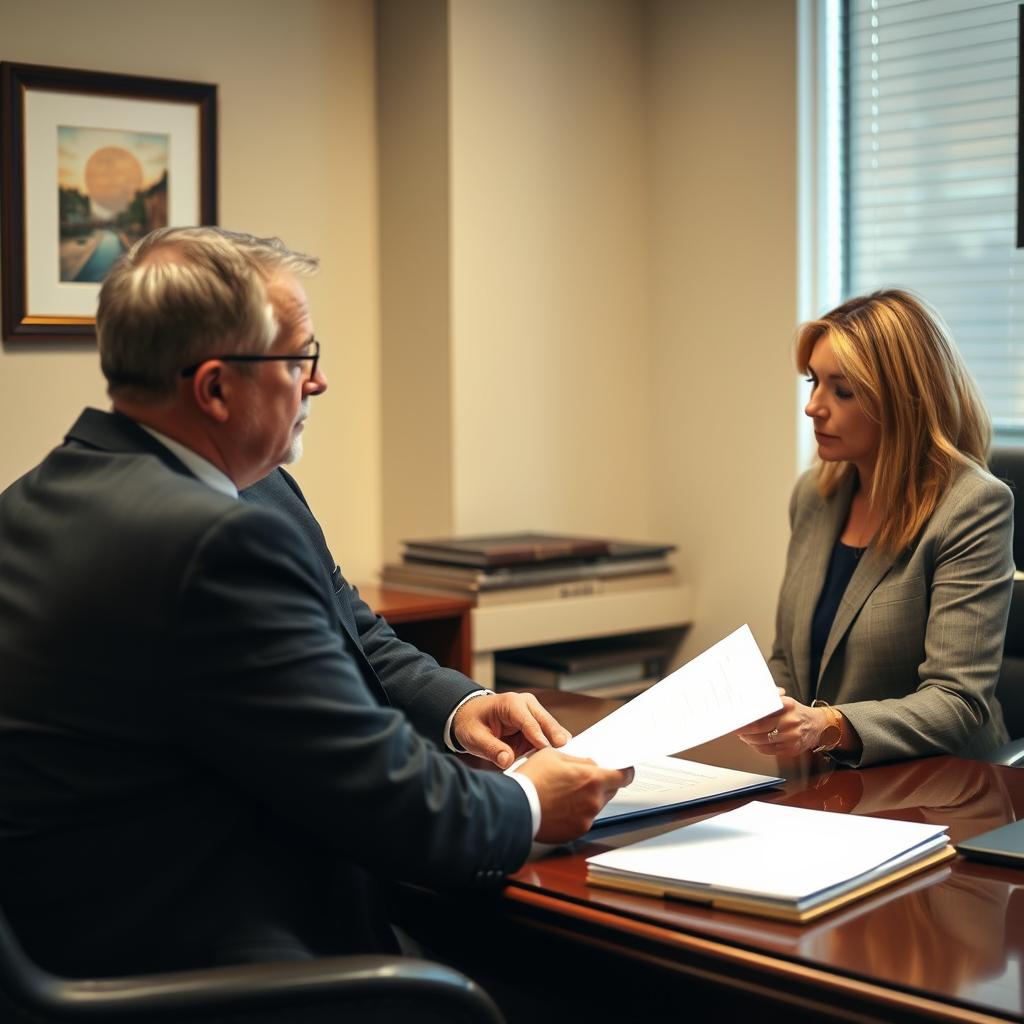
Norfolk Military Divorce Lawyer Virginia Beach, VA
Military service members and their spouses face distinct challenges when a marriage ends. The Hampton Roads region, home to Naval Station Norfolk, Joint Expeditionary Base Little Creek–Fort Story, and other major commands, brings those challenges into sharp focus. Jurisdictional questions under the Servicemembers Civil Relief Act (SCRA), the division of military retired pay, and the interplay between Virginia equitable-distribution law and federal pension rules are common in Norfolk and Virginia Beach divorces. Law Offices Of SRIS, P.C. represents military families throughout the area. Mr. Sris, the firm’s Owner and Founder, and his Of Counsel team assist clients with the procedural and financial dimensions of military divorce. To discuss your situation, reach the firm at (888) 437-7747. Law Offices Of SRIS, P.C. – Advocacy Without Borders.
What Military Divorce Means in the Norfolk-Virginia Beach Area
The Hampton Roads military community is one of the largest concentrations of active-duty personnel in the country. A divorce here often involves a service member stationed at a local command, a military spouse who relocated to Virginia under PCS orders, or a couple that established domicile in the Commonwealth during their service. Virginia’s Circuit Courts handle divorce, equitable distribution, and spousal support matters. For Norfolk and Virginia Beach residents, the Virginia Beach Circuit Court at 2425 Nimmo Parkway is a frequent venue. Standalone custody and support matters are heard in the Virginia Beach Juvenile and Domestic Relations District Court.
Virginia is an equitable-distribution state. Under Va. Code § 20-107.3, marital property is divided fairly—not necessarily equally—after the court weighs statutory factors. For military families, this analysis regularly includes the military pension, Thrift Savings Plan accounts, continuation-pay bonuses, and survivor benefit plan elections. The 2019 revision to Va. Code § 20-107.3(g), which clarified procedures for dividing retirement assets, is directly relevant. Mr. Sris testified before the Virginia House Courts of Justice Committee in support of 2019 HB 635 (chief patron Del. David Bulova), the legislation that became that revision. His familiarity with the statutory framework shapes the firm’s approach to military-divorce property issues.
How Mr. Sris and His Of Counsel Handle Military Divorce Cases
Military divorce requires attention to both state family law and federal statutes and regulations. Mr. Sris and his Of Counsel begin by identifying the correct jurisdiction. Under the SCRA, a service member may be entitled to a stay of proceedings if military duty materially affects their ability to participate. The firm evaluates whether the stay is appropriate and, if so, works to preserve the non-military spouse’s access to pendente lite relief under Va. Code § 20-103, which can provide temporary support and custody orders while the stay is in effect. The attorneys also address the Virginia domicile requirement: at least one party must be a resident and domiciliary of Virginia for six months before filing (Va. Code § 20-97).
Property division often involves the military retired-pay system. The Uniformed Services Former Spouses’ Protection Act (USFSPA) permits state courts to treat disposable retired pay as divisible marital property. Mr. Sris and his Of Counsel work with the necessary documentation to calculate the marital share and prepare any proposed domestic relations order. They also address ancillary benefits such as commissary and exchange privileges, continued health care under TRICARE, and Survivor Benefit Plan elections—all of which can affect the financial security of both parties well after the decree is entered. The firm’s approach is to build a record that supports a fair division while respecting the distinct legal frameworks that govern military benefits.
About Mr. Sris and His Of Counsel Team
Mr. Sris, Owner and Founder of Law Offices Of SRIS, P.C., is a former prosecutor with extensive experience in family law and complex property division. He is admitted in Virginia, Maryland, the District of Columbia, New Jersey, and New York. For more than two decades, he has handled cases involving service members and their families across the Commonwealth. His Of Counsel team—experienced attorneys engaged through Excella—brings additional background in military-related matters, including former law enforcement and trial advocacy. Together, Mr. Sris and his Of Counsel bring over 120 years of combined legal experience. Results may vary.
Mr. Sris and his Of Counsel have documented 4,739+ case results across all practice areas since 1997.
Source: Internal case-results database maintained by Law Offices Of SRIS, P.C. Case results
Reviewed by Mr. Sris, admitted in Virginia, Maryland, District of Columbia, New Jersey, and New York.
Frequently Asked Questions
How is a military divorce different from a civilian divorce in Virginia?
A military divorce involves additional federal statutes and regulations that affect jurisdiction, property division, and support. The Servicemembers Civil Relief Act can delay proceedings if the service member’s duties prevent participation. The division of military retired pay is controlled by the USFSPA, and only the marital share of disposable retired pay is divisible by a state court. Issues such as the 20/20/20 rule for TRICARE eligibility and the Survivor Benefit Plan also arise in military divorces but not in civilian ones. A firm experienced in both Virginia family law and the federal overlay can help navigate these intersecting requirements.
Does the SCRA automatically stop a divorce case in Virginia Beach?
The SCRA does not automatically stop a divorce case; it allows a service member to request a stay if military service materially affects their ability to participate. The request must be supported by a statement from a commanding officer. If a stay is granted, temporary orders for support, custody, and preservation of assets can still be entered under Virginia law. Mr. Sris and his Of Counsel advise clients on whether to seek a stay or consent to proceeding, weighing the tactical and practical considerations of each path.
Can I get a portion of my spouse’s military retirement in a Virginia divorce?
Yes, under the USFSPA, Virginia courts can divide the marital share of a service member’s disposable retired pay as part of equitable distribution. The marital share is typically calculated by comparing the length of the marriage overlapping military service to the total length of service. A domestic relations order, often called a military dividing order, is used to implement the division. Because the 2019 revision to Va. Code § 20-107.3(g) clarified the procedural path for such orders, working with counsel familiar with that revision can reduce administrative delays with the Defense Finance and Accounting Service.
What are the residency requirements to file for divorce in Virginia as a military member?
At least one party must be a resident and domiciliary of Virginia for at least six months before filing. A service member stationed in Virginia under PCS orders may establish domicile here, even if their home of record is elsewhere. The non-military spouse can also satisfy the requirement if they moved to Virginia during the marriage. The court examines evidence such as voter registration, driver’s license, tax filings, and intent to remain. Mr. Sris and his Of Counsel evaluate these factors early to confirm the Virginia court has jurisdiction.
How do I start a military divorce case in Virginia Beach or Norfolk?
The process begins by filing a Complaint for Divorce in the Circuit Court of the city or county where either party resides. For Virginia Beach residents, that court is the Virginia Beach Circuit Court at 2425 Nimmo Parkway. The complaint must state the grounds for divorce—typically separation for one year, or six months if no minor children and a signed separation agreement. After filing, the non-filing spouse must be served. If the service member is deployed or stationed overseas, the SCRA may affect service requirements. Contacting counsel early helps ensure proper filings and avoids jurisdictional missteps.
Does Law Offices Of SRIS, P.C. handle child custody matters related to military deployment?
Yes, the firm addresses custody and visitation issues that frequently arise when a military parent faces deployment or relocation. Virginia courts apply the trusted-interests-of-the-child standard under Va. Code § 20-124.3, evaluating the parent-child relationship, the child’s needs, and each parent’s willingness to support the other’s relationship with the child. For deploying parents, the firm can assist with temporary custody orders, family-care plans, and parenting-time arrangements that account for operational commitments. Mr. Sris and his Of Counsel work to keep the child’s stability at the center of the proceeding while protecting the service member’s parental rights.
Related pages: Virginia Beach Divorce Lawyer | Fairfax County Family Law | Manassas Family Law
Attorney advertising. Prior results do not guarantee a similar outcome. Engaging Law Offices Of SRIS, P.C. Requires a signed engagement agreement. Results may vary.
Case results depend on a variety of factors unique to each case.