
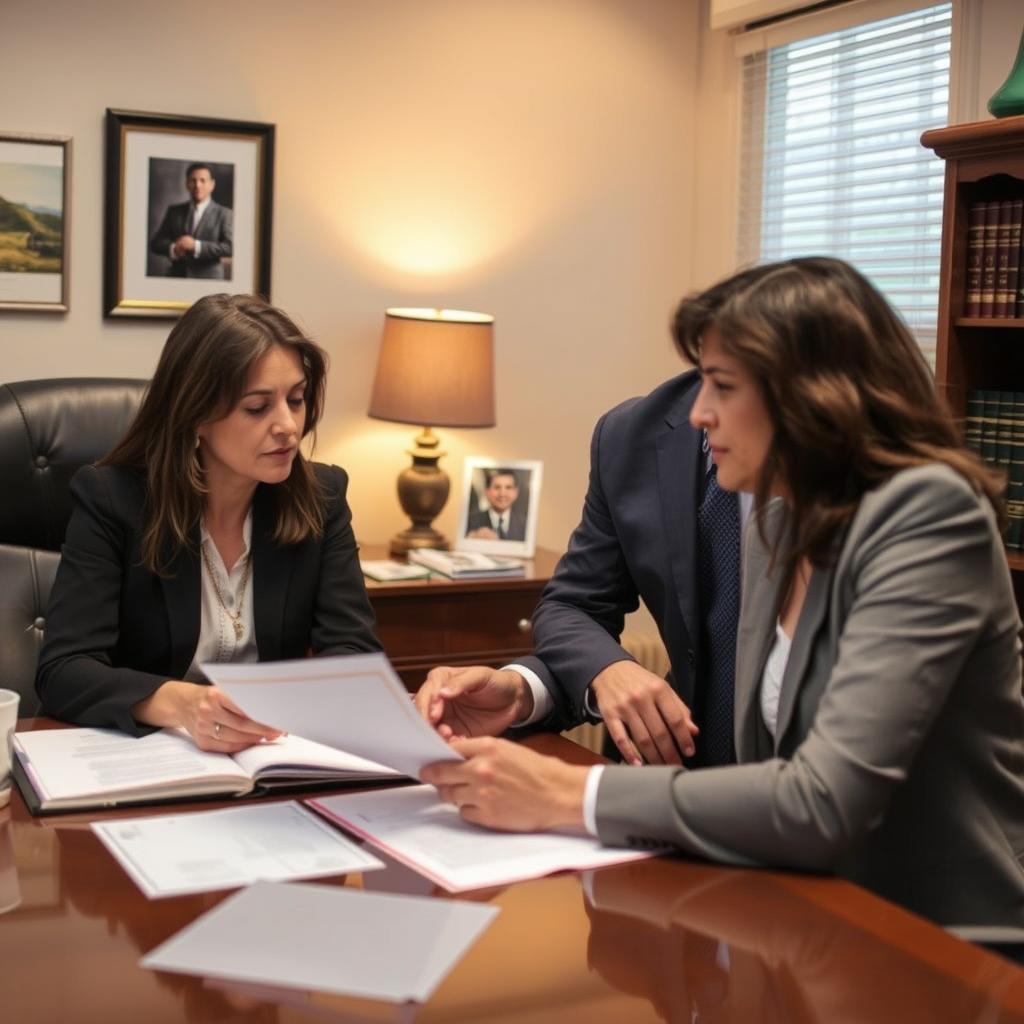
Paternity Test Lawyer Fluvanna County, VA
Paternity testing has significant legal consequences for parents and children across Fluvanna County. Whether you are a mother seeking to confirm a biological father for child support or custody purposes, or a man who questions or wishes to establish paternity, the outcome directly affects parental rights, financial obligations, and family relationships. Law Offices Of SRIS, P.C. Practices in family law matters rooted in Virginia Code Title 20, including paternity proceedings under Va. Code § 20‑49.1 et seq. Mr. Sris and his Of Counsel team represent clients at the Fluvanna County Juvenile and Domestic Relations District Court and the Fluvanna County Circuit Court, guiding families through genetic testing, adjudication of parentage, and the related custody, visitation, and support determinations that follow. For a consultation about your paternity matter, call (888) 437‑7747. Law Offices Of SRIS, P.C. – Advocacy Without Borders.
What Paternity Test Matters Mean in Fluvanna County
Paternity cases in Fluvanna County are heard in two courts depending on the context. The Fluvanna County Juvenile and Domestic Relations District Court handles standalone petitions to establish parentage, as well as child support and custody issues that arise from a paternity determination. When a divorce action is also pending, paternity may be litigated as part of the case in the Fluvanna County Circuit Court, which has exclusive jurisdiction over divorce and equitable distribution. Both courts sit at 72 Main Street, Suite B, Palmyra, Virginia, and serve families from Palmyra, Fork Union, Lake Monticello, and the surrounding areas of the Sixteenth Judicial District.
Virginia law treats paternity as a threshold issue that unlocks a range of legal consequences. Once parentage is established, the father gains the right to seek custody or visitation, and the child gains the right to financial support, inheritance, and access to medical history. Conversely, a man found to be the biological father may become obligated to pay child support under the Virginia guidelines, which are calculated based on combined gross income. Mr. Sris and his Of Counsel work with clients to ensure that genetic testing is conducted reliably, that procedural requirements are met, and that the legal rights of all parties are protected throughout the court process.
How Mr. Sris and His Of Counsel Handle Paternity Test Cases
When a client contacts Law Offices Of SRIS, P.C. about a paternity matter, the first step is a consultation to understand the client’s objectives—whether establishing paternity, challenging an allegation, or resolving related custody and support issues. Mr. Sris and his Of Counsel review the facts, explain the relevant statutes including Va. Code § 20‑49.1 et seq., and discuss the role of genetic testing. In Virginia, a court may order DNA testing upon motion of either party, and the results are admissible if the testing complies with the statutory chain‑of‑custody requirements.
The firm handles every stage of the proceeding: preparing and filing petitions or responsive pleadings in the appropriate Fluvanna County court, negotiating with the other party or their counsel when possible, and representing the client at hearings. If the matter is uncontested and parties agree to a paternity determination, the process can move efficiently. When disputes arise—for example, if an alleged father refuses to submit to testing—Mr. Sris and his Of Counsel advocate for the client’s interests through motions practice and courtroom presentation. Throughout the case, they remain focused on achieving a resolution that serves the child’s best interests while protecting the client’s legal position.
About Mr. Sris and His Of Counsel Team
Mr. Sris, Owner and Founder of Law Offices Of SRIS, P.C., has practiced since 1997 and is admitted in Virginia, Maryland, the District of Columbia, New Jersey, and New York. A former prosecutor, Mr. Sris brings a breadth of courtroom experience to family law matters, including paternity litigation. He testified before the Virginia House Courts of Justice Committee in support of 2019 HB 635 (chief patron Del. David Bulova). Mr. Sris and his Of Counsel team collectively handle paternity cases with a practical understanding of how Virginia’s equitable distribution, child support, and custody frameworks intersect with parentage determinations. The firm’s Shenandoah location serves families in Fluvanna County and the surrounding region, and consultations are available by appointment at (888) 437‑7747.
Frequently Asked Questions
What is the legal process for establishing paternity in Fluvanna County?
Establishing paternity in Fluvanna County typically begins with filing a petition in the Juvenile and Domestic Relations District Court or, if part of a divorce, in Circuit Court, after which the court may order genetic testing. Once a petition is filed, the court can direct the mother, alleged father, and child to submit to DNA testing conducted by an accredited laboratory. If the test results show a probability of parentage of at least 98 percent, Virginia law presumes paternity. The court then enters an order establishing paternity, which becomes the foundation for custody, visitation, and child support determinations. Mr. Sris and his Of Counsel guide clients through each step, ensuring that all procedural requirements are satisfied and that the legal consequences are fully understood before the order is entered.
Do I need a lawyer for a paternity test matter in Virginia?
You are not legally required to hire a lawyer for a paternity test matter, but legal representation helps protect your rights and navigate the court process effectively. Paternity determinations can have lasting effects on parental rights, child support obligations, and custody arrangements. An experienced attorney can evaluate whether a paternity action should be filed, ensure that genetic testing is properly requested and admitted into evidence, and present your position at any hearings. Mr. Sris and his Of Counsel represent parents in Fluvanna County paternity cases and help them understand the legal implications before making decisions that affect their family. To discuss your particular situation, contact Law Offices Of SRIS, P.C. at (888) 437‑7747.
What happens if the alleged father refuses to take a paternity test?
If an alleged father refuses to comply with a court‑ordered paternity test, the Virginia court may draw an adverse inference against him and may enter a default judgment establishing paternity. Under Va. Code § 20‑49.1 et seq., the court has authority to compel genetic testing. A refusal can be treated as evidence that the alleged father is trying to avoid a finding of parentage, and the court may still determine paternity based on other evidence presented. Mr. Sris and his Of Counsel handle such contested situations by filing appropriate motions and presenting the facts that support the client’s position, whether the client is the mother seeking to establish paternity or a man who wishes to challenge or confirm parentage.
How does a paternity determination affect child custody and support in Fluvanna County?
Once paternity is legally established, the father gains the right to seek custody or visitation, and both parents become subject to Virginia’s child support guidelines, which are based on their combined gross income. The Fluvanna County Juvenile and Domestic Relations District Court will apply the trusted‑interests factors under Va. Code § 20‑124.3 when deciding custody and visitation. Child support is calculated under the statutory guidelines, and the court may also address health insurance coverage and unreimbursed medical expenses. Mr. Sris and his Of Counsel help parents understand how a paternity finding changes the legal landscape and assist with pursuing or modifying custody and support orders in light of the new parentage determination.
Can a paternity test result be challenged in court?
Yes, a paternity test result can be challenged on grounds such as a failure to follow chain‑of‑custody procedures, laboratory error, or fraud, but challenges must be raised promptly in court. Virginia law establishes strict standards for the admissibility of genetic test results, and a party who wishes to dispute the findings must present evidence of a procedural defect or factual inaccuracy. Mr. Sris and his Of Counsel are experienced in reviewing laboratory documentation, questioning the testing process, and, when appropriate, moving for a second test. If you have concerns about the reliability of a paternity test, reach Law Offices Of SRIS, P.C. at (888) 437‑7747 to discuss your options.
What is the effect of a paternity order on inheritance rights?
A legally established parent‑child relationship created by a paternity order generally entitles the child to inherit from the father under Virginia’s intestacy laws, and the father may also inherit from the child. The effect on inheritance depends on the specific language of the paternity order and whether the child is treated as an heir under the Virginia Code. Mr. Sris and his Of Counsel can explain how a paternity determination intersects with estate planning and inheritance rights, and they work with clients to ensure that the order accurately reflects the intended legal relationship. For guidance on your specific family situation, contact Law Offices Of SRIS, P.C. at (888) 437‑7747.
Virginia Primary Sources
For additional reference, consult these official Virginia resources:
Attorney advertising. Prior results do not guarantee a similar outcome. Case results depend on a variety of factors unique to each case. Results may vary.