
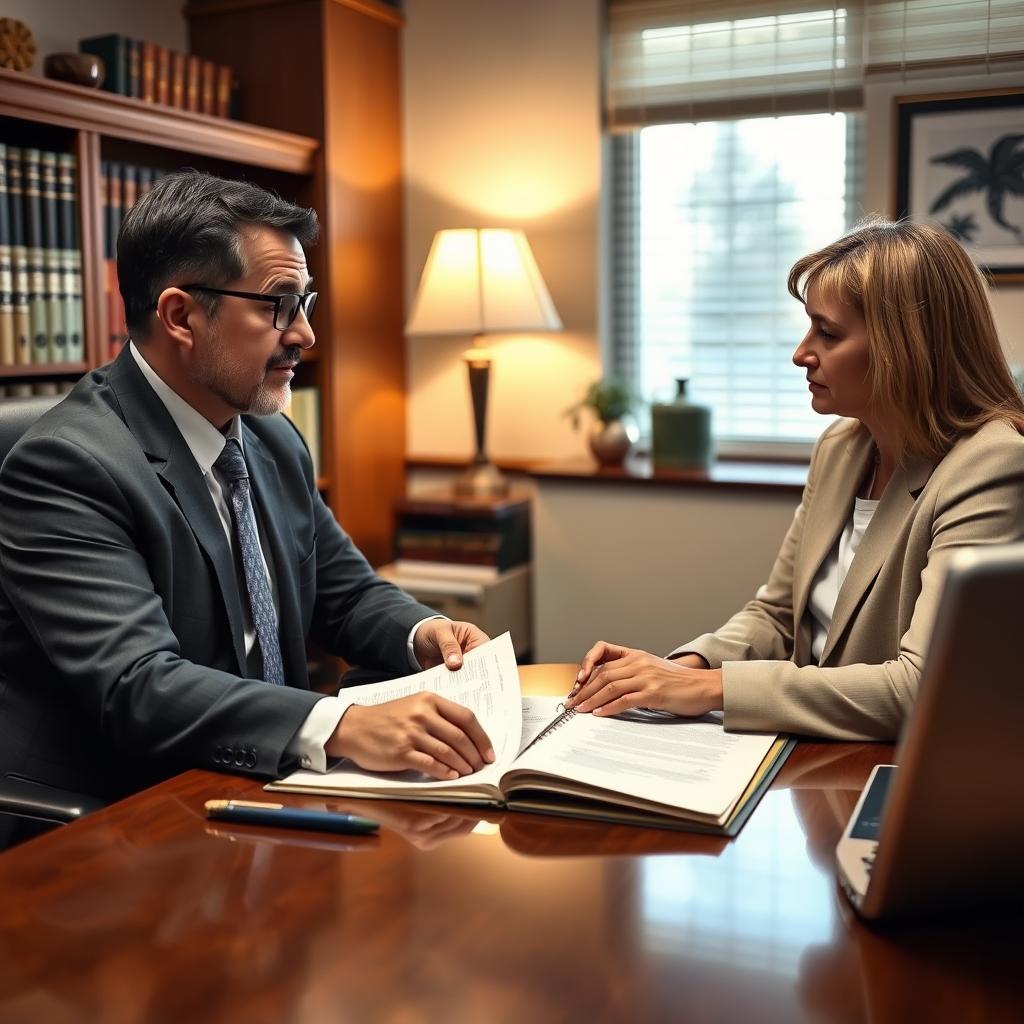
Permanent Alimony Lawyer Powhatan County, VA
A divorce can end a marriage, but financial obligations sometimes last far longer—even a lifetime. If you are facing the possibility of paying or receiving spousal support indefinitely after a divorce in Powhatan County, Virginia, the stakes are high. Whether you have been married for decades, have sacrificed career opportunities to support the family, or face a disability that limits your ability to become self‑supporting, permanent alimony—also called indefinite spousal support—can be a central issue in your case. Mr. Sris and the firm’s Of Counsel attorneys represent clients throughout Powhatan County, including the communities of Powhatan, Moseley, and Flat Rock, in matters involving permanent alimony, modification, and enforcement. Reach Law Offices Of SRIS, P.C. at (888) 437‑7747 to schedule a consultation.
Law Offices Of SRIS, P.C. – Advocacy Without Borders.
How Permanent Alimony Works in Powhatan County, Virginia
In Virginia, spousal support is governed by Va. Code § 20‑107.1. Permanent alimony is a form of support that continues indefinitely, rather than ending after a set period. It is generally reserved for situations where one spouse cannot become self‑sufficient despite reasonable efforts—often due to a long marriage, advanced age, a disability, or a significant disparity in earning capacity. The Powhatan County Circuit Court, located at 3834 Old Buckingham Road, Suite C, is the court that hears divorce cases and decides spousal support questions when the parties cannot agree.
A judge does not automatically award permanent alimony just because a marriage lasted many years. The court weighs the factors listed in the statute, including each spouse’s financial resources, the standard of living during the marriage, the duration of the marriage, contributions to the family, and each spouse’s age and health. One spousal‑support arrangement may be temporary while another is permanent, depending on the facts. Our Richmond location serves clients throughout Powhatan County and is familiar with how local judges apply these factors.
Frequently Asked Questions About Permanent Alimony in Powhatan County
What does “permanent alimony” mean in Virginia?
Permanent alimony is a form of spousal support that continues indefinitely, without a predetermined end date. Virginia courts most often consider permanent support when a spouse cannot become self‑sufficient because of advanced age, a longstanding disability, or a long marriage in which one party gave up career opportunities to care for the family. An award of permanent alimony remains in place until the court modifies it or the recipient dies or remarries.
How does a Powhatan County judge decide whether to award permanent alimony?
The judge applies the factors listed in Va. Code § 20‑107.1 and examines whether a spouse can realistically become self‑supporting. The court looks at the duration of the marriage, each party’s age and health, the standard of living during the marriage, both parties’ financial resources and earning capacities, and the contributions each spouse made to the family. If the evidence shows that one party cannot achieve financial independence despite reasonable efforts, the court may grant indefinite support. These hearings take place at the Powhatan County Circuit Court.
Is permanent alimony automatically awarded after a long marriage?
No. A long marriage is one relevant factor, but it does not by itself guarantee permanent alimony. The court examines the complete financial picture. Even in a decades‑long marriage, if the spouse seeking support is capable of re‑entering the workforce or has ample assets, a judge may limit support to a specific term—called rehabilitative alimony—or set a defined duration. Every case turns on its own facts.
Can a permanent alimony order be changed later?
Yes, an indefinite support obligation can be modified if there has been a material change in circumstances. For example, if the paying spouse experiences a substantial involuntary reduction in income, or the recipient’s health improves and allows re‑employment, a motion to modify can be filed. The Powhatan County Circuit Court retains jurisdiction over spousal support matters even after the final divorce decree is entered.
What happens if a former spouse stops paying court‑ordered alimony?
Willful failure to pay spousal support can lead to a contempt proceeding in the Powhatan County courts. The court has broad authority to enforce its orders. It may enter a judgment for the unpaid amount, garnish wages, suspend a professional license, or, in serious cases, impose jail time for contempt of court. Mr. Sris and the firm’s Of Counsel attorneys help both recipients seeking enforcement and payers who need to address a legitimate change in circumstances.
How does the court enforce an alimony order in Virginia?
Several enforcement tools are available, including wage withholding, income deduction orders, and a show‑cause summons to the paying spouse. If the obligor still refuses to pay, the court can hold the individual in civil contempt and order incarceration until the overdue amount is satisfied or a compliance plan is in place. Our attorneys handling Powhatan County matters walk clients through the enforcement process and pursue the remedies that fit your situation.
Do I need a lawyer for a permanent alimony case in Powhatan County?
You are not required to have a lawyer, but alimony disputes involve complex financial evidence and statutory factors that are difficult to navigate without experienced counsel. A lawyer can present your financial circumstances clearly, challenge the other side’s claims, and advocate for a fair award or defense. Because circuit court procedures and evidence rules apply, self‑representation carries substantial risk.
How do Powhatan County courts handle alimony during a pending divorce?
The court can award temporary spousal support—called pendente lite support—while the divorce is pending. These orders, issued in the Powhatan County Circuit Court, maintain the financial status quo until a final hearing. The support amount is based on each spouse’s immediate needs and ability to pay, without making a final determination about long‑term alimony.
Can permanent alimony end if the recipient remarries?
Yes. Under Virginia law, an award of spousal support automatically terminates upon the recipient’s remarriage, unless the parties agreed otherwise in a written separation agreement. Cohabitation—living with a new partner in a marriage‑like relationship—may also be grounds to terminate support if the original decree or agreement includes a cohabitation provision.
How do I schedule a consultation about permanent alimony?
You can reach Law Offices Of SRIS, P.C. at (888) 437‑7747 to discuss your permanent alimony matter. Our Richmond location represents clients in Powhatan County and throughout central Virginia. During the consultation, we review the facts of your case, explain how Virginia law is likely to apply, and outline the steps to protect your financial interests—whether you are seeking support or facing an alimony claim.
- Family Law Lawyer Henrico County, VA
- Family Law Lawyer Chesterfield County, VA
- Family Law Lawyer Richmond, VA
- Family Law Lawyer Goochland County, VA
Additional resources: Virginia Code Title 20 — Powhatan County Combined Court.
About Mr. Sris and the Firm’s Of Counsel Attorneys
Mr. Sris is the Owner and Founder of Law Offices Of SRIS, P.C., which has been practicing since 1997. The firm’s Of Counsel attorneys bring extensive combined legal experience in family law, including permanent alimony, equitable distribution, and custody disputes. A former prosecutor, Mr. Sris understands how to present complex financial evidence effectively before the Powhatan County Circuit Court. The firm is admitted in Virginia, Maryland, the District of Columbia, New Jersey, and New York. Results may vary.
Attorney advertising. Prior results do not guarantee a similar outcome.
Case results depend on a variety of factors unique to each case.