
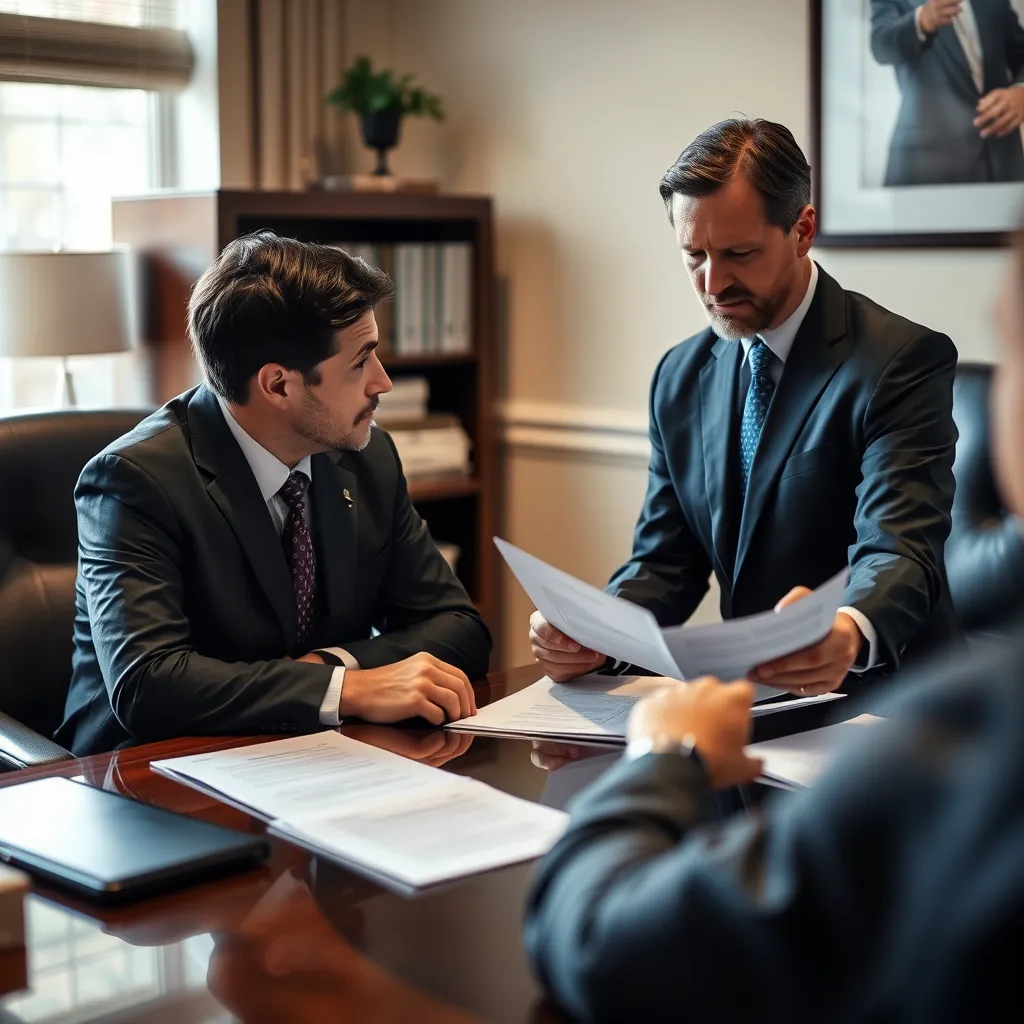
Physical Custody Lawyer in Falls Church, VA
Navigating the emotional and legal complexities of parental custody disputes is one of the most challenging experiences a family can face. When parents disagree on where a child should live or how much time the child should spend with each parent, the resulting conflict can be intense and deeply personal. If you are seeking a Physical Custody Lawyer in Falls Church, VA, you need an attorney who combines deep legal knowledge with genuine empathy for your family’s best interests. At Law Offices Of SRIS, P.C., we understand that securing a custody arrangement is not just about legal paperwork; it is about ensuring stability and emotional security for your child.
Our firm has extensive experience handling complex family law matters across multiple jurisdictions, including the specific nuances of Virginia law regarding physical custody. We are committed to advocating fiercely for the outcome that promotes the child’s well-being above all else. When you reach out to our Falls Church location, you can expect dedicated representation from attorneys who have successfully guided families through these difficult transitions for decades.
For immediate assistance or to discuss your specific situation, please call us at (888) 437-7747 to schedule a consultation at our local Falls Church location. We are here to help you understand your rights and build a clear path forward.
Understanding Physical Custody vs. Legal Custody in Virginia
Many people confuse the terms “physical custody” and “legal custody.” While they are related, they refer to two distinct aspects of parental rights. Understanding this difference is the crucial first step in building a strong legal strategy.
What is Legal Custody?
Legal custody refers to the right and responsibility to make major decisions concerning the child’s upbringing. These decisions include education, non-emergency medical care, religious instruction, and general welfare. When parents share legal custody, they must jointly agree on these issues. If agreement cannot be reached, the court will typically determine a schedule or mechanism for joint decision-making.
What is Physical Custody?
Physical custody refers to where the child lives day-to-day. This is often described as the “primary residence” or the physical placement of the child. The court does not dictate a permanent schedule; rather, it establishes a parenting plan that outlines when and where the child will reside with each parent. This arrangement is designed to provide stability while allowing both parents meaningful involvement in the child’s life.
The Process of Obtaining a Parenting Plan in Falls Church
The process of establishing a parenting plan is highly individualized and depends heavily on the unique dynamics of your family. While we cannot predict the outcome, we can guide you through the typical stages of litigation or mediation.
Initial Filing and Temporary Orders
The process usually begins with one parent filing a petition with the appropriate Virginia court. At this stage, the immediate goal is often to secure temporary orders—temporary parenting plans that maintain stability while the case moves forward. These initial hearings are critical for setting a baseline for care.
Discovery and Mediation
Once temporary orders are in place, the discovery phase begins. This involves exchanging financial records, educational documents, and detailed accounts of parenting time. Many modern family law cases are resolved through mediation, where a neutral third party helps parents negotiate an agreement that the court can then approve. Mediation is often faster and less adversarial than going to trial.
Trial and Final Judgment
If mediation fails, the case proceeds to trial. At trial, both parties present evidence—including testimony from family members, attorneys, and sometimes Guardian ad Litem reports—to convince the judge that their proposed parenting plan is in the child’s best interest. This is where our experience as a divorce lawyer in Falls Church becomes invaluable.
How Mr. Sris and the Firm’s Of Counsel Attorneys Handle Physical Custody Cases in Falls Church
Our approach to physical custody cases is rooted in a comprehensive understanding that the child’s best interest is the paramount consideration. We do not simply argue for time; we build a holistic case demonstrating stability, continuity, and emotional support within the proposed plan. Our strategy begins with an intensive evaluation of your current routine, school environment, and extracurricular activities to ensure any proposed change minimizes disruption.
When representing clients in Falls Church, our team focuses on presenting a narrative that emphasizes co-parenting cooperation, even when the parents themselves are highly conflicted. We work closely with mediators and opposing counsel to establish clear, measurable parameters for visitation and decision-making. Furthermore, we utilize our network of local resources—from educational counselors to child psychologists—to gather evidence that supports a stable, predictable, and healthy environment for your child, ensuring that the final judgment reflects the reality of what is best for them.
About Mr. Sris and the Firm’s Of Counsel Attorneys
Law Offices Of SRIS, P.C. has built its reputation on decades of dedicated service to families in Northern Virginia. Mr. Sris, Owner and Founder, brings a wealth of experience to every case. As a former prosecutor, he possesses a unique understanding of courtroom procedure, evidence presentation, and how judicial decisions are reached. His commitment to justice is matched by his dedication to helping parents navigate the emotional turmoil inherent in custody disputes.
Mr. Sris is admitted to practice law in Virginia, Maryland, the District of Columbia, New Jersey, and New York, allowing us to provide a robust, multi-jurisdictional perspective on complex family matters. Furthermore, our firm’s Of Counsel attorneys are highly specialized practitioners who bring diverse experience across various legal fields. We operate as a unified resource, ensuring that whether your case involves property division, child support, or physical custody, you receive the highest level of coordinated legal counsel.
Serving the Greater Falls Church Area
Whether you are located in Falls Church, Tysons Corner, or anywhere within the greater Northern Virginia area, our commitment to providing experienced attorney family law representation remains constant. We encourage you to speak with an attorney about your particular situation.
If your dispute involves other areas of law, we also have dedicated practice groups, including divorce law in Falls Church and child support services in Falls Church. For neighboring communities, our attorneys are familiar with local statutes, whether you need a Arlington physical custody lawyer or a Tysons Corner divorce lawyer.
Frequently Asked Questions About Physical Custody
How long does the physical custody process take?
The timeline varies significantly depending on whether the parents can agree on a plan and the complexity of the dispute. Simple cases may be resolved through mediation within months, while contested cases that go to trial can take over a year or more.
Does having income affect physical custody arrangements?
While financial considerations like child support are critical, they do not automatically determine physical custody. The court’s primary focus remains on the child’s best interest, which encompasses emotional stability and consistent caregiving.
What is “best interest of the child” in legal terms?
This is the overarching standard used by all family courts. It requires the judge to consider the child’s emotional needs, physical safety, educational stability, and overall developmental well-being when making custody determinations.
Can I change the parenting plan on my own?
No. Parenting plans are court orders. If circumstances change significantly—for example, if a child starts a new school or a parent moves—you must file a motion with the court to request a modification.
What if we cannot agree on visitation?
If parents are unable to reach an agreement, the court will step in. This usually involves mandatory mediation first, followed by judicial intervention if necessary. Our goal is always to guide you toward voluntary agreement.
Are grandparents involved in custody decisions?
Grandparents can certainly be considered as part of the child’s support system and stability network. However, their involvement must generally be presented to the court as evidence supporting the child’s best interest, not as a right to custody.
Do I need a lawyer if I just want a co-parenting agreement?
Even if you are amicable, having an attorney draft and review the agreement is frequently consulted. This ensures the language is legally sound, enforceable in Virginia, and covers all potential future conflicts.
The information provided on this page is for educational purposes only and does not constitute legal advice. Every family situation is unique, and the laws governing custody are subject to change and interpretation by the court. You should consult with a qualified attorney who can review your specific facts and advise you on the trusted course of action.
Case results depend on a variety of factors unique to each case.
Attorney advertising. Prior results do not guarantee a similar outcome.