
Postnup Lawyer Colonial Heights, VA
Couples in Colonial Heights, Virginia, sometimes reach a point where they want to clarify financial rights and responsibilities without ending the marriage. A postnuptial agreement—a written contract signed after the wedding—can set out how property, debts, and spousal support will be handled if the marriage later dissolves. Virginia law treats these agreements as enforceable marital contracts, subject to the same standards of fairness and full disclosure that courts apply to premarital agreements. Mr. Sris and the firm’s Of Counsel attorneys work with clients throughout the Colonial Heights area to draft, negotiate, and, when necessary, litigate postnuptial agreements. Whether you are considering an agreement to protect a family business, to address changed financial circumstances, or to reduce conflict over equitable distribution, experienced legal guidance can help. To discuss your situation, reach Law Offices Of SRIS, P.C. at (888) 437-7747. Law Offices Of SRIS, P.C. – Advocacy Without Borders.
What Postnuptial Agreements Mean in Colonial Heights, Virginia
Colonial Heights sits in the Twelfth Judicial District, and family law matters here proceed through two courts. The Colonial Heights Circuit Court hears all divorce and equitable distribution cases, while the Colonial Heights Juvenile and Domestic Relations District Court handles standalone custody, support, and protective‑order matters. Postnuptial agreements typically intersect with equitable distribution because they classify marital and separate property and may limit or define spousal support obligations. Virginia is an equitable distribution state, meaning that a court divides marital property fairly—but not necessarily equally—under the factors listed in Va. Code § 20‑107.3. A properly drafted postnuptial agreement can give a couple control over that division instead of leaving it to a judge’s discretion.
Virginia’s Premarital Agreement Act, codified at Va. Code § 20‑147 et seq., provides the statutory framework for premarital agreements. Although the Act does not explicitly name postnuptial agreements, Virginia courts have long recognized that spouses may enter into binding marital agreements after marriage, subject to the same standards of voluntariness and disclosure. The Colonial Heights Circuit Court will review any postnuptial agreement that is challenged during a divorce. That review examines whether the agreement was freely entered into, whether both parties made full and fair disclosure of their assets and obligations, and whether enforcement would be unconscionable. An agreement that meets those requirements can streamline a later divorce and reduce the cost and uncertainty of litigation.
How Mr. Sris and the Firm’s Of Counsel Attorneys Handle Postnuptial Agreement Cases
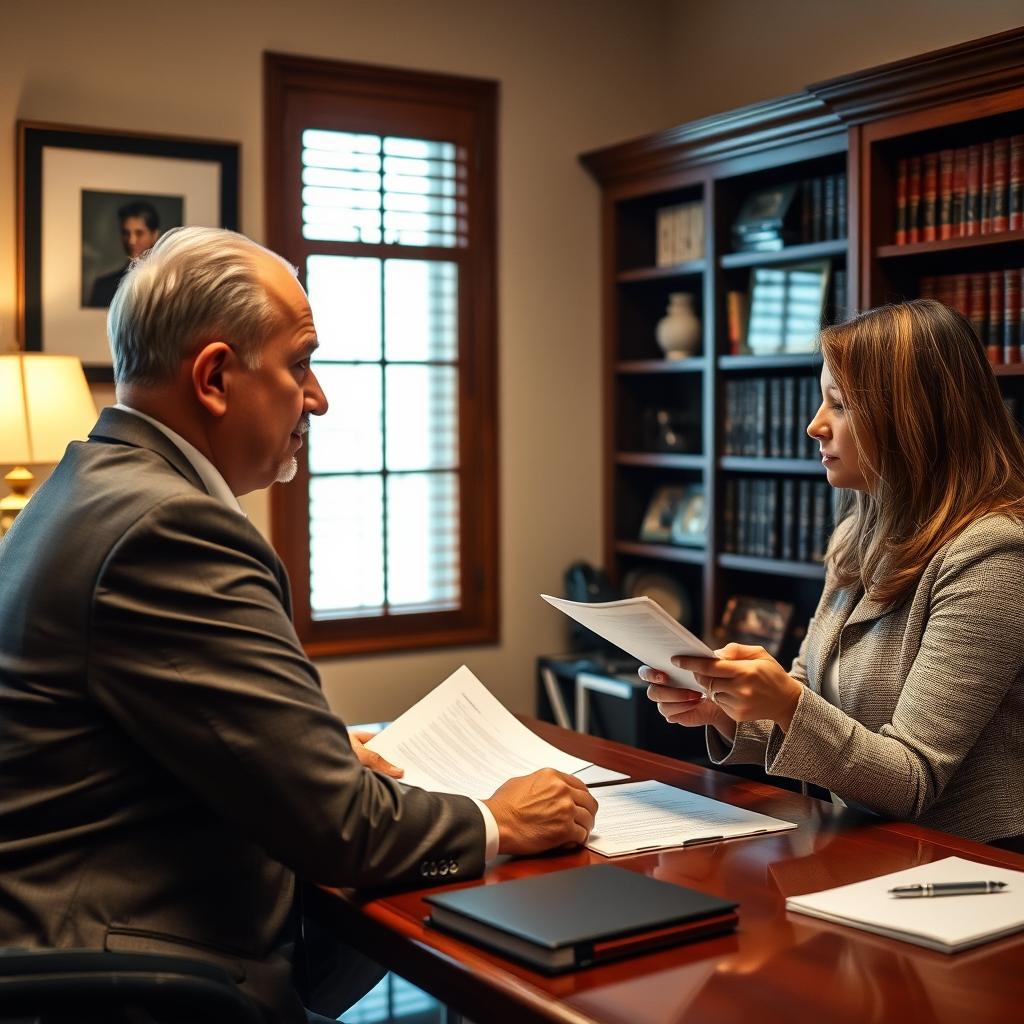
Every postnuptial agreement starts with a careful conversation about the couple’s goals. The firm’s approach is to understand what property or income each spouse wants to protect, what obligations each is willing to take on, and what a fair outcome looks like for both sides. Mr. Sris and the firm’s Of Counsel attorneys then draft an agreement that reflects those intentions in clear, enforceable language. They also explain what Virginia law requires for the agreement to hold up in court—independent legal representation for each party, full financial disclosure, and an absence of duress or coercion. When one spouse already has a separate attorney, the firm works cooperatively to negotiate terms that serve both parties’ interests.
If a dispute over a postnuptial agreement ends up in court—whether during a divorce or in a separate enforcement action—the firm’s litigation experience becomes valuable. Mr. Sris, a former prosecutor, has tried cases in Virginia courtrooms and understands how judges evaluate the fairness and validity of marital contracts. The firm’s Of Counsel attorneys bring additional experience from family law, business valuation, and contract litigation. Together, they can challenge an agreement that is one‑sided or defend one that was properly made. The firm’s multi‑state practice also helps when a couple has ties to more than one jurisdiction, such as a business in another state or property outside Virginia. For every matter, the focus remains on protecting the client’s financial future while minimizing conflict.
About Mr. Sris and the Firm’s Of Counsel Attorneys
Mr. Sris, Owner and Founder of Law Offices Of SRIS, P.C., has practiced family law since 1997. He appears in courts across Virginia and personally leads many of the firm’s most complex matters. His background as a former prosecutor gives him insight into how a court weighs evidence and credibility—skills that carry over into contested postnuptial agreement litigation. Mr. Sris testified before the Virginia House Courts of Justice Committee in support of 2019 HB 635 (chief patron Del. David Bulova), which addressed equitable distribution of retirement assets. He is admitted in Virginia, Maryland, the District of Columbia, New Jersey, and New York.
The firm’s Of Counsel attorneys contribute experience across family law, business valuation, and contract enforcement. Together with Mr. Sris, they bring extensive combined legal experience that allows the firm to handle postnuptial agreements involving complex assets—such as closely held businesses, professional practices, and multi‑state real estate. When you work with the firm, you are not relying on a single attorney; you have access to a team that can draft a thoughtful agreement and, if needed, defend it in the Colonial Heights Circuit Court. Reach our Richmond Location at (888) 437-7747—by appointment only—to learn more about how we can assist.
Frequently Asked Questions
What is a postnuptial agreement in Virginia?
A postnuptial agreement is a written contract between spouses that defines property rights, debt allocation, and spousal support in the event of divorce or death. Unlike a prenuptial agreement, which is signed before marriage, a postnuptial agreement is executed after the wedding. Virginia courts enforce these agreements if they are entered into voluntarily, with full financial disclosure, and without unconscionable terms. The agreement can address the classification of assets as marital or separate, limit or waive alimony, and provide for the disposition of a family business. Postnuptial agreements do not control child custody or child support, as those issues remain subject to the trusted‑interests standard and Virginia guidelines.
Do I need a lawyer for a postnuptial agreement in Colonial Heights?
Virginia law does not always require each spouse to have a separate lawyer, but obtaining independent legal advice significantly strengthens the agreement’s enforceability. A court reviewing a postnuptial agreement will look at whether both parties understood their rights and made informed decisions. An experienced attorney can explain Virginia’s equitable distribution factors, identify assets that may be overlooked, and draft language that clearly reflects the couple’s intentions. At Law Offices Of SRIS, P.C., we can represent one party in drafting or reviewing the agreement, and we encourage the other spouse to seek independent counsel. Even when both sides agree, legal guidance helps avoid later disputes.
Can a postnuptial agreement be enforced in Virginia courts?
Yes, a postnuptial agreement will be enforced in Virginia courts if it meets the requirements of voluntariness, full financial disclosure, and conscionability. The party seeking to enforce the agreement must show that both spouses entered into it freely and with a complete picture of each other’s finances. If a court finds that one spouse hid assets, applied pressure, or secured an unfair advantage, it may set aside part or all of the agreement. The Colonial Heights Circuit Court applies these standards when a postnuptial agreement is challenged during a divorce. For that reason, careful drafting and a thorough disclosure process are critical to making the agreement hold up.
How does a postnuptial agreement differ from a prenuptial agreement?
The primary difference is timing: a prenuptial agreement is signed before marriage, while a postnuptial agreement is signed afterward. Both types of agreement can address property division and spousal support, and both are governed by similar principles of fairness and disclosure under Virginia law. However, because a postnuptial agreement is made during the marriage, the spouses already have a shared financial history and may have accumulated marital property. That can make the negotiation more complex and the need for full disclosure even more important. A prenuptial agreement may be psychologically easier because it predates the marriage; a postnuptial agreement often arises because circumstances have changed—such as one spouse starting a business or receiving an inheritance.
What should I bring to a consultation about a postnuptial agreement?
Bring a list of all assets and debts held individually or jointly, copies of recent tax returns, and any existing estate‑planning documents or business records. Also be prepared to discuss your goals: which assets you want to protect, what level of spousal support you think is fair, and whether you have children from a prior relationship whose inheritance you want to secure. The more complete the financial picture, the better your attorney can draft an agreement that reflects your actual situation. At your consultation, Mr. Sris or a member of the firm’s Of Counsel team will also explain the legal requirements for a valid postnuptial agreement in Virginia and answer any questions about the process.
How do I find a postnuptial agreement lawyer in Colonial Heights?
Start by contacting a firm that concentrates in Virginia family law and has experience with marital agreements. Ask whether the attorney regularly appears in the Colonial Heights Circuit Court and understands the local procedural expectations. Law Offices Of SRIS, P.C. serves clients throughout the Colonial Heights area from our Richmond Location. We invite you to call (888) 437-7747 to schedule a consultation. Mr. Sris and the firm’s Of Counsel attorneys can discuss your specific goals and explain how a postnuptial agreement might work for your family. There is no substitute for a conversation about your particular circumstances.
Additional resources: Virginia Code Title 20 (Domestic Relations) | Colonial Heights Circuit Court | Virginia Judicial System
Attorney advertising. Prior results do not guarantee a similar outcome. Case results depend on a variety of factors unique to each case. Results may vary.