
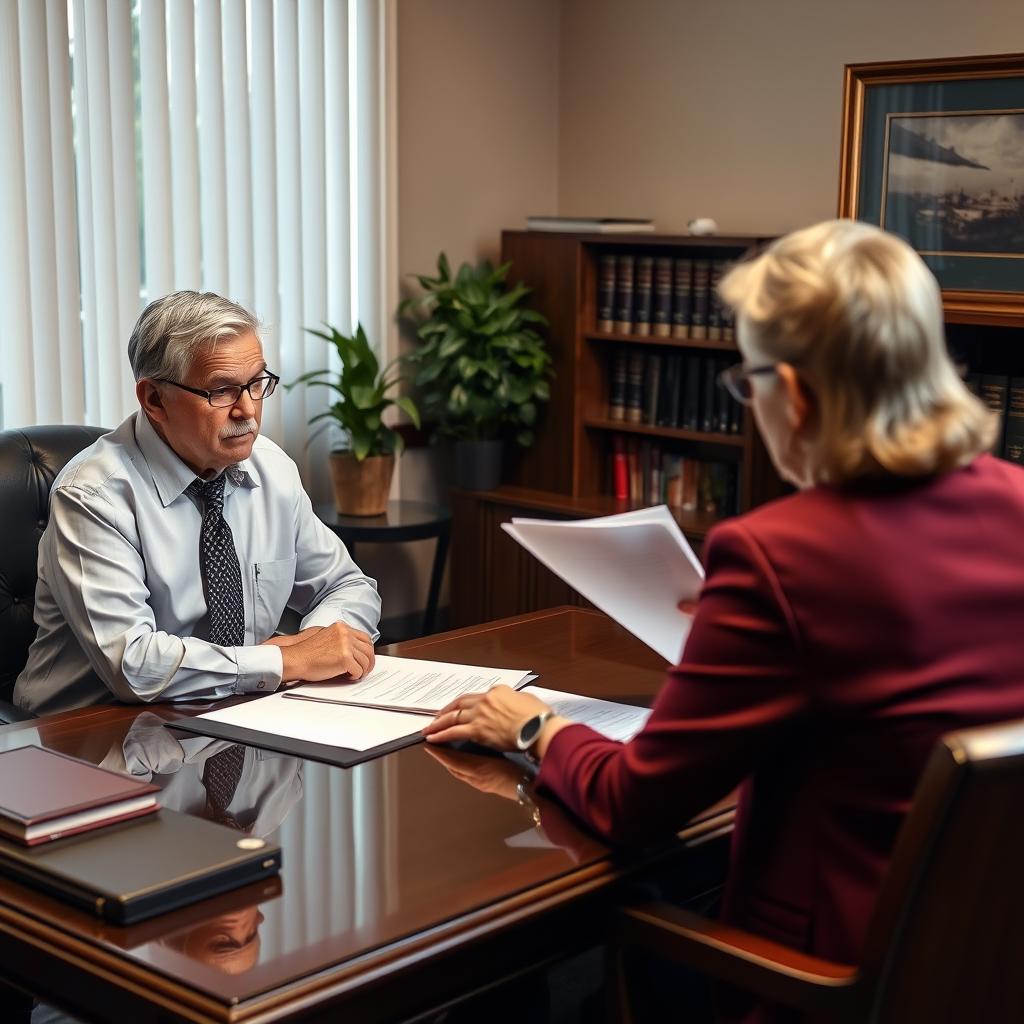
Rehabilitative Alimony Lawyer York County, VA
When a divorce or separation leaves one spouse at a financial disadvantage, rehabilitative alimony can provide temporary support while the recipient acquires the education, training, or employment experience needed to become self-sufficient. In York County, Virginia, courts award rehabilitative spousal support under Va. Code § 20-107.1 to bridge that gap for a defined period. Law Offices Of SRIS, P.C. represents clients in York County Circuit Court, negotiating and litigating rehabilitative alimony terms that reflect the statutory factors and the financial realities of both parties. From the firm’s Richmond location we serve individuals throughout Yorktown, Grafton, Tabb, Seaford, and the surrounding areas, appearing regularly at the Circuit Court on Ballard Street. Mr. Sris, Owner and Founder, and the firm’s Of Counsel attorneys bring extensive combined legal experience to these matters. Results may vary. To request a consultation, reach Law Offices Of SRIS, P.C. at (888) 437-7747. Law Offices Of SRIS, P.C. – Advocacy Without Borders.
What Rehabilitative Alimony Means in York County
Rehabilitative alimony is a form of spousal support designed to help a spouse who has been out of the workforce—or who needs to upgrade skills—transition to financial independence. Unlike permanent or indefinite alimony, rehabilitative support is time-limited. The goal is to provide a defined period of assistance while the recipient completes education, vocational training, or a job search. In Virginia, courts may award rehabilitative alimony as part of a divorce or separation proceeding under Va. Code § 20-107.1, weighing the circumstances of both parties.
York County Circuit Court at 300 Ballard Street handles all divorce and spousal support matters, including rehabilitative alimony requests. The court considers 13 statutory factors when determining whether to grant rehabilitative support—including each spouse’s age, health, earning capacity, the duration of the marriage, contributions to the family, and the paying spouse’s ability to meet their own obligations while providing support. Because rehabilitative alimony is closely tied to a plan for self-sufficiency, the court also looks at the realistic timeline and cost of the proposed training or education. A well-prepared presentation of the receiving spouse’s plan—and the paying spouse’s ability to fund it—is essential to a fair result.
How Mr. Sris and the Firm’s Of Counsel Attorneys Handle Rehabilitative Alimony Cases
Our approach begins with a thorough review of the financial picture. We gather documentation of both spouses’ income, expenses, assets, and debts, then evaluate whether rehabilitative support is appropriate and, if so, what a reasonable duration and amount would look like. In many cases we work with vocational attorneys to develop a concrete plan showing the steps the recipient will take, the associated costs, and the expected timeline for entering the workforce—framed in qualitative terms that help the court understand the need.
Because rehabilitative alimony disputes often turn on the credibility of the plan and the ability to pay, we negotiate from a position anchored in evidence. When settlement is not possible, Mr. Sris and the firm’s Of Counsel attorneys are prepared to try the issue in York County Circuit Court. We present the statutory factors through financial records, expert testimony when warranted, and argument that focuses on the equitable result the law intends. Throughout the process we work toward orders that protect our client’s interests without overstating what the facts support.
About Mr. Sris and the Firm’s Of Counsel Attorneys
Mr. Sris, Owner and Founder of Law Offices Of SRIS, P.C., is a former prosecutor with experience in family law since 1997. He is admitted to practice in Virginia, Maryland, the District of Columbia, New Jersey, and New York. The firm’s Of Counsel attorneys bring additional background in litigation, family law, and financial valuation, reinforcing the collaborative approach the firm takes on rehabilitative alimony and other family law matters. Together, Mr. Sris and the firm’s Of Counsel attorneys have documented case results across multiple practice areas. Results may vary. To discuss a specific situation, contact Law Offices Of SRIS, P.C. at (888) 437-7747.
Frequently Asked Questions
What is rehabilitative alimony in Virginia?
Rehabilitative alimony is temporary spousal support designed to enable a spouse to become self-supporting through education, training, or employment experience. It is awarded under Va. Code § 20-107.1, typically as part of a divorce or separation. The support lasts for a defined period while the recipient completes a plan to gain financial independence. The court considers factors such as the recipient’s need, the paying spouse’s ability to pay, and the feasibility of the proposed rehabilitation plan.
How is rehabilitative alimony different from permanent alimony?
Rehabilitative alimony is time-limited and tied to a plan for self-sufficiency; permanent or indefinite alimony has no set end date and is reserved for cases where a spouse cannot realistically become self-supporting. Rehabilitative support is the preferred approach when a spouse needs time to re-enter the workforce. The receiving spouse must show a concrete rehabilitation plan. Permanent support, by contrast, is less common and requires the court to find that the factors justify ongoing assistance.
How does the court decide whether to award rehabilitative alimony in York County?
The court evaluates 13 statutory factors under Va. Code § 20-107.1, including each spouse’s financial resources, earning capacity, the duration of the marriage, contributions to the family, and the realistic ability of the recipient to become self-supporting with assistance. In York County Circuit Court, the judge will weigh the specific evidence presented—financial affidavits, vocational assessments, and the timeline for the proposed rehabilitation. The party seeking support must demonstrate a genuine need and a credible plan.
Can rehabilitative alimony be modified or extended?
Rehabilitative alimony may be modified or extended if there is a material change in circumstances that was not anticipated when the original award was made. For example, an unforeseen medical issue that delays a training program could justify an extension. However, the court does not extend support simply because the plan took longer than expected without a compelling reason. Any modification request must be filed in the York County Circuit Court and supported by evidence.
Do I need a lawyer for a rehabilitative alimony case in York County?
While you are not legally required to have a lawyer, rehabilitative alimony involves complex financial and statutory issues that benefit from experienced legal guidance. A lawyer can help build a realistic rehabilitation plan, accurately present your financial situation, and challenge unrealistic demands from the other side. In York County Circuit Court, navigating procedural rules and presenting evidence effectively often makes the difference in the outcome. Law Offices Of SRIS, P.C. offers consultations for those evaluating their options.
How can I request a consultation about rehabilitative alimony?
To request a consultation, call Law Offices Of SRIS, P.C. at (888) 437-7747. A member of our team will discuss your situation and help you determine whether the firm’s services fit your needs. We serve clients in Yorktown, Grafton, Tabb, Seaford, and throughout York County from our Richmond location.
For additional family law resources, you may also review information on our pages for family law representation in James City County, family law matters in Williamsburg, and divorce and alimony guidance in Fairfax County.
For statutory reference, see Virginia Code § 20-107.1. Court procedures and general information are available at Virginia Judicial System.
Attorney advertising. Prior results do not guarantee a similar outcome. Results may vary.
Case results depend on a variety of factors unique to each case.