
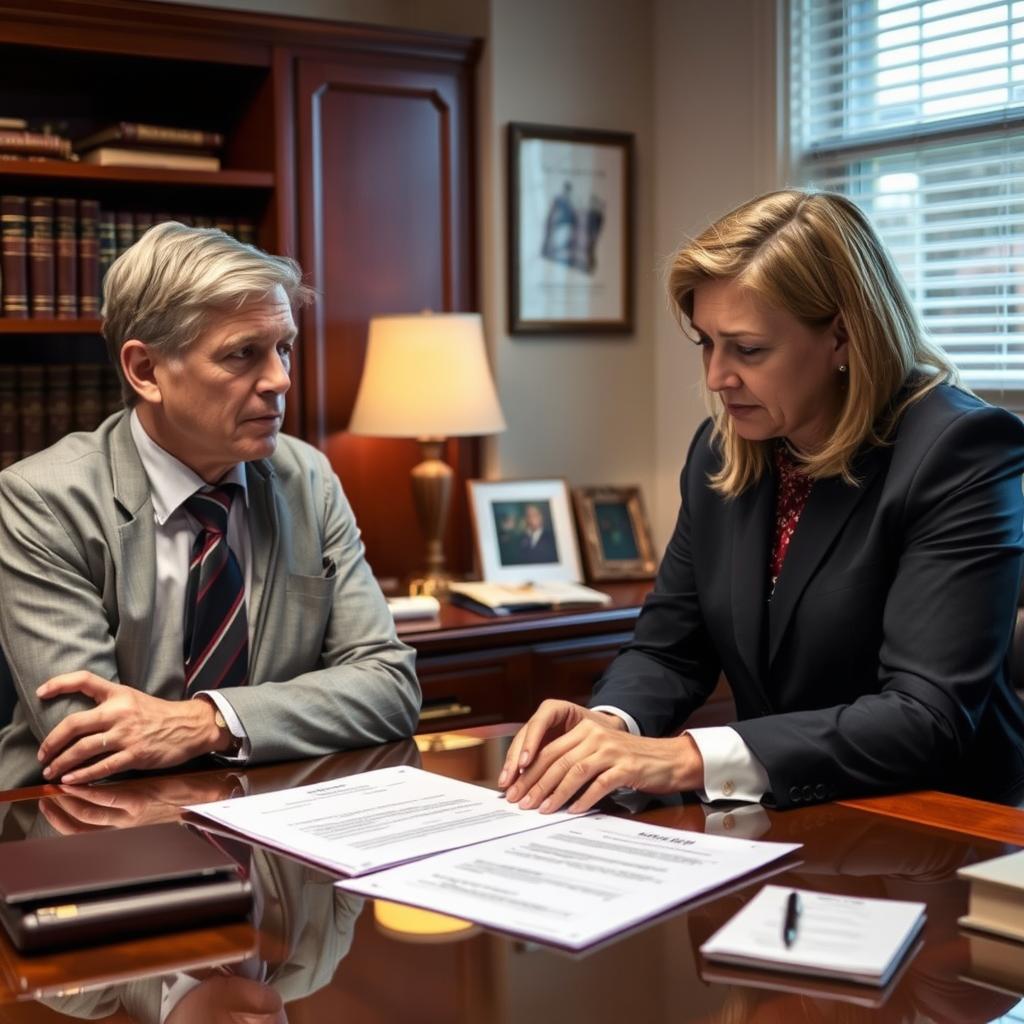
Spousal Support Lawyer James City County, VA
Spousal support—often called alimony—is one of the most significant financial issues in a Virginia divorce. In James City County, spousal support determinations are made by the James City County Circuit Court under Virginia Code § 20‑107.1. Whether you are a spouse who needs ongoing financial assistance after a separation or a party who believes support is unwarranted, the outcome can shape your financial future for years. The court weighs a range of statutory factors, including the duration of the marriage, each spouse’s earning capacity, contributions to the family’s well‑being, and the standard of living established during the marriage. Because no formula dictates the amount or duration of support, a thorough presentation of the facts is essential. Mr. Sris and the firm’s Of Counsel attorneys represent clients throughout James City County in spousal support proceedings, from initial petitions and pendente lite hearings through enforcement and modification. For a confidential consultation about your spousal support matter, call (888) 437‑7747. Law Offices Of SRIS, P.C. – Advocacy Without Borders.
What Spousal Support Means in James City County
Virginia law authorizes both temporary spousal support while a divorce is pending and final support orders entered as part of the divorce decree. In James City County, the Circuit Court at 5201 Monticello Avenue in Williamsburg handles all spousal support issues that arise in a divorce case, including equitable distribution, fault grounds, and the division of marital property. The James City County Juvenile and Domestic Relations District Court may also address support in limited circumstances, but the Circuit Court retains ultimate jurisdiction over divorce-related financial matters.
The court considers the thirteen factors enumerated in Virginia Code § 20‑107.1, such as the length of the marriage, the ages and health of the parties, the earning capacity and financial resources of each spouse, and the contributions made to the family’s wellbeing. Spousal support can take several forms: periodic payments for a defined term, a lump‑sum award, or, in rare cases, indefinite support. A court may also reserve the right to award support in the future if a reservation of jurisdiction is granted. Because the inquiry is fact‑intensive and highly discretionary, a well‑prepared case can make a substantial difference in the outcome. The firm’s attorneys are familiar with James City County court practices and work to present the financial and lifestyle evidence the court needs to make a fair decision.
How Mr. Sris and the Firm’s Of Counsel Attorneys Handle Spousal Support Cases
Every spousal support case begins with a clear understanding of the client’s financial circumstances and goals. The attorneys at Law Offices Of SRIS, P.C. Gather and organize the documents the court will review: tax returns, pay stubs, business records, retirement account statements, and evidence of the marital lifestyle. When a spouse is seeking support, the firm builds a record that shows the need and the other spouse’s ability to pay. When a client is contesting support, the focus shifts to the other party’s earning capacity and the adequacy of the property division.
Many spousal support disputes in James City County are resolved through negotiation or mediation, avoiding a contested hearing. The firm’s Of Counsel attorneys work to reach a fair settlement when possible. When a trial is necessary, Mr. Sris and the firm’s Of Counsel attorneys present the case to the Circuit Court, examining witnesses and introducing financial evidence to support the client’s position. After a final order, the firm continues to assist with enforcement or modification proceedings if circumstances substantially change. Throughout the process, the firm keeps the client informed and addresses questions about the court’s timeline and expectations.
About Mr. Sris and the Firm’s Of Counsel Attorneys
Mr. Sris is the Owner and Founder of Law Offices Of SRIS, P.C. A former prosecutor who has practiced since 1997, he is admitted in Virginia, Maryland, the District of Columbia, New Jersey, and New York. His background in criminal trial work helps him evaluate financial testimony critically and challenge evidence effectively. Mr. Sris testified before the Virginia House Courts of Justice Committee in support of 2019 HB 635 (chief patron Del. David Bulova), a bill revising Virginia’s equitable distribution statute—experience that reflects his engagement with family law legislation.
The firm’s Of Counsel attorneys, together with Mr. Sris, bring extensive combined legal experience to spousal support matters. Results may vary. Each Of Counsel attorney contracts directly with Law Offices Of SRIS, P.C. and concentrates in distinct practice areas, enabling the firm to handle a wide range of family law issues while maintaining focused attention on each client’s matter. Whether your spousal support case involves a short‑term marriage, a high‑asset estate, or a request for indefinite support, Mr. Sris and the firm’s Of Counsel attorneys are prepared to provide representation in James City County Circuit Court.
Frequently Asked Questions
How is spousal support determined in James City County?
Spousal support in James City County is decided by the Circuit Court under Virginia Code § 20‑107.1, using thirteen statutory factors. The judge evaluates evidence of each spouse’s income, earning capacity, the marital standard of living, the length of the marriage, and each party’s contributions to the family’s well‑being. No formula applies, so the outcome depends heavily on the financial record presented. The court may award support for a defined period or reserve jurisdiction for future review.
Can spousal support be modified after a Virginia divorce?
Yes, spousal support may be modified if a material change in circumstances has occurred since the last order. Common grounds for modification include a substantial change in either spouse’s income, retirement, job loss, or a change in the recipient’s needs. The party requesting the change must file a motion in the James City County Circuit Court and present evidence supporting the modification. The court has broad discretion to adjust the amount or duration.
What factors does a Virginia court consider when awarding spousal support?
The court considers thirteen statutory factors listed in Va. Code § 20‑107.1. Key factors include the length of the marriage, the ages and health of the parties, the earning capacity and financial resources of each spouse, the contributions each made to the family, and the standard of living established during the marriage. The court also examines the property division and any fault grounds related to the divorce, though spousal support is not designed to punish marital misconduct.
Do I need a lawyer for a spousal support case in James City County?
While you are not required to have an attorney, spousal support decisions involve complex financial evidence and legal standards. The court’s discretion is broad, and an experienced lawyer can help you present the financial picture that the judge needs to reach a fair outcome. Mr. Sris and the firm’s Of Counsel attorneys are familiar with James City County court practices and can guide you through the process. For a consultation, call (888) 437‑7747.
How long does a spousal support case take in James City County?
The timeline varies depending on whether the case is resolved by agreement or requires a trial. If the parties reach a settlement, a final order may be entered quickly after the required court review. Contested cases typically take longer because of discovery, potential pendente lite hearings, and the need for a trial date on the Circuit Court’s calendar. Once the divorce is final, post‑divorce enforcement or modification proceedings add additional time.
Related areas we serve:
York County Family Law Attorney |
Williamsburg Spousal Support Lawyer |
Fairfax County Family Law Attorney
Attorney advertising. Prior results do not guarantee a similar outcome. Results may vary.
Case results depend on a variety of factors unique to each case.