
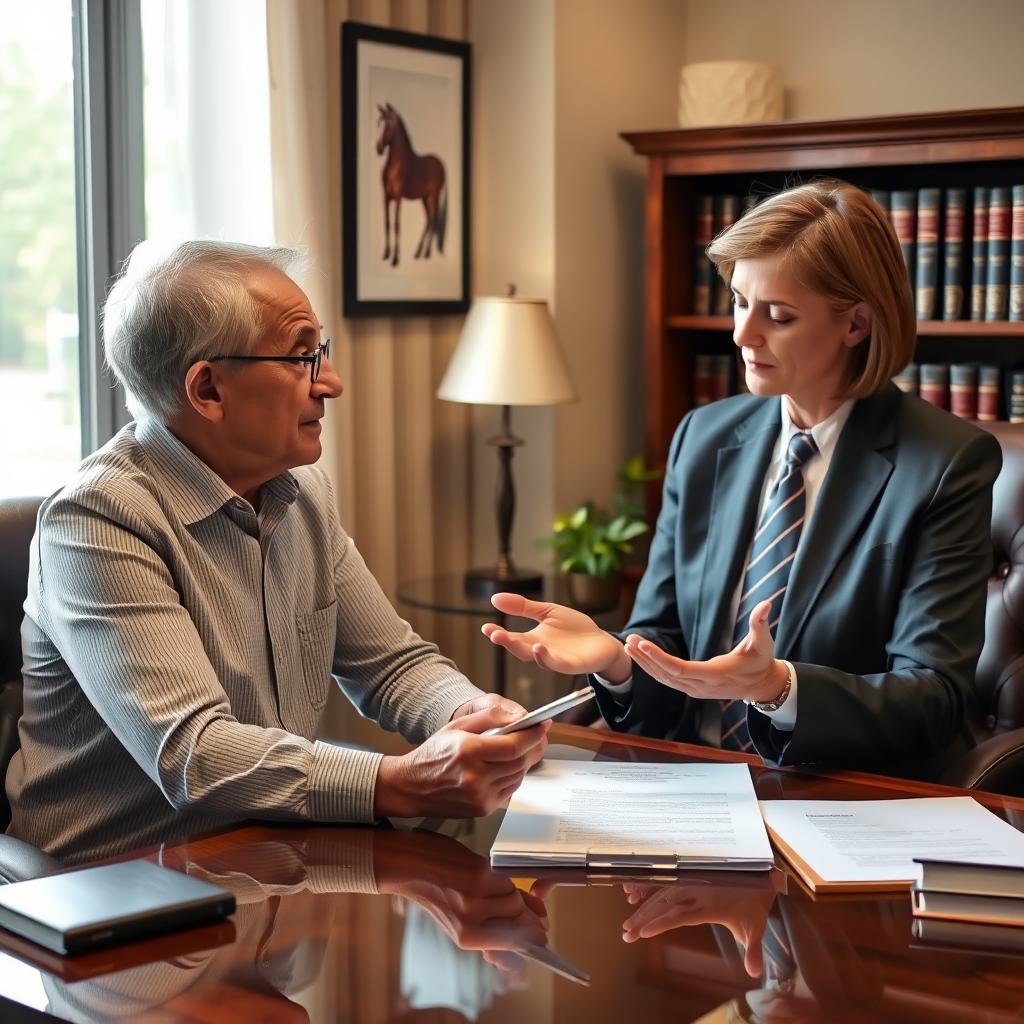
Spousal Support Lawyer Virginia, VA
Spousal support, often referred to as alimony, is a financial obligation one spouse may be ordered to pay the other during or after a divorce in Virginia. Governed by Va. Code § 20-107.1, the determination of spousal support turns on a detailed set of statutory factors and the unique financial circumstances of each marriage. Whether you are seeking support to maintain a reasonable standard of living after a long-term marriage or defending against a request you believe is unwarranted, the process demands a clear understanding of Virginia’s equitable-distribution framework. Law Offices Of SRIS, P.C., founded in 1997, concentrates its Virginia family-law practice on protecting clients’ interests in spousal support matters. Reach our Firm at (888) 437-7747 to request a consultation. Law Offices Of SRIS, P.C. – Advocacy Without Borders.
What Spousal Support Means in Virginia
In Virginia, spousal support is not an automatic entitlement nor a punishment. The Circuit Court — which has exclusive original jurisdiction over divorce proceedings under Va. Code § 20-96 — may award support only after weighing the statutory factors set out in § 20-107.1. Those thirteen factors include the duration of the marriage, the financial needs and resources of each party, the standard of living established during the marriage, the age and physical condition of the spouses, and the contributions each party made to the family’s well‑being. Courts in Fairfax, Richmond, Virginia Beach, and across the Commonwealth apply these same criteria, but local judicial practice can influence how actively certain factors are weighed.
Spousal support may be temporary — paid while the divorce is pending — or permanent, although “permanent” in Virginia generally means indefinite duration with the possibility of future modification. The court may also order rehabilitative support designed to allow a spouse to obtain education or training necessary to become self‑supporting. In all cases, the award must be just, based on the facts. Law Offices Of SRIS, P.C. represents clients seeking support as well as those obligated to pay it, working to present a complete financial picture to the court.
How Mr. Sris and the Firm’s Of Counsel Attorneys Handle Spousal Support Cases
A spousal support case begins with a careful examination of the marital balance sheet. Mr. Sris and the firm’s Of Counsel attorneys identify all sources of income, assets, and liabilities — including deferred compensation, business interests, and retirement accounts — that the court will consider. We work with forensic accountants and vocational attorneys when necessary to trace separate property and to project future earning capacity. Because Virginia is an equitable‑distribution state, the characterization of property as marital or separate often shapes the support analysis; a spouse who receives a larger share of marital assets may have a reduced need for ongoing support, and vice‑versa.
Negotiation and mediation are explored before trial. Many spousal support disputes are resolved through a comprehensive separation agreement that addresses support amount, duration, and modification terms without the need for a contested hearing. When litigation is unavoidable, the firm’s attorneys prepare thoroughly for the evidentiary hearing, presenting testimony and documents that directly address the § 20‑107.1 factors. Throughout the process, clients receive candid advice about what a Virginia court is likely to do based on the specific facts of their case. Reach our Firm at (888) 437-7747 to discuss your situation.
About Mr. Sris and the Firm’s Of Counsel Attorneys
Mr. Sris, Owner and Founder of Law Offices Of SRIS, P.C., is a former prosecutor who has practiced across Virginia, Maryland, the District of Columbia, New Jersey, and New York since 1997. He testified before the Virginia House Courts of Justice Committee in support of 2019 HB 635 (chief patron Del. David Bulova), a measure that addressed procedural aspects of equitable distribution under Va. Code § 20‑107.3(g). That legislative experience, together with decades of family‑law practice, informs his approach to spousal support matters throughout Virginia.
The firm’s Of Counsel attorneys bring extensive combined legal experience to every case. Mr. Sris and the firm’s Of Counsel attorneys have handled family‑law matters in Virginia courts ranging from the Fairfax County Circuit Court to the Richmond Circuit Court. The team’s collective background — including former prosecution, law‑enforcement, and child‑welfare experience — provides a multi‑faceted perspective on the financial and personal dynamics that drive spousal support disputes. Results may vary.
Frequently Asked Questions
What factors does a Virginia court consider when deciding spousal support?
Virginia courts weigh thirteen statutory factors under Va. Code § 20‑107.1, including the duration of the marriage, each party’s financial resources and needs, the standard of living during the marriage, and the contributions each spouse made to the family. The court also considers the age and physical condition of the parties, the earning capacity of each spouse, and any ground for divorce that caused the dissolution. No single factor is controlling; the judge balances all relevant circumstances to reach a fair award. Because the standard is equitable, the outcome depends heavily on the specific factual record presented. For guidance on building that record, reach our Firm at (888) 437-7747.
Can a spousal support order be modified after the divorce is final?
Yes, a Virginia spousal support award may be modified upon a showing of a material change in circumstances. Common grounds for modification include a substantial increase or decrease in either party’s income, involuntary job loss, serious illness, or retirement. If the parties’ separation agreement expressly states that support is non‑modifiable, a court may enforce that provision absent unconscionability. Modification petitions must be filed in the Circuit Court that entered the original decree. To discuss whether a change in your life warrants a modification request, contact Law Offices Of SRIS, P.C. at (888) 437-7747.
Do I need a lawyer for spousal support in Virginia?
Virginia law does not require you to hire an attorney, but spousal support proceedings involve complex financial disclosure, tax implications, and statutory factors that make legal guidance strongly advisable. A misstep in calculating income, failing to identify hidden assets, or misunderstanding the difference between temporary and permanent support can have long‑lasting financial consequences. Mr. Sris and the firm’s Of Counsel attorneys can explain your rights, gather necessary documentation, and present your position effectively before the court or in settlement negotiations.
How is spousal support different from child support?
Spousal support is financial assistance from one former spouse to another and is governed by Va. Code § 20‑107.1; child support is a parent’s obligation to support their children and is calculated under Virginia’s child‑support guidelines at Va. Code § 20‑108.1. Spousal support is discretionary and based on equitable factors, while child support follows a formula driven primarily by the parents’ combined gross income and the number of children. The two obligations are separate, though one can affect the other: a spousal support award may reduce the payor’s income available for child support, and vice‑versa. The same court often addresses both issues in a single divorce proceeding.
What if my spouse refuses to pay court‑ordered spousal support?
If your spouse fails to pay spousal support as ordered, you may return to the Circuit Court and file a petition for a rule to show cause, asking the judge to hold the non‑paying party in contempt. Contempt remedies include a judgment for the arrearage, wage garnishment, and in serious cases, incarceration. The court may also award attorney fees and interest on the overdue support. Because contempt proceedings move quickly and require proper notice, it is important to consult an attorney promptly when support stops. To discuss enforcement options, reach Mr. Sris at (888) 437-7747.
Is spousal support taxable in Virginia?
For divorce agreements executed after December 31, 2018, spousal support payments are no longer deductible by the payor and are not included in the recipient’s gross income for federal tax purposes. Virginia generally follows federal treatment. Support orders entered before 2019 that have not been modified may still be subject to the old tax rules unless the parties agree to apply the current law. Tax implications can significantly affect the net value of a support award and should be discussed with a tax professional and your attorney before finalizing a settlement. To understand how the tax law affects your proposed support arrangement, contact Law Offices Of SRIS, P.C. at (888) 437-7747.
Related Spousal Support Resources:
Spousal Support Lawyer Fairfax, VA |
Spousal Support Lawyer Richmond, VA |
Spousal Support Lawyer Virginia Beach, VA |
Spousal Support Lawyer Arlington, VA |
Spousal Support Lawyer Norfolk, VA
Virginia Primary Sources:
Va. Code § 20-107.1 – Spousal Support Factors |
Virginia Judicial System |
Va. Code § 20-96 – Court Jurisdiction for Divorce
Attorney advertising. Prior results do not guarantee a similar outcome. Results may vary. case results depend on a variety of factors unique to each case.
Case results depend on a variety of factors unique to each case.