
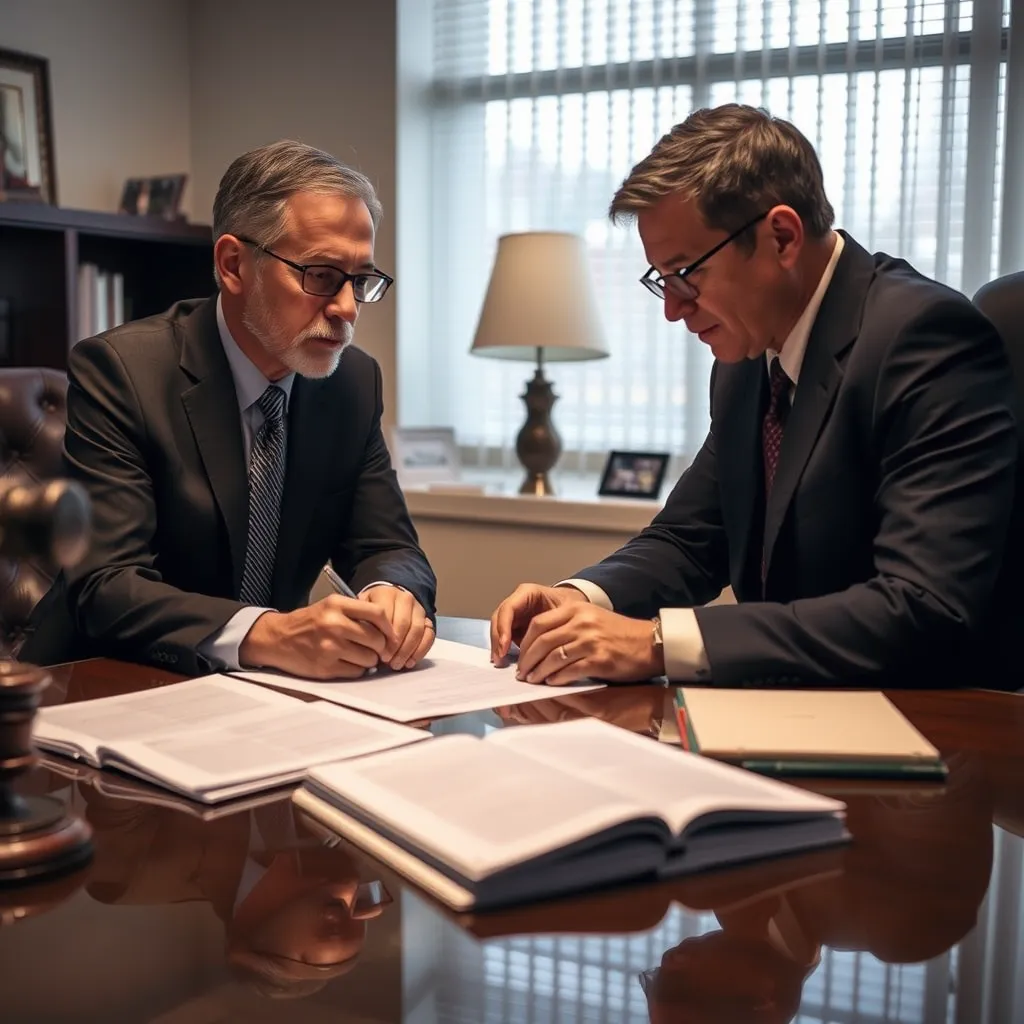
Temporary Custody Lawyer in Falls Church, VA
Temporary custody disputes are among the most emotionally charged legal matters a family can face. When parents disagree on where children should live or how visitation time should be structured in the immediate term, the pressure is immense. The temporary nature of these orders means that every filing, every hearing, and every piece of evidence is scrutinized under the lens of the child’s best interest—a standard that requires specialized legal knowledge to navigate successfully.
At Law Offices Of SRIS, P.C., we understand that securing a favorable temporary custody arrangement in Falls Church, VA, is not just about winning a hearing; it’s about establishing stability and predictability for your children. Our approach combines thorough knowledge of Virginia family law with the practical experience gained from decades of litigation across multiple jurisdictions. If you are seeking a Temporary Custody Lawyer in Falls Church, VA, who can provide strategic advocacy while maintaining a focus on your children’s welfare, our team is here to guide you through this complex process.
What Exactly Is Temporary Custody in Virginia?
Temporary custody refers to the legal arrangement regarding where a child lives and who has physical care of the child before a final, permanent custody determination is made by the court. These orders are designed to provide immediate stability while the parents work toward a long-term agreement or while the court gathers sufficient evidence to make a final ruling. In Virginia, the court’s primary focus, as always, is the “best interest of the child.”
Temporary vs. Permanent Custody
It is crucial to understand that temporary orders do not dictate the final outcome. They are interim measures. A temporary order might grant primary physical custody to one parent and supervised visitation to the other, but this arrangement can—and often will—change as circumstances change or as more evidence comes to light. Our experience allows us to advocate for arrangements that are both protective in the short term and flexible enough to adapt to future changes.
What Factors Do Virginia Judges Consider?
Virginia judges do not rely on a single factor. They consider a holistic view of the child’s life. Key factors typically include:
- Continuity and Stability: Which environment provides the most predictable routine for the child?
- Parental Capacity: Which parent can demonstrate consistent care, emotional availability, and stability?
- Safety Concerns: Any history of abuse, neglect, or substance use will be heavily weighed.
- Geographical Proximity: How close is the primary residence to the child’s school and established support network?
Understanding these factors allows us to build a case that anticipates judicial scrutiny, presenting a cohesive narrative of what is truly best for your children.
The Legal Process: What to Expect When Seeking Temporary Custody Relief
Navigating the court system during a custody dispute can feel overwhelming. The process typically involves several distinct stages, from initial filing to potential mediation or trial. Our goal is to manage this complexity for you, allowing you to focus on your family.
1. Initial Filing and Emergency Motions
If the situation is urgent—for example, if there is an immediate risk of instability or neglect—we can file emergency motions with the court. These filings are designed to get temporary orders in place quickly, often within days, to prevent further harm or confusion for the children.
2. Discovery and Evidence Gathering
This is the fact-finding stage. We work diligently to gather all relevant documentation: school records, medical reports, financial statements, and testimony from witnesses. The quality of your evidence is often more persuasive than the strength of your legal argument alone.
3. Mediation and Settlement Efforts
Most custody cases are settled through mediation before they reach a full trial. We guide you through mediation, preparing you for negotiations while ensuring that any proposed settlement remains legally sound and enforceable under Virginia law. Our goal is always to achieve the most stable, lasting agreement possible.
How Mr. Sris and the Firm’s Of Counsel Attorneys Handle Temporary Custody Cases in Falls Church
Temporary custody cases require an immediate, tactical response that balances emotional advocacy with strict adherence to procedural law. When representing clients in Falls Church, VA, our strategy begins with a comprehensive assessment of the child’s current routine and emotional needs. We do not treat this as a standard family law matter; we treat it as a crisis management situation requiring precision. Our team works to establish a clear, documented pattern of care that demonstrates stability and consistency—the two factors judges weigh most heavily.
The experience of the firm’s Of Counsel attorneys allows us to bring diverse perspectives to these sensitive cases. Whether the dispute involves complex visitation schedules, jurisdictional questions between multiple states (such as Maryland or Washington D.C.), or allegations of parental alienation, we deploy tailored strategies. We are committed to ensuring that every motion filed and every piece of evidence presented directly supports the trusted interest standard, giving our clients the strongest possible footing in securing favorable temporary custody rulings.
Furthermore, when dealing with international elements, it is critical to understand that not all countries are signatories to major conventions. For instance, India is not a signatory to the 1980 Hague Convention on Civil Aspects of International Child Abduction, which has significant implications for cross-border custody disputes.
About Mr. Sris and the Firm’s Of Counsel Attorneys
Law Offices Of SRIS, P.C. was founded on the principle of providing deeply knowledgeable, highly ethical representation in complex family law matters. Mr. Sris, Owner and Founder, brings decades of experience to every case. As a former prosecutor, he possesses an invaluable understanding of how legal arguments are constructed, how evidence is weighed by opposing counsel, and how judges interpret statutes—an insight that proves critical when navigating the high-stakes environment of temporary custody disputes.
Mr. Sris is admitted in Virginia, Maryland, the District of Columbia, New Jersey, and New York, providing our clients with a multi-jurisdictional advantage. The firm’s Of Counsel attorneys are highly specialized practitioners who augment our core team, bringing niche experience in areas ranging from interstate custody agreements to complex financial disclosures. We operate as a unified front, ensuring that whether the issue is local to Falls Church or crosses state lines, our clients receive comprehensive, authoritative counsel.
Serving the Greater Northern Virginia Area
While we are your dedicated Temporary Custody Lawyer in Falls Church, VA, we serve the entire region. If you are located nearby, you may find that Arlington family law lawyers can provide similar support, or perhaps our Manassas temporary custody lawyer location is more convenient for your needs. We are here to serve you wherever you are.
Frequently Asked Questions About Temporary Custody in Falls Church
What happens if we cannot agree on a temporary custody schedule?
If parents cannot reach an agreement, the court must step in. The judge will hold hearings to hear evidence from both sides and make a ruling based on the trusted interest standard. Our role is to present the most compelling, fact-based case possible to guide the judge toward the most stable outcome for the child.
Does temporary custody mean I lose my rights permanently?
No. Temporary orders are designed to manage the situation until a final ruling can be made. They do not strip away your parental rights. They simply dictate the parameters of care and visitation for a set period, allowing time for all parties to gather necessary information.
How quickly can I get a temporary custody hearing in Falls Church?
The speed depends on the court’s current docket and the urgency of the situation. If there is an immediate safety concern, we can file emergency motions to request an expedited hearing. However, preparation is key, and we advise starting the process as soon as possible.
Can temporary custody orders be modified later?
Yes, they absolutely can. Custody orders are not static. If there is a significant change in circumstances—such as a child starting a new school, a parent losing employment, or a change in health—you can file a motion to modify the temporary order. This requires proving that the change impacts the child’s best interest.
What evidence is most important for a temporary custody case?
The most important evidence is anything that demonstrates stability and consistency for the child. This includes school records, consistent communication logs, and testimony from teachers or caregivers who can speak to the child’s routine life outside of the conflict.
Do I need a lawyer if I just want temporary custody?
While you have the right to represent yourself, family law is highly technical. A lawyer ensures that every filing meets strict procedural requirements and that your rights are protected from opposing counsel’s tactics. Given the emotional volatility, professional representation is strongly recommended.
What if we live in a different state?
If the dispute involves multiple states (e.g., VA and MD), the Uniform Child Custody Jurisdiction and Enforcement Act (UCCJEA) governs which state has jurisdiction. Our multi-jurisdictional experience allows us to navigate these complex interstate legal hurdles to protect your rights.
What is parental alienation and how does it affect temporary custody?
Parental alienation occurs when one parent attempts to damage the child’s relationship with the other parent. If alleged, this can severely impact temporary custody rulings, as judges view it as a threat to the child’s emotional well-being and stability.
Need Help With Other Family Law Issues?
Beyond temporary custody, we handle comprehensive family law practice matters. If you are dealing with divorce, child support modification, or property division in the Falls Church area, our team can assist. For more localized help, consider contacting a Arlington temporary custody lawyer.
Take the Next Step Towards Stability
The process of securing temporary custody is stressful, but you do not have to navigate it alone. The law offices of Law Offices Of SRIS, P.C. are ready to provide immediate, strategic counsel tailored specifically to your situation in Falls Church, VA. We encourage you to reach out to our location at (888) 437-7747 to schedule a confidential consultation. Taking the first step is the most important one toward securing the stability your family deserves.
***Disclaimer: The information provided on this website is for informational purposes only and does not constitute legal advice. Every case is unique, and the outcome depends entirely on the specific facts, evidence, and the presiding judge. You must consult with an attorney licensed in your jurisdiction to discuss your particular situation.***
Case results depend on a variety of factors unique to each case.
Attorney advertising. Prior results do not guarantee a similar outcome.