
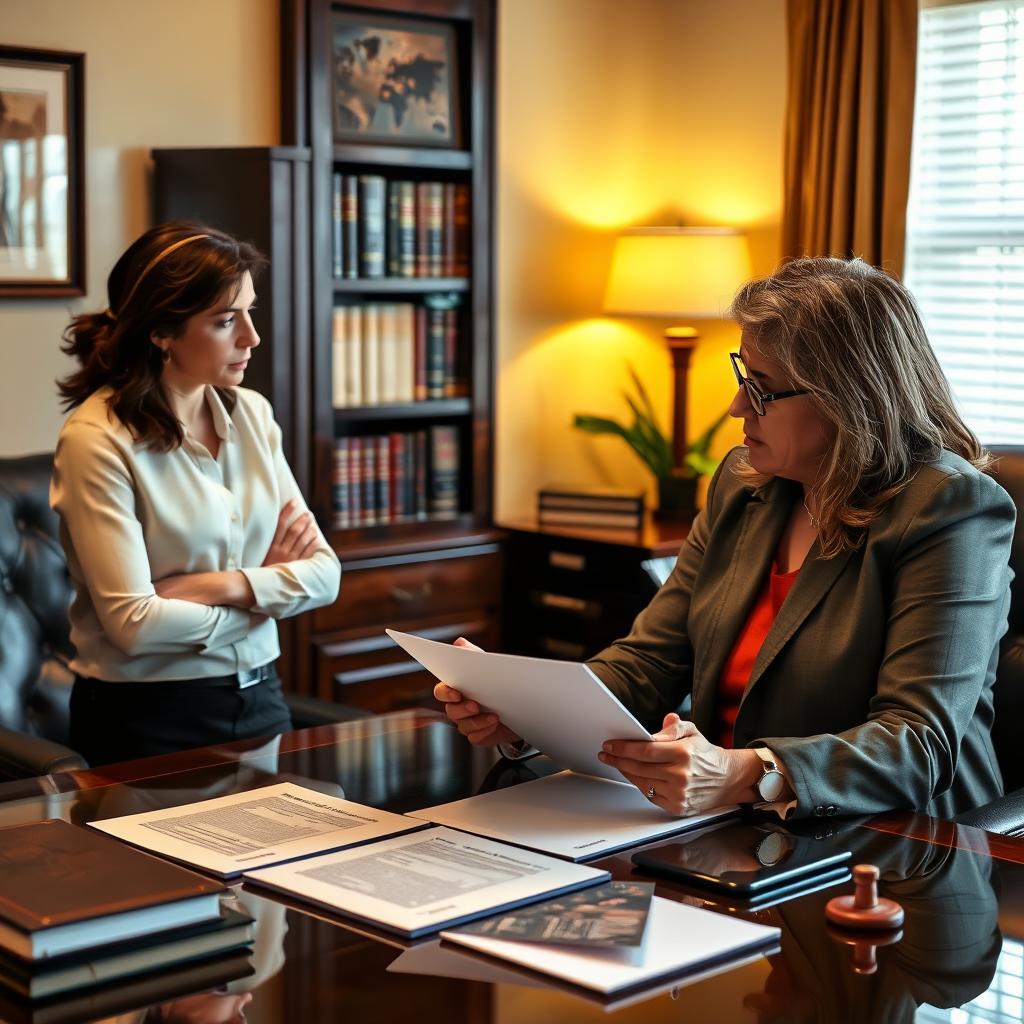
Temporary Custody Lawyer Virginia, VA
When a family situation changes suddenly—a parent’s illness, an allegation of neglect, or an emergency that makes the existing custody arrangement unsafe—a court may need to step in on an expedited basis. Temporary custody orders in Virginia answer that need. They provide a legally binding home for a child while a more permanent resolution is reached. Law Offices Of SRIS, P.C. represents parents, grandparents, and other parties in temporary custody disputes across Virginia, from the Juvenile and Domestic Relations District Courts to the Circuit Courts. Mr. Sris and his Of Counsel team have extensive experience guiding clients through the procedural requirements, the evidentiary burdens, and the fast-moving hearings that temporary custody cases demand. If you need counsel who understands how Virginia courts apply the trusted‑interests standard to urgent custody questions, reach Law Offices Of SRIS, P.C. at (888) 437-7747.
Law Offices Of SRIS, P.C. – Advocacy Without Borders.
What Temporary Custody Means in Virginia
A temporary custody order in Virginia is exactly what the name suggests: an arrangement that puts a child in the care of a designated adult for a limited period, usually until a final custody determination can be made. Under the Virginia Code, all custody decisions—temporary or permanent—are guided by the same fundamental principle: the best interests of the child. The ten statutory factors that courts must consider are set out in Va. Code § 20‑124.3. They include the age and physical condition of the child, the relationship between the child and each parent, each parent’s willingness to support the child’s relationship with the other parent, and any history of family abuse.
Temporary custody petitions frequently arise in three common scenarios. The first is a pendente lite motion filed during a divorce or separation, where the Circuit Court enters a short‑term custody order while the equitable‑distribution and final‑divorce proceedings are pending. The second is a standalone petition in the Juvenile and Domestic Relations District Court, often brought by a concerned relative or by a parent who has been denied access to the child. The third, and most urgent, is an emergency‑custody or preliminary‑protective‑order situation, where the court finds that the child’s health, safety, or welfare is at immediate risk. In all of these contexts, the court’s focus remains on stability and protection until the facts can be fully developed.
Because temporary orders are intended to preserve the status quo or to protect the child, the evidentiary standard is less demanding than at a final hearing; the court often relies on affidavits, testimony, and the recommendations of a guardian ad litem. Mr. Sris and his Of Counsel understand that a temporary order—even if labeled “temporary”—can heavily influence the final outcome, because Virginia courts strongly consider continuity and the child’s adjustment to the existing environment. That makes thorough preparation at the temporary stage indispensable.
How Mr. Sris and His Of Counsel Handle Temporary Custody Cases
Every temporary custody case begins with a detailed conversation about the immediate concerns and the long‑term goals. Mr. Sris and his Of Counsel listen carefully to understand the family dynamics, the risks that prompted the need for court intervention, and the evidence that can be presented quickly. They then map out a strategy that aligns with the Virginia best‑interests factors and the particular court where the petition will be heard—whether that is the Fairfax County Juvenile and Domestic Relations District Court, the Richmond City Circuit Court, or any other trial court across the Commonwealth.
The procedural path is straightforward but demanding. A petition or motion is filed with the appropriate court, accompanied by a notice to the opposing party. In emergency circumstances, the court may hear the matter within a short timeframe set by its own calendar. At the hearing, both sides present evidence, and the court makes a preliminary custody determination. Mr. Sris and his Of Counsel ensure that every piece of admissible evidence—from school records and medical reports to witness testimony—is organized and ready, and they cross‑examine opposing witnesses to test the factual foundation of any allegations. Because temporary custody decisions are often made on a limited record, clear, persuasive advocacy is essential.
After the temporary order is entered, the case does not end. The parties typically return to court for a final hearing, and the temporary arrangement may be modified in the interim if circumstances change. Mr. Sris and his Of Counsel continue to advise clients through each stage, working to protect the child’s well‑being and the client’s parental rights throughout the litigation.
About Mr. Sris and His Of Counsel Team
Mr. Sris, Owner and Founder of Law Offices Of SRIS, P.C., has practiced family law in Virginia since 1997. A former prosecutor, he understands how to present a compelling case in a courtroom and how to challenge evidence that is incomplete or unreliable. He is admitted to the bars of Virginia, Maryland, the District of Columbia, New Jersey, and New York, and he brings that multi‑state perspective to every custody matter. Mr. Sris testified before the Virginia House Courts of Justice Committee in support of 2019 HB 635 (chief patron Del. David Bulova).
Alongside Mr. Sris, the firm’s Of Counsel attorneys contribute deep litigation experience. Together, Mr. Sris and his Of Counsel bring over 120 years of combined legal experience and have achieved 4,739+ documented firm-wide results. Results may vary. The team approaches each temporary custody case with the full attention it deserves, preparing every hearing as though it were a final trial because they know how much rides on the court’s first impression.
Frequently Asked Questions
What is a temporary custody order in Virginia?
A temporary custody order is a short‑term court directive that places a child with a specific adult until a final custody determination can be made. Virginia courts—typically the Juvenile and Domestic Relations District Court or, when part of a divorce, the Circuit Court—issue these orders to provide stability while the case proceeds. The order defines who has legal and physical custody, visitation arrangements, and any conditions the court deems necessary for the child’s safety. Temporary orders do not permanently resolve custody; they remain in effect only until a final hearing or a further court order.
How does a Virginia court decide who gets temporary custody?
The court applies the ten statutory best‑interests factors listed in Va. Code § 20‑124.3 to decide temporary custody. The judge considers the child’s relationship with each parent, the child’s needs, each parent’s ability to meet those needs, and any history of abuse or neglect. Because the hearing is often held quickly, the court may rely heavily on affidavits, testimony, and reports from a guardian ad litem. The goal is to protect the child and maintain as much continuity as possible while the case proceeds.
How long does a temporary custody order last?
A temporary custody order lasts until the conclusion of the underlying case or until the court modifies it, which may be months or longer depending on the court’s calendar. In divorce cases, the order typically remains in place until the final divorce decree addresses custody. In standalone custody petitions, the order stays effective until a final hearing resolves the matter. If circumstances change while the temporary order is in effect, either party may request a modification.
Can a temporary custody order be changed?
Yes, a party may ask the court to modify a temporary custody order if there has been a material change in circumstances. Virginia courts recognize that the temporary arrangement may no longer serve the child’s best interests if, for example, the custodial parent’s living situation changes or new evidence of neglect emerges. A motion to modify must be supported by sufficient facts, and the court will again apply the statutory best‑interests factors. Prompt action is important, because courts are reluctant to disrupt a child’s stability without a compelling reason.
Do I need a lawyer for a temporary custody case in Virginia?
Virginia law does not require an attorney for a custody case, but the procedural rules, evidentiary burdens, and emotional stakes make experienced legal representation a practical necessity for most people. Temporary custody hearings move quickly, and a mistake in presenting evidence or responding to allegations can affect the outcome of the entire case. Mr. Sris and his Of Counsel help clients prepare the necessary documents, develop a persuasive presentation of the facts, and advocate for the child’s well‑being at every stage.
What should I bring to a consultation about temporary custody?
Bring any documents that help explain the current situation—police reports, medical records, school communications, text messages, and any existing custody or protective orders. Also bring a list of witnesses who can support your account of the circumstances. The more organized the information, the faster Mr. Sris and his Of Counsel can evaluate the strengths and weaknesses of your position and recommend a path forward. For a consultation, reach Law Offices Of SRIS, P.C. at (888) 437-7747.
Explore related pages:
Virginia Family Law Lawyer ·
Child Custody Lawyer Virginia ·
Emergency Custody Lawyer Virginia ·
Custody Modification Lawyer Virginia
India is not a signatory to the 1980 Hague Convention on Civil Aspects of International Child Abduction.
Virginia primary sources:
Virginia Code Title 20 (Domestic Relations) ·
Virginia’s Judicial System ·
Virginia State Bar
Attorney advertising. Prior results do not guarantee a similar outcome.
Case results depend on a variety of factors unique to each case.
Results may vary.