
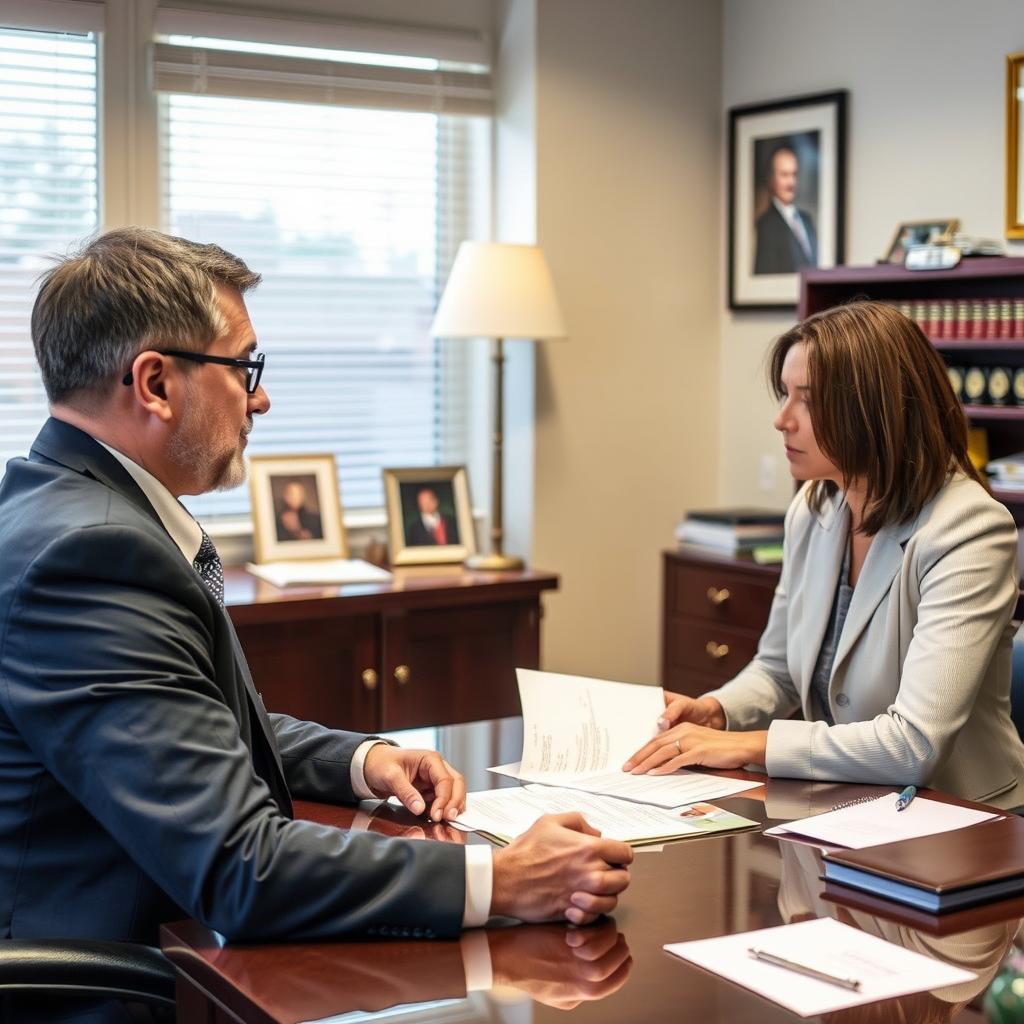
Visitation Modification Lawyer Chesterfield County, VA
For parents in Chesterfield County, an existing visitation order is never set in stone. When circumstances change—a job relocation, a child’s evolving needs, a new school schedule—the court-ordered parenting-time arrangement may no longer serve the child’s best interests. A visitation modification lawyer Chesterfield County, VA helps parents petition the court to adjust a visitation order to fit the reality of today, not the snapshot of the past. Mr. Sris, Owner and Founder of Law Offices Of SRIS, P.C., and his Of Counsel team represent parents seeking to modify visitation orders in Chesterfield County Juvenile and Domestic Relations District Court (for standalone custody and visitation matters) and Chesterfield County Circuit Court (when visitation is part of an existing divorce decree). The firm concentrates its family law practice on building fact‑driven modification petitions that focus on the child’s welfare. To discuss your situation and determine whether a modification is appropriate, reach Law Offices Of SRIS, P.C. at (888) 437‑7747. Law Offices Of SRIS, P.C. – Advocacy Without Borders.
What Visitation Modification Means in Chesterfield County
Visitation modification in Virginia is governed by the same statutory framework that determines initial custody and visitation: the court’s guiding principle is always the best interests of the child, as set out in Va. Code § 20‑124.3. To succeed on a petition to modify, a parent must demonstrate that there has been a material change in circumstances since the last order and that altering the visitation schedule would be in the child’s best interests. The change must be more than a minor inconvenience—examples can include a parent’s relocation, a substantial change in the child’s health, a safety concern, or a consistent failure to abide by the existing order.
In Chesterfield County, standalone visitation modification petitions are heard in the Chesterfield County Juvenile and Domestic Relations District Court, located at 9500 Courthouse Road, Chesterfield. If the visitation order is embedded in a divorce decree, the Chesterfield County Circuit Court retains jurisdiction over the modification. Both courts apply the same statutory best‑interests factors, but the procedural path can differ. Mr. Sris and his Of Counsel team appear regularly in both courts, handling matters from initial petition through evidentiary hearing. Because Virginia Code Title 20 requires the party seeking modification to carry the burden of proof, a well‑prepared case is critical—submitting supporting documentation, identifying witnesses, and framing the relief in terms the court can practically order.
How Mr. Sris and His Of Counsel Handle Visitation Modification Cases
Every visitation modification case begins with a thorough review of the existing order and the facts that have changed since it was entered. Mr. Sris and his Of Counsel team evaluate whether the change is material enough to justify a modification, gather evidence that supports the parent’s position, and, where possible, negotiate a revised schedule with the other parent. A negotiated agreement presented to the court as a consent order often resolves the matter more efficiently and with less stress for the family. When negotiation is not possible, the team prepares for an evidentiary hearing, marshaling witness testimony, school records, work schedules, and any relevant communications that illustrate the changed circumstances and the child’s current needs.
The firm’s approach is anchored in the reality of Virginia procedure. Under Va. Code § 20‑124.3, the court considers ten factors, including the child’s relationship with each parent, each parent’s willingness to support the other parent’s relationship with the child, and any history of family abuse. Mr. Sris and his Of Counsel develop the record on each factor that supports the requested modification, while also addressing any contentions from the opposing side. Throughout the process, the focus remains on what serves the child—not on litigating past grievances. The firm does not promise a particular result; prior outcomes do not guarantee a similar result The outcome in any case depends on the specific evidence presented, the judge’s assessment, and the unique circumstances of the family.
About Mr. Sris and His Of Counsel Team
Mr. Sris, Owner and Founder of Law Offices Of SRIS, P.C., founded the firm in 1997 and concentrates his practice on family law, including visitation modification matters. He is a former prosecutor whose trial experience informs his approach in the courtroom. Mr. Sris testified before the Virginia House Courts of Justice Committee in support of 2019 HB 635 (chief patron Del. David Bulova), a bill that addressed equitable distribution procedures in Virginia divorce. He is admitted in Virginia, Maryland, the District of Columbia, New Jersey, and New York, and he represents clients across all five jurisdictions.
Mr. Sris and his Of Counsel bring extensive combined legal experience to family law matters in Chesterfield County. The Of Counsel attorneys are engaged through Excella and each contributes a distinct background—family law, litigation, and courtroom practice—to the team. The firm has a Richmond Location that serves clients in Chesterfield County and the surrounding area. Consultations are by appointment. To request a consultation, call (888) 437‑7747.
Frequently Asked Questions
What is visitation modification in Virginia?
Visitation modification is the legal process of asking a Virginia court to change an existing court-ordered visitation schedule because of a material change in circumstances. The change must be both material and adverse to the child’s best interests under the factors in Va. Code § 20‑124.3. Either parent may petition the court that entered the original order. The process may be resolved by agreement or contested at an evidentiary hearing. An experienced family law attorney can help you decide whether the facts support a modification and can prepare the petition and supporting evidence.
How does the court decide whether to change a visitation order?
The court applies a two‑step test: first, whether there has been a material change in circumstances since the last order; second, whether a modification would be in the child’s best interests under the ten factors in Va. Code § 20‑124.3. The parent requesting the change bears the burden of proof on both steps. Evidence can include testimony, school records, text messages, work schedules, and testimony from witnesses who can describe how the current schedule harms the child. The court has broad discretion to adjust the frequency, duration, or type of visitation.
Can visitation be modified without going to court in Chesterfield County?
Yes—if both parents agree on the new schedule and submit a consent order to the court, a hearing may not be necessary. The Chesterfield County Juvenile and Domestic Relations District Court or the Circuit Court reviews the proposed consent order to ensure it serves the child’s best interests. When parents can negotiate an agreement through counsel, the process is typically faster and less stressful. If you cannot reach agreement, your attorney can file a motion and present your case at a hearing.
What factors does the court consider in a visitation modification?
The court weighs the same best‑interests factors used for initial custody, including the child’s age, physical and mental condition, the relationship with each parent, each parent’s willingness to support the other’s relationship with the child, any history of abuse, and the child’s own preference if of suitable age and maturity. Additionally, the court will scrutinize the reason for the requested change. A minor disagreement is not enough; the change must be significant enough to warrant altering a settled arrangement. A lawyer can help you identify which factors are strongest in your case.
Do I need a lawyer for a visitation modification in Chesterfield County?
You are not required to have a lawyer, but an experienced family law attorney can significantly improve your ability to present a persuasive case. Modification petitions are fact‑intensive; you must show a material change in circumstances and that the modification serves the child’s best interests. An attorney who appears regularly in Chesterfield County courts understands what judges will find persuasive and can gather and present evidence effectively. To discuss your situation, reach Law Offices Of SRIS, P.C. at (888) 437‑7747.
How can I file for a visitation modification in Chesterfield County?
You file a petition in the court that issued the original visitation order—the Chesterfield County Juvenile and Domestic Relations District Court for a standalone order, or the Chesterfield County Circuit Court if visitation is part of a divorce decree. The petition must describe the existing order, the material change in circumstances, and the new schedule you are requesting. Procedural rules require service on the other parent, and the court will set a hearing date. Consult an attorney to ensure your petition is properly prepared and that you meet all procedural requirements.
Related family law pages:
Henrico County family law lawyer
Hanover County family law lawyer
Fairfax County family law lawyer
Virginia legal resources:
Virginia Code Title 20 (Domestic Relations)
Virginia Judicial System
Attorney advertising. Prior results do not guarantee a similar outcome. Results may vary. Law Offices Of SRIS, P.C., serving clients in Virginia, Maryland, the District of Columbia, New Jersey, and New York. All consultations by appointment; call (888) 437‑7747.
Case results depend on a variety of factors unique to each case.
Attorney advertising. Prior results do not guarantee a similar outcome.